
 EN
 ar
 bg
 hr
 cs
 da
 nl
 fi
 fr
 de
 el
 hi
 it
 ko
 no
 pl
 pt
 ro
 ru
 es
 sv
 tl
 iw
 id
 lv
 lt
 sr
 sk
 sl
 uk
 vi
 et
 hu
 th
 tr
 fa
 ms
 hy
 ka
 ur
 bn
 mn
 ta
 kk
 uz
 ku

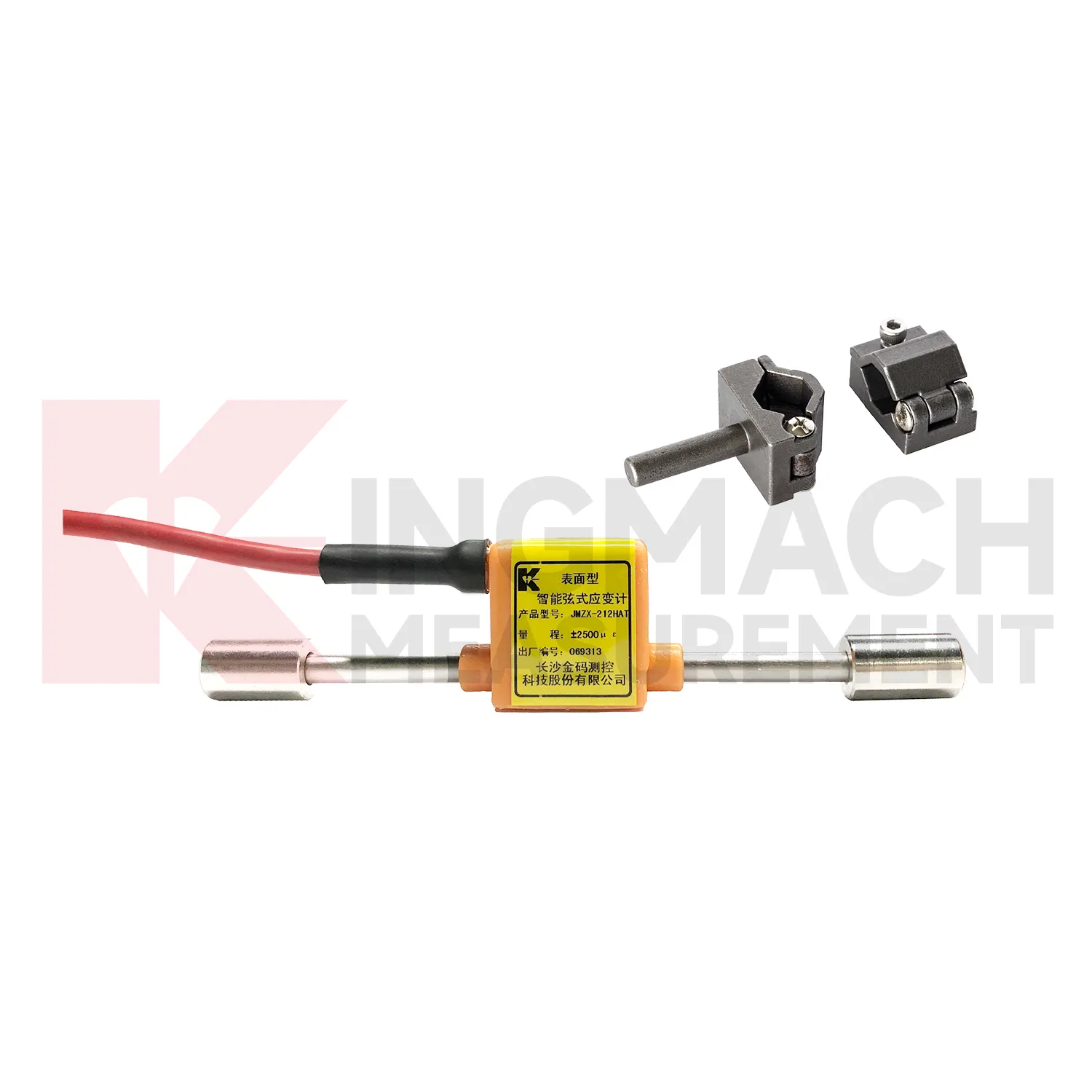
Smart vibrating wire strain gauge (surface model)
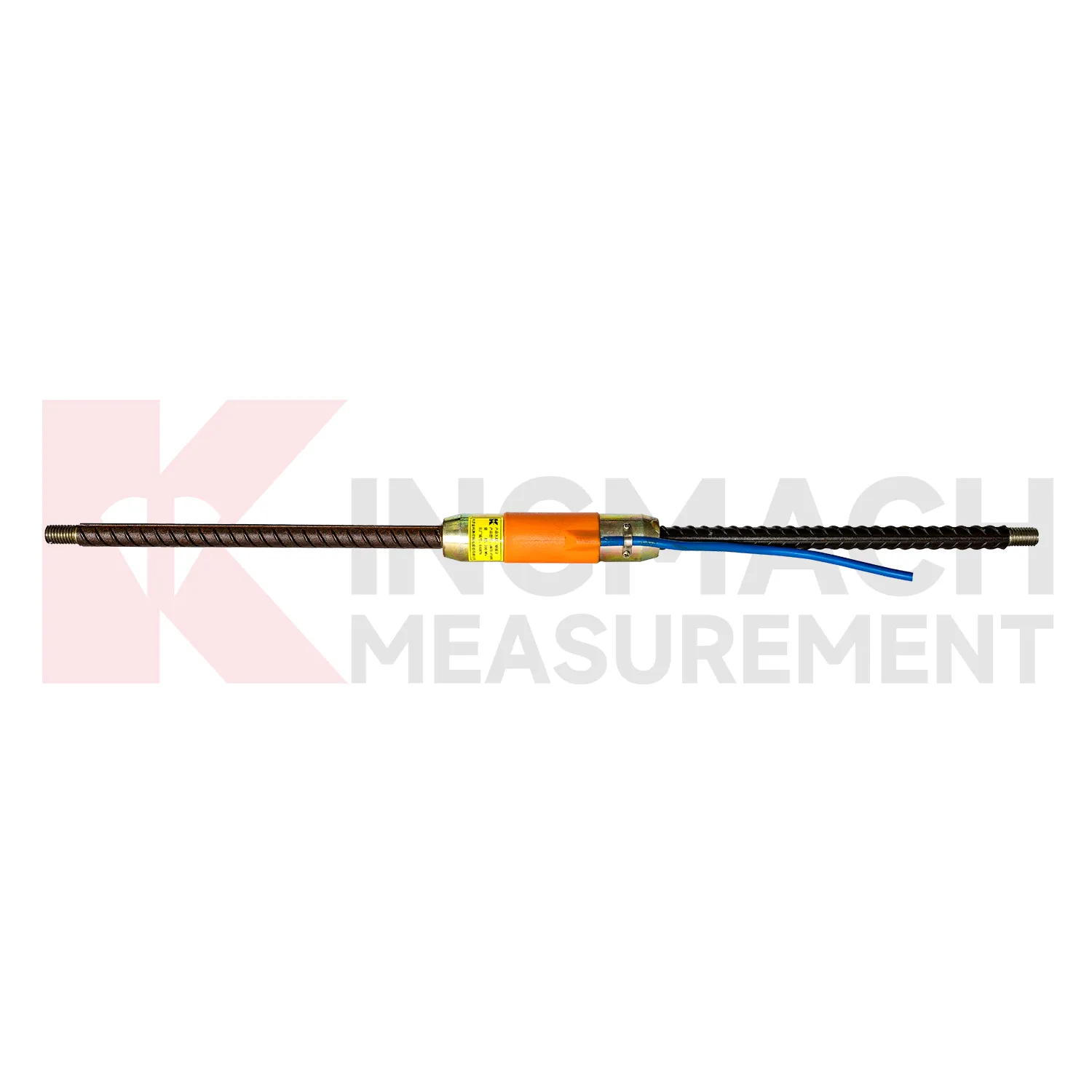
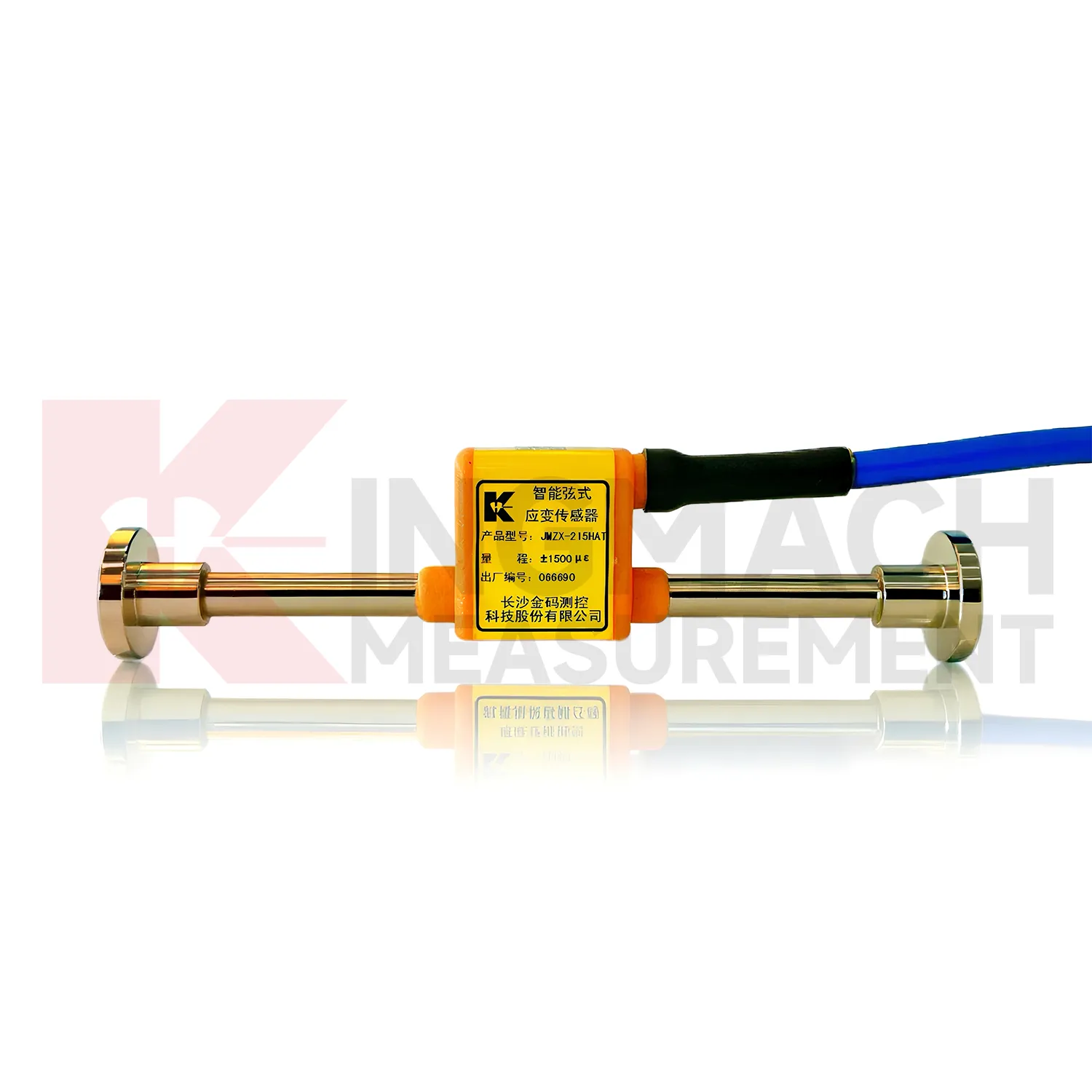
Kingmach {keyword} supports both manual inspection workflows and unattended monitoring. With a comprehensive readout unit, engineers can view physical values or vibrating wire frequency directly on site. With automated acquisition, the same monitoring point can be read regularly without a person standing beside it. This is useful for bridges with heavy traffic, tunnels with limited access, dams with long service periods, and foundations where embedded sensors cannot be reached after construction. Product details such as 0.1 microstrain resolution, 0.5%F.S. accuracy, sealed stainless steel housings, and optional temperature correction help keep the measurements usable. The company also lists delivery, warranty, and product support information, which matters to procurement teams planning long term monitoring projects rather than one time testing. The technical data also helps purchasing teams ask better questions. Instead of comparing only unit price, they can check whether the selected model supports the required range, resolution, waterproofing, delivery schedule, readout method, and long term monitoring plan. They also help the owner decide whether manual reading, scheduled logging, or unattended monitoring is the better operating method. A clear specification record reduces confusion when the same project uses surface, embedded, welded, and rebar based instruments together. That is why model data, calibration values, and channel labels should travel with the product from procurement to commissioning.
Application of Smart vibrating wire strain gauge (surface model)
In dam and hydraulic structure monitoring, {keyword} supports strain observation in concrete blocks, galleries, spillways, anchors, reinforcement, and steel components affected by water pressure and temperature cycles. The project pain points are long service life, seepage influence, thermal movement, concrete creep, and limited access after construction. Kingmach embedded gauges can be placed before concrete pouring and provide ±1500 microstrain range, 0.5%F.S. precision, and waterproof durability up to 150 meters. Surface gauges also include temperature measurement versions, with -40℃ to +120℃ thermometer range and ±0.5℃ accuracy. In dam safety monitoring, strain readings can be reviewed with water level, seepage, displacement, and temperature data. This helps owners identify whether structural stress is following normal seasonal behavior or moving toward a risk condition. For general product use, the same equipment can serve several structures when the range, waterproof rating, and installation method match the monitoring point. For field use, the strain point should be named, mapped, protected, and reviewed with nearby sensors before any alarm is judged. The same record can support staged construction control, post event inspection, and long term maintenance planning.
The future of Smart vibrating wire strain gauge (surface model)
Standards and owner requirements are pushing {keyword} toward more traceable monitoring records. Kingmach strain gauge products reference standards such as GB/T 13606-2007, GBT 3408.2-2008, DL/T 1044-2022, SL 363-2006, and DL/T 1136-2022 across related models. As structural health monitoring specifications become more data driven, buyers will care more about calibration records, sensor identity, installation photos, channel naming, and long term data export. Digital twins will also need measured strain inputs that are consistent and time stamped. In that environment, the sensor is no longer just a component on a structure. It becomes a documented data source within a larger asset management record. As standards ask for more traceable structural monitoring, calibration data, model numbers, channel maps, and installation records will become part of the product value, not paperwork afterthoughts. It also makes sensor data easier to use in owner reports and maintenance meetings. The strongest gains will come from cleaner records and faster fault checks.
Care & Maintenance of Smart vibrating wire strain gauge (surface model)
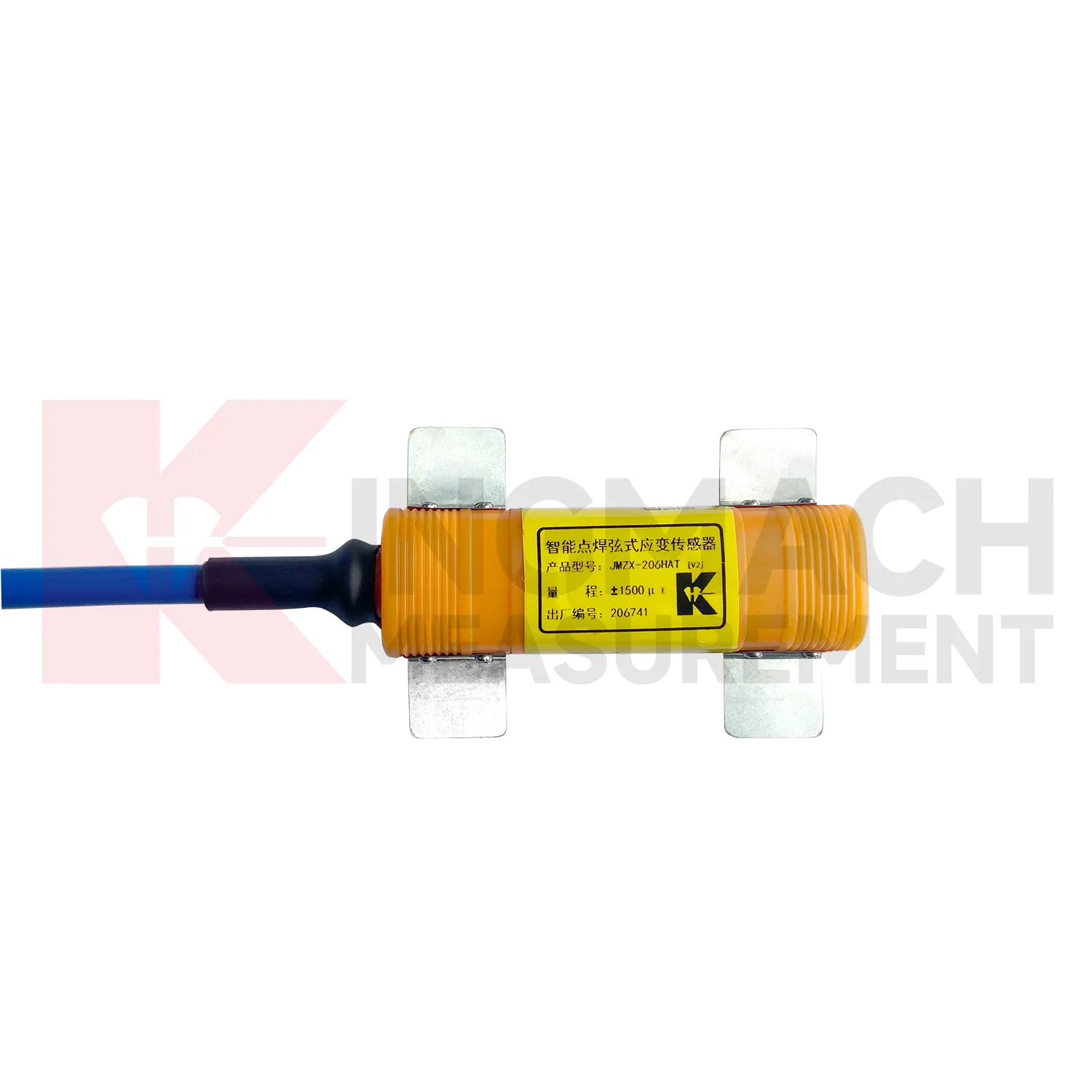
For welded {keyword}, installation quality controls later maintenance effort. The JMZX-206HAT model uses spot welding on a polished 10 x 80 mm flat surface, and the low height design helps reduce strain errors caused by bending deformation. Before installation, remove rust, coating, oil, and uneven surface marks from the welding area. After welding, protect the sensor and cable from impact, grinding, repainting, and heat during nearby work. During operation, inspect the welded area for corrosion, loosened protection, cable strain, and damage after repair activities. The model's -1500 to +2500 microstrain range and 0.1 microstrain resolution can provide useful data only when the welded connection remains stable. For long term contracts, owners should define who reviews baseline drift, who approves recalibration, and who records construction events that may explain unusual strain movement. Replace damaged protection before water reaches the connection. Compare suspicious readings with nearby channels before repair decisions. Keep these checks in the project log.
Kingmach Smart vibrating wire strain gauge (surface model)
For steel structures, {keyword} gives engineers a direct way to watch stress behavior on beams, pipes, braces, trusses, towers, and bridge members. Kingmach's surface and surface welded strain gauge models are designed for exposed steel or concrete surfaces, with the JMZX-206HAT model using spot welding on a polished 10 x 80 mm flat area. This kind of installation can be useful when adhesive bonding is not preferred or when long term steel monitoring is required. Once connected to acquisition equipment, the strain record can reveal bending response, support force variation, fatigue trends, or stress redistribution after repair work. The same approach supports a complete measurement chain, from the sensing point to protected cabling, acquisition hardware, stored records, and engineering review. The same data can guide inspection notes and repair timing. Site records matter. That field record supports later inspection. It also gives engineers a cleaner baseline for later comparison.
FAQ
Q: What is the difference between surface and embedded {keyword}?
A: Surface models read strain on accessible concrete or steel surfaces, while embedded models are tied to rebar or brackets before concrete is poured.
Q: What is the difference between welded gauges and bonded gauges?
A: Welded gauges are fixed to prepared steel by spot welding, which can be more suitable for long term steel structure monitoring in some field conditions.
Q: Why use a vibrating wire design?
A: Vibrating wire signals can transmit over long distances with strong anti interference performance, which suits civil infrastructure monitoring.
Q: What does 0.1 microstrain resolution mean?
A: It means the instrument can distinguish very small strain changes, provided installation, cabling, acquisition, and environmental correction are handled correctly.
Q: Can it be used with digital platforms?
A: Yes. Strain readings can be sent through acquisition hardware to monitoring platforms for trend review, alarms, and comparison with other sensor data.
Reviews
Daniel Brown
Excellent environmental monitoring sensors. The data is consistent, and the system integrates smoothly with our existing setup.
Joshua Clark
We ordered a full monitoring solution including sensors and data loggers. Everything works seamlessly together. Great supplier!
Latest Inquiries
To protect the privacy of our buyers, only public service email domains like Gmail, Yahoo, and MSN will be displayed. Additionally, only a limited portion of the inquiry content will be shown.
Emma***@gmail.comCanada
Dear Sir/Madam, we are interested in displacement transducers and settlement sensors for a geotechni...
Isabella***@gmail.comGermany
Hello, we are evaluating weir flow meters for a water management project. Please share accuracy deta...
Related product categories
- pressure strain gauge sensor
- strain gauge applications
- application of strain gauge in engineering
- strain gauge uses
- strain gauge weight measurement
- strain sensor applications
- strain gauge force sensors
- measurement of strain using strain gauge
- measuring strain with strain gauges
- force measurement using strain gauge
- high precision strain gauge sensor
- strain gauge high temperature force sensors