
 EN
EN
 ar
ar bg
bg hr
hr cs
cs da
da nl
nl fi
fi fr
fr de
de el
el hi
hi it
it ko
ko no
no pl
pl pt
pt ro
ro ru
ru es
es sv
sv tl
tl iw
iw id
id lv
lv lt
lt sr
sr sk
sk sl
sl uk
uk vi
vi et
et hu
hu th
th tr
tr fa
fa ms
ms hy
hy ka
ka ur
ur bn
bn mn
mn ta
ta kk
kk uz
uz ku
ku
VW strain gauges
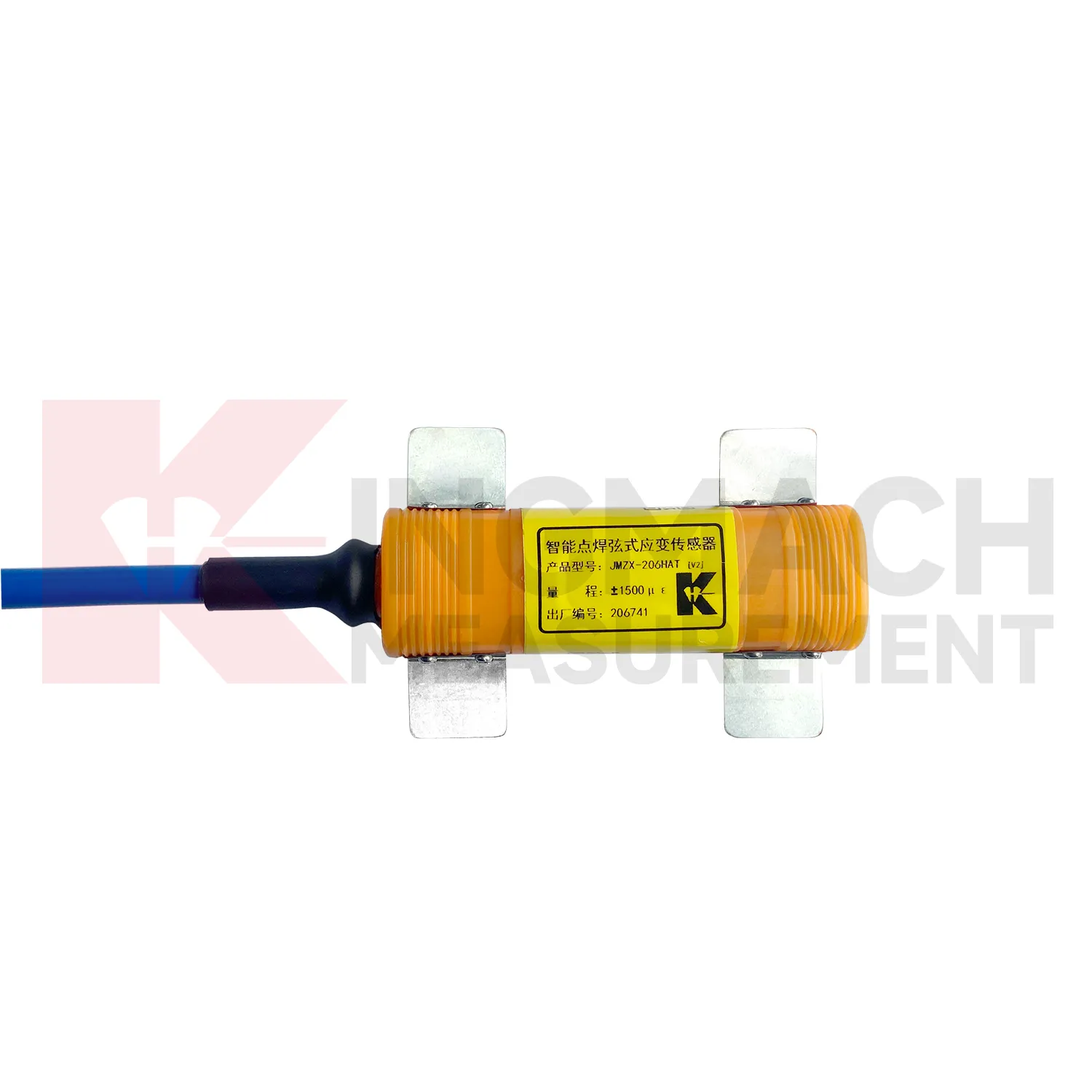
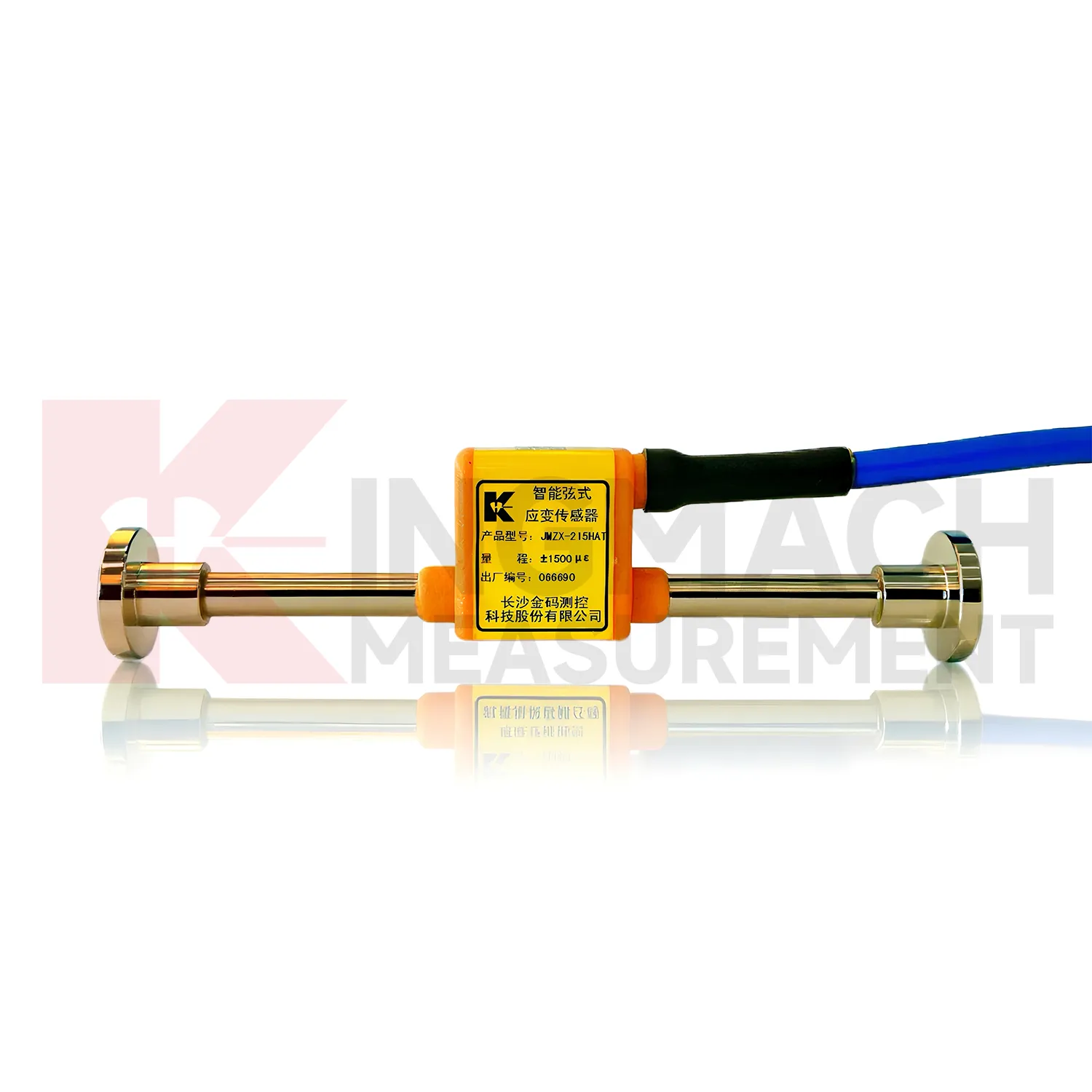
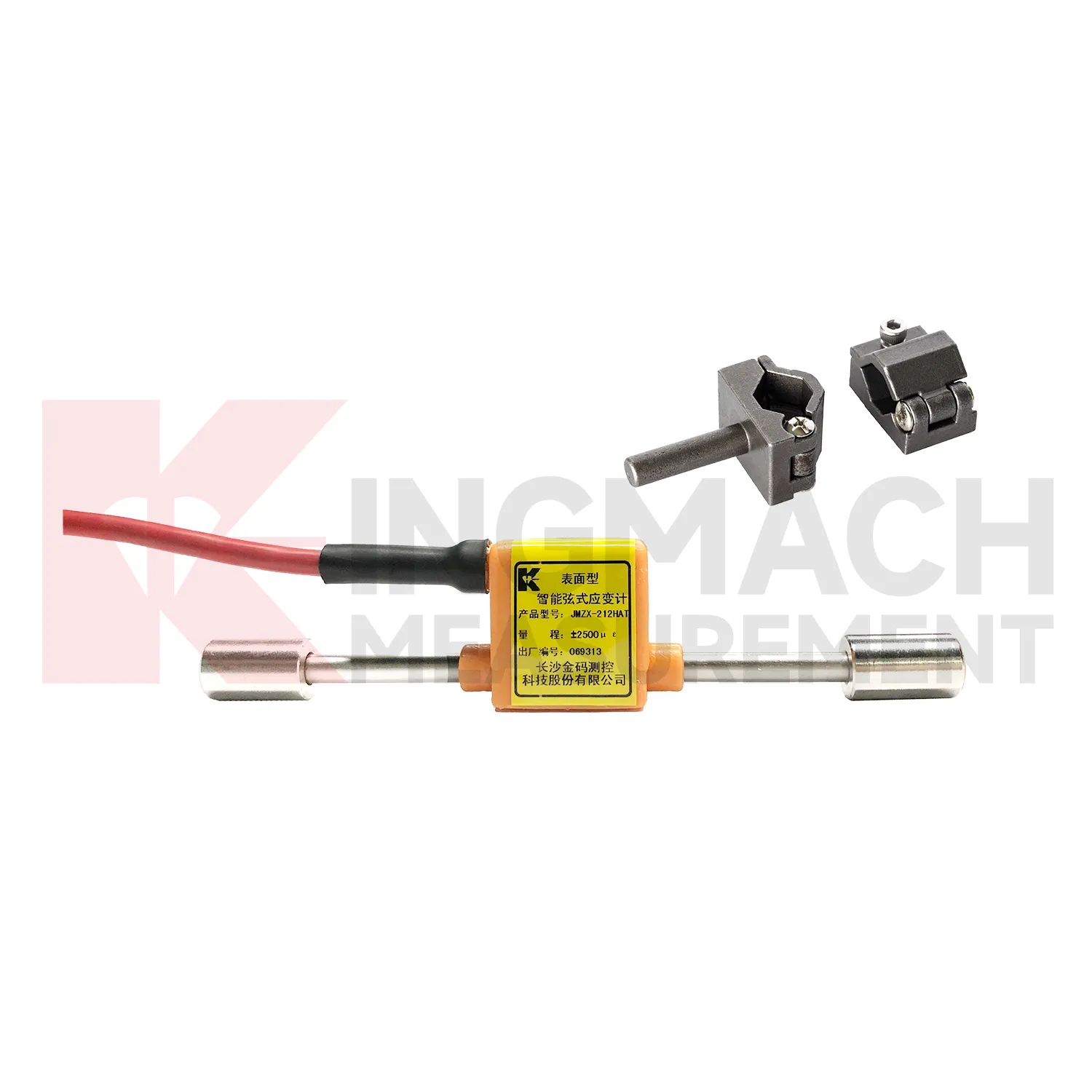
Kingmach {keyword} is built around vibrating wire measurement, a method widely used in long term civil engineering monitoring because frequency signals can travel over distance with good resistance to interference. In the JMZX strain gauge range, pulse excitation supports fast testing and stable steel wire vibration. The surface and embedded models both use sealed stainless steel structures and waterproof designs rated to 150 meters, while temperature versions measure the monitoring point temperature for correction. The JMZX-212HAT/HB surface model has a 129 mm gauge length, and the JMZX-215HA/215HAT/HB embedded model has a 146 mm gauge length. For steel structures, the JMZX-206HAT welded model adds digital detection and onboard storage of calibration coefficients. These details make the product group useful for bridges, dams, tunnels, rail systems, foundations, and other structures where readings must stay meaningful over many operating cycles. For long term structural health monitoring, the combination of vibrating wire output, waterproof construction, temperature correction, and automated acquisition compatibility is more important than a short feature list. It affects whether the data remains usable after seasons of field exposure. That is why model data, calibration values, and channel labels should travel with the product from procurement to commissioning. For field teams, those details also shape installation tools, spare cable length, readout selection, and protection work.
Application of VW strain gauges
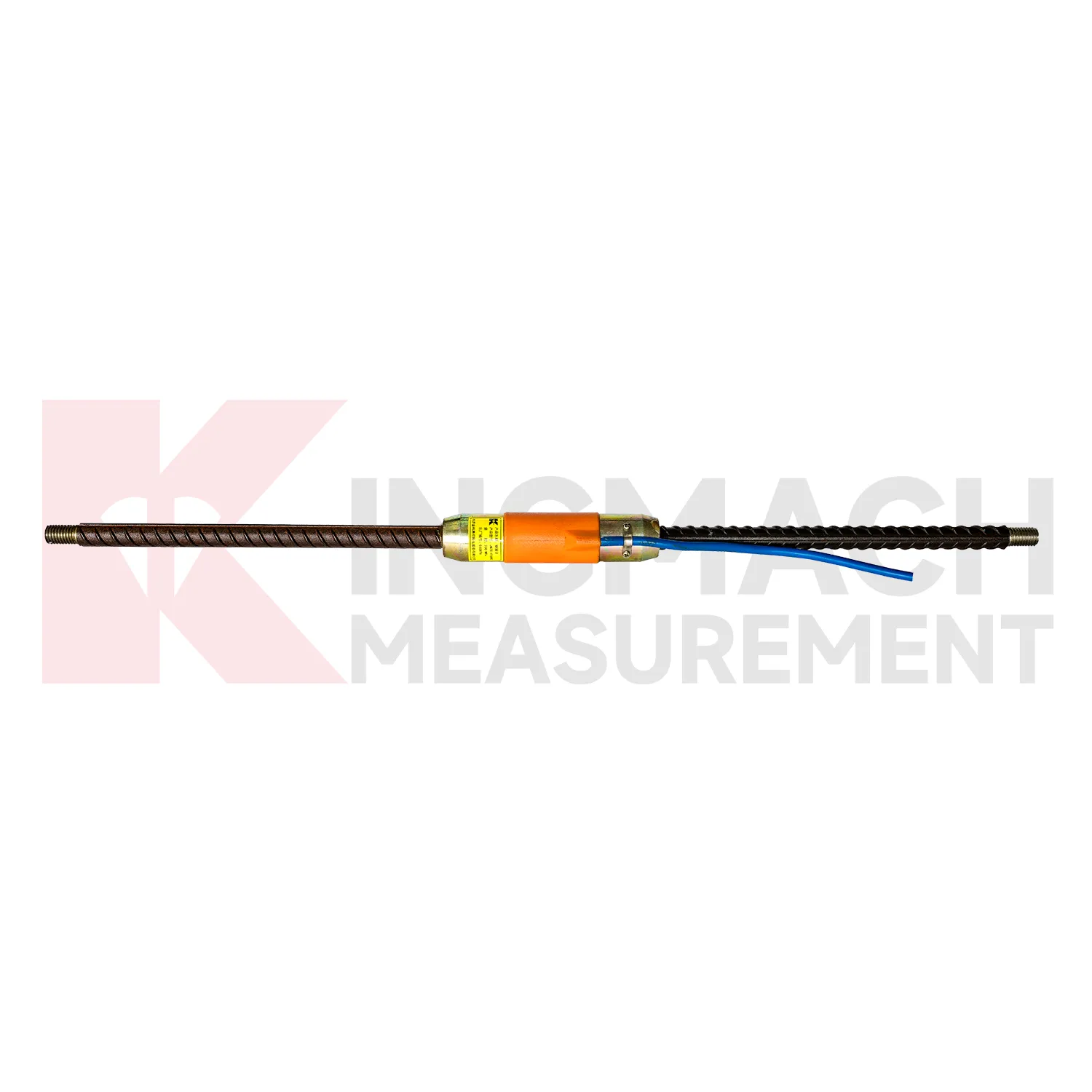
For slope, retaining wall, and foundation pit monitoring, {keyword} can be used on anchor rods, steel braces, retaining piles, reinforcement cages, or concrete support structures. These projects need early warning on stress redistribution, crack extension, support overload, and ground movement effects. Kingmach JMZX-4XXHAT/HB rebar strainmeters measure reinforcement stress across -200 MPa to 350 MPa with 0.1 MPa sensitivity and 0.5%F.S. accuracy, while the waterproof structure reaches 2 MPa. That makes the product suitable for buried or wet reinforced concrete members where ordinary surface checks are not enough. In deep excavation, strain data can be reviewed with displacement meters, tiltmeters, settlement sensors, and water level data. The combined record helps engineers decide whether support members are carrying load safely during each construction stage. Kingmach systems can pair the strain point with automated acquisition, which reduces manual reading work in locations that are dangerous, remote, or disruptive to access. That is often the difference between occasional checks and a useful monitoring record. When data is collected automatically, engineers can compare daily movement instead of relying on occasional manual readings. This gives the project team a better way to separate normal behavior from a change that needs inspection.
The future of VW strain gauges
In building and underground projects, {keyword} will become more closely tied to construction stage control. Excavation, concrete pouring, temporary support removal, and equipment installation all change strain behavior. Kingmach embedded gauges, rebar strainmeters, and welded gauges can feed readings into automated systems during each stage. Future platforms may connect those readings with BIM models or digital twin views, so engineers can see which member, brace, lining, or reinforcement cage is changing. This is where AI warning analysis can help, provided it uses site events and nearby sensor data rather than a blind alarm threshold. The product direction is clear: more context, better records, and faster field decisions. Digital twin adoption will also increase demand for strain readings that are tied to exact structural locations, not vague channel names or disconnected spreadsheets. The strongest gains will come from cleaner records and faster fault checks. Those improvements fit long term infrastructure monitoring better than one time testing.
Care & Maintenance of VW strain gauges
Waterproofing needs regular attention when {keyword} is used in tunnels, dams, foundations, slopes, and buried reinforced concrete. Kingmach surface and embedded vibrating wire models use fully sealed stainless steel structures with waterproof performance up to 150 meters, while JMZX-4XXHAT/HB rebar strainmeters provide 2 MPa waterproof performance. These ratings help, but they do not remove the need for field checks. During installation, seal transitions, protect cable exits, and keep connectors above standing water when possible. During operation, inspect for damaged jackets, loose conduit, corrosion, mud blockage, and water paths along cables. If readings become unstable after rainfall, excavation, or repair work, check the cable and junction route before replacing the sensor. For procurement teams, these maintenance details should be reviewed before ordering cables, protective accessories, readouts, and acquisition cabinets, not after the first unstable reading appears. Replace damaged protection before water reaches the connection. Compare suspicious readings with nearby channels before repair decisions.
Kingmach VW strain gauges
{keyword}can support both short term tests and permanent monitoring. During load testing, it helps confirm whether a beam, pile, support member, or force element responds as expected under controlled loading. During operation, it tracks strain changes caused by traffic, water pressure, ground movement, wind load, or equipment vibration. Kingmach's field experience across bridges, dams, tunnels, rail stations, slopes, and buildings makes the product group relevant to civil infrastructure rather than clean bench testing only. The best use begins with a clear measurement point, proper installation, protected cabling, and a data logger or platform that keeps the readings traceable. That makes the product information useful for surface gauges, embedded gauges, welded gauges, and rebar strainmeters without losing technical sense. That field record supports later inspection. It also gives engineers a cleaner baseline for later comparison. The same data can guide inspection notes and repair timing. Site records matter.
FAQ
Q: How should {keyword} be maintained?
A: Inspect the sensor protection, cable route, junction boxes, seals, channel labels, and baseline trends. Compare readings with temperature and nearby sensors before judging an alarm.
Q: How often should calibration be checked?
A: Follow project requirements and review calibration before load tests, major construction stages, repair work, or when readings drift without a clear site reason.
Q: What causes unstable readings?
A: Common causes include loose wiring, water entry, damaged cable jackets, poor grounding, surface debonding, weak welds, wrong acquisition settings, and real structural movement.
Q: Can the sensor be replaced after embedment?
A: Usually not without structural work, so embedded gauges need careful installation, cable protection, and documentation before concrete is poured.
Q: What records should be kept?
A: Keep model, serial number, calibration coefficients, location, installation photos, cable route, channel name, baseline readings, and maintenance notes.
Reviews
Joshua Clark
We ordered a full monitoring solution including sensors and data loggers. Everything works seamlessly together. Great supplier!
Andrew Lee
The visualization software is intuitive and powerful. It helps us analyze monitoring data efficiently.
Latest Inquiries
To protect the privacy of our buyers, only public service email domains like Gmail, Yahoo, and MSN will be displayed. Additionally, only a limited portion of the inquiry content will be shown.
Charlotte***@gmail.comUnited Arab Emirates
Hi, we require instrumentation cables suitable for harsh environments. Could you advise on specifica...
Evelyn***@gmail.comSouth Africa
Hi, we are a contractor working on tunnel construction and need settlement sensors and displacement ...