
 EN
EN
 ar
ar bg
bg hr
hr cs
cs da
da nl
nl fi
fi fr
fr de
de el
el hi
hi it
it ko
ko no
no pl
pl pt
pt ro
ro ru
ru es
es sv
sv tl
tl iw
iw id
id lv
lv lt
lt sr
sr sk
sk sl
sl uk
uk vi
vi et
et hu
hu th
th tr
tr fa
fa ms
ms hy
hy ka
ka ur
ur bn
bn mn
mn ta
ta kk
kk uz
uz ku
ku
pressure data loggers
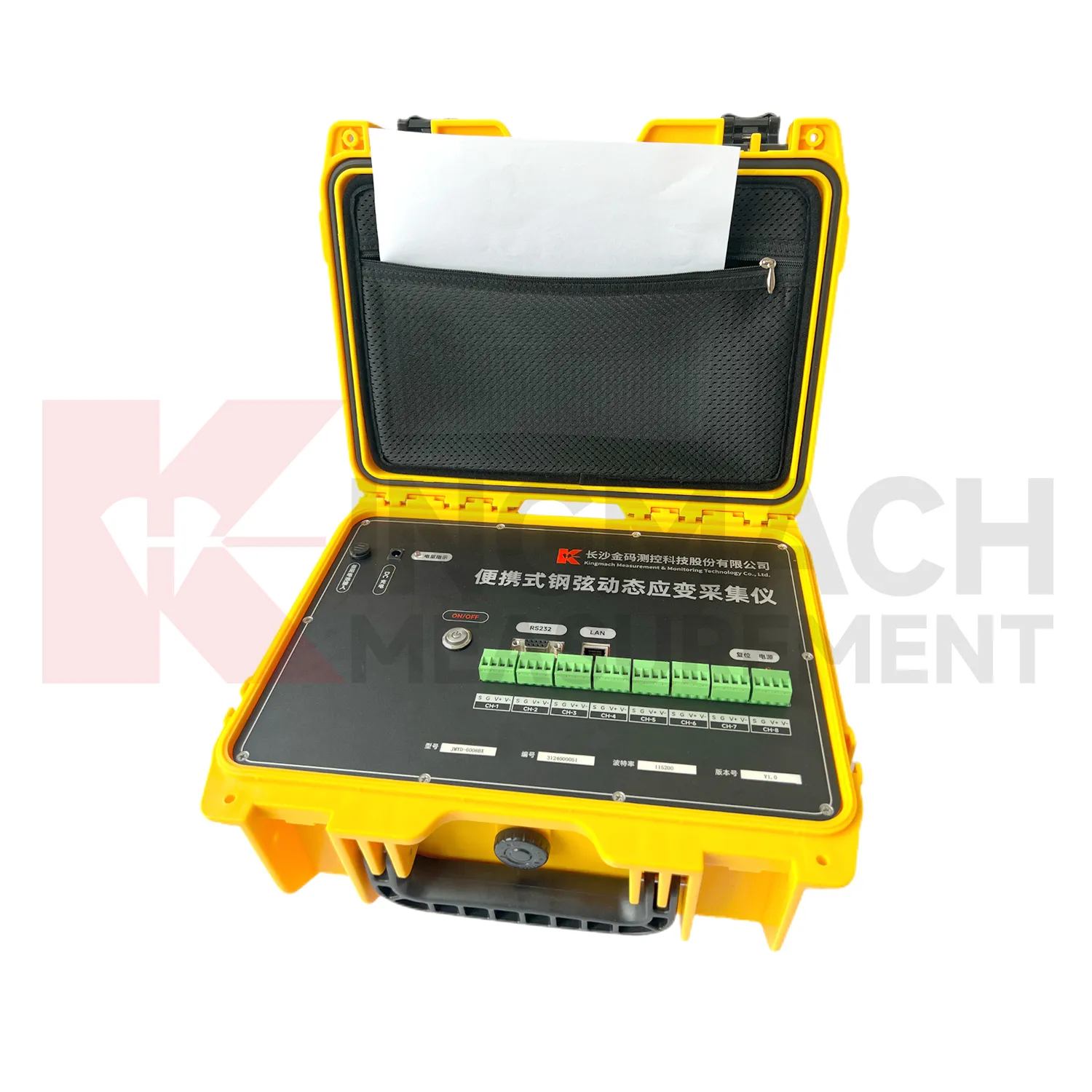
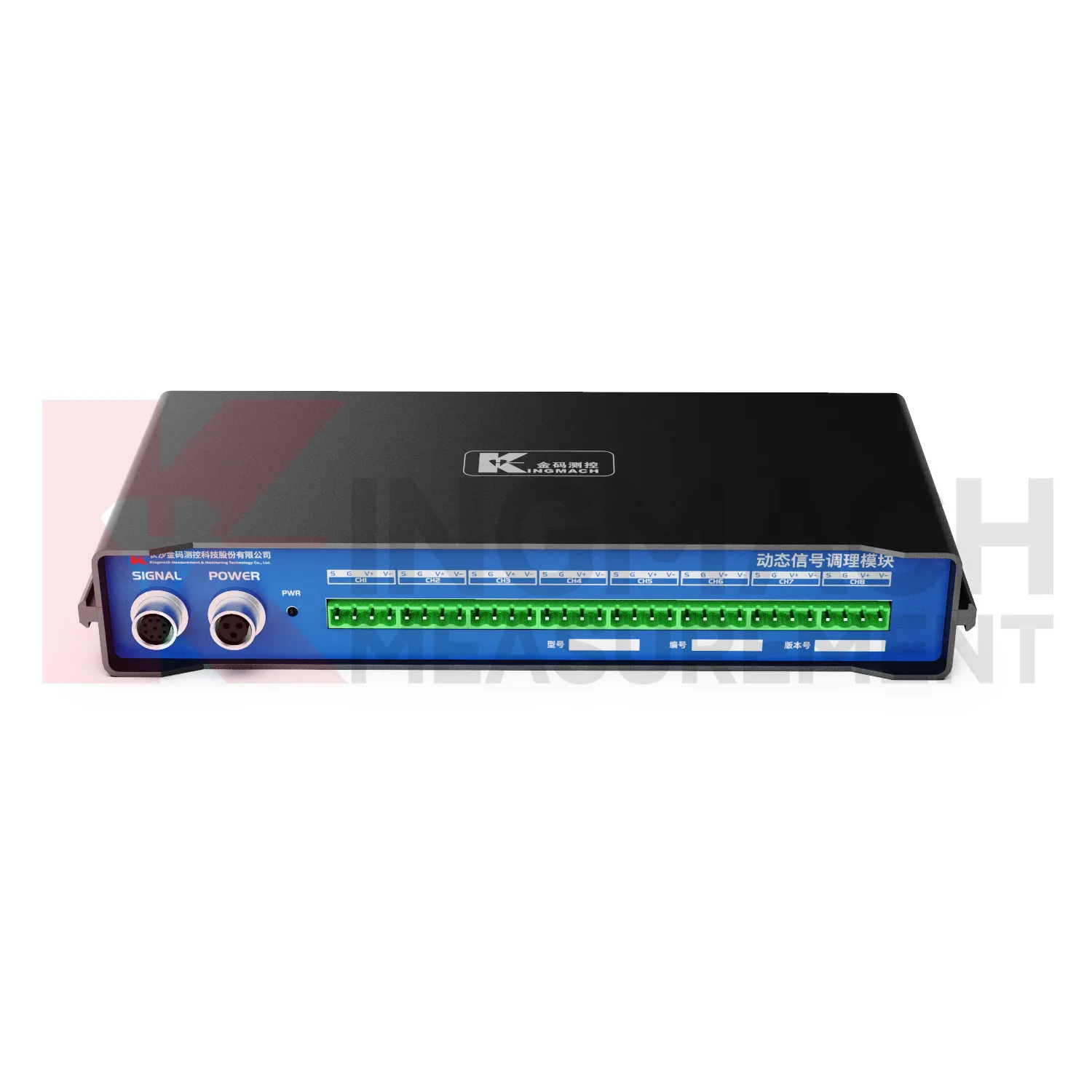
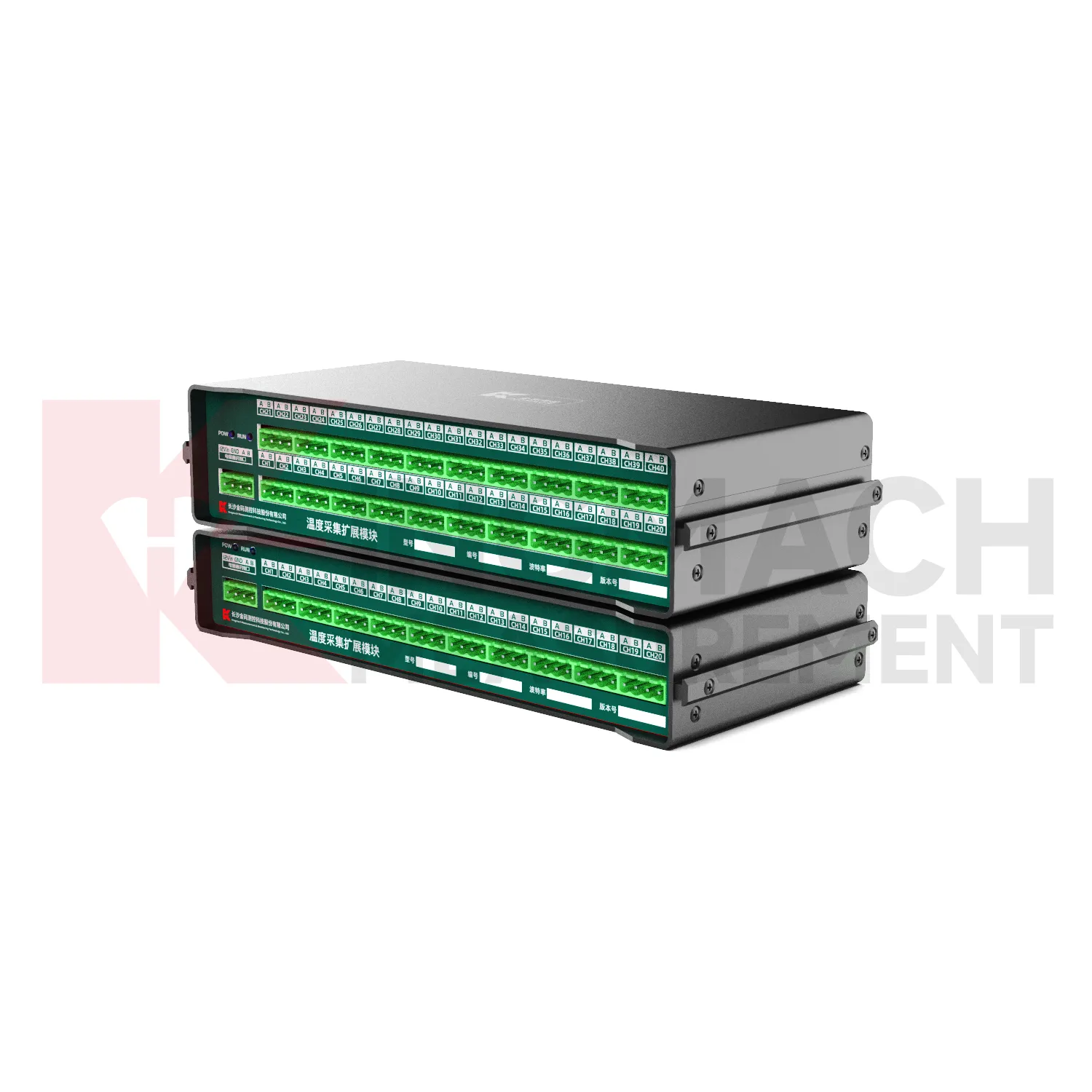
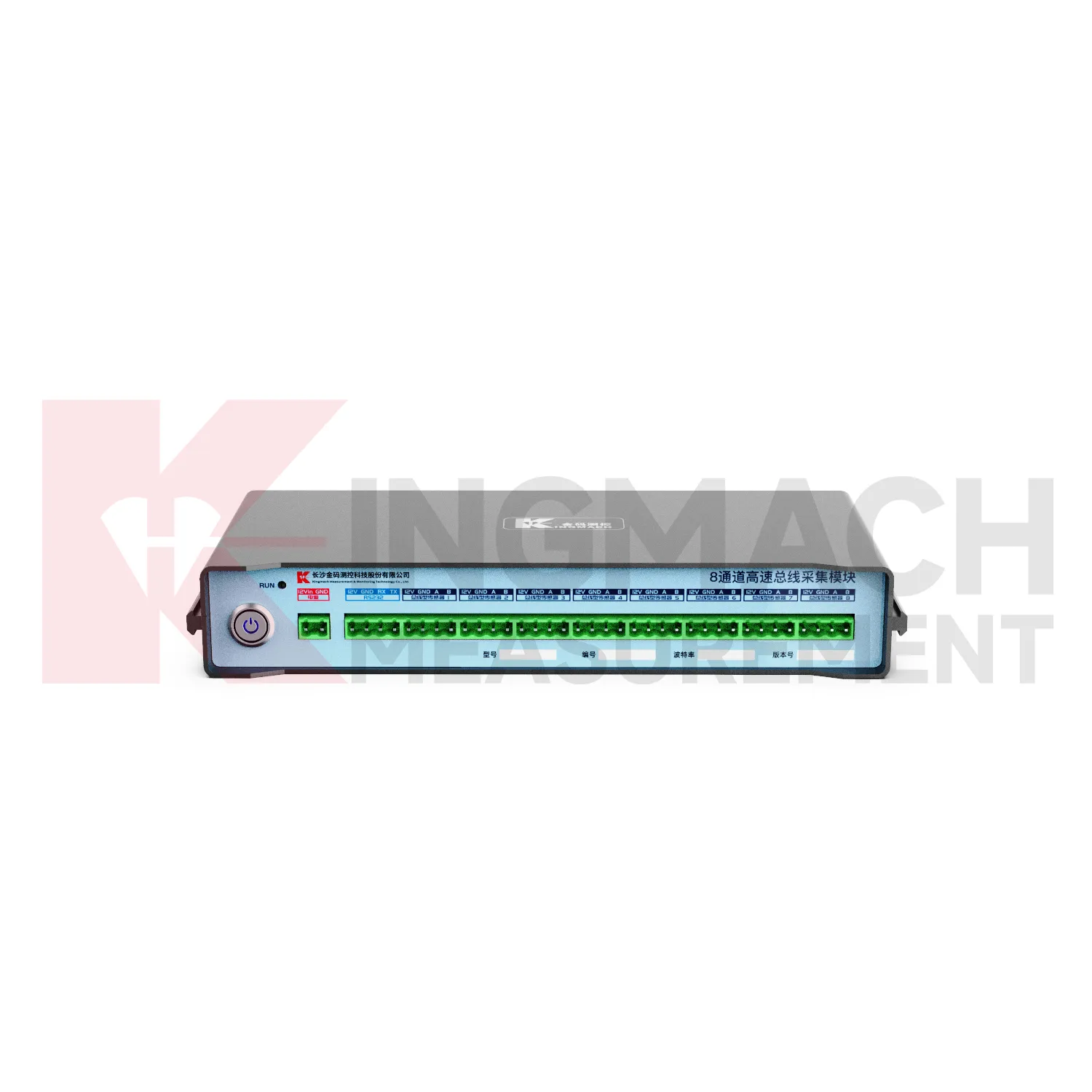
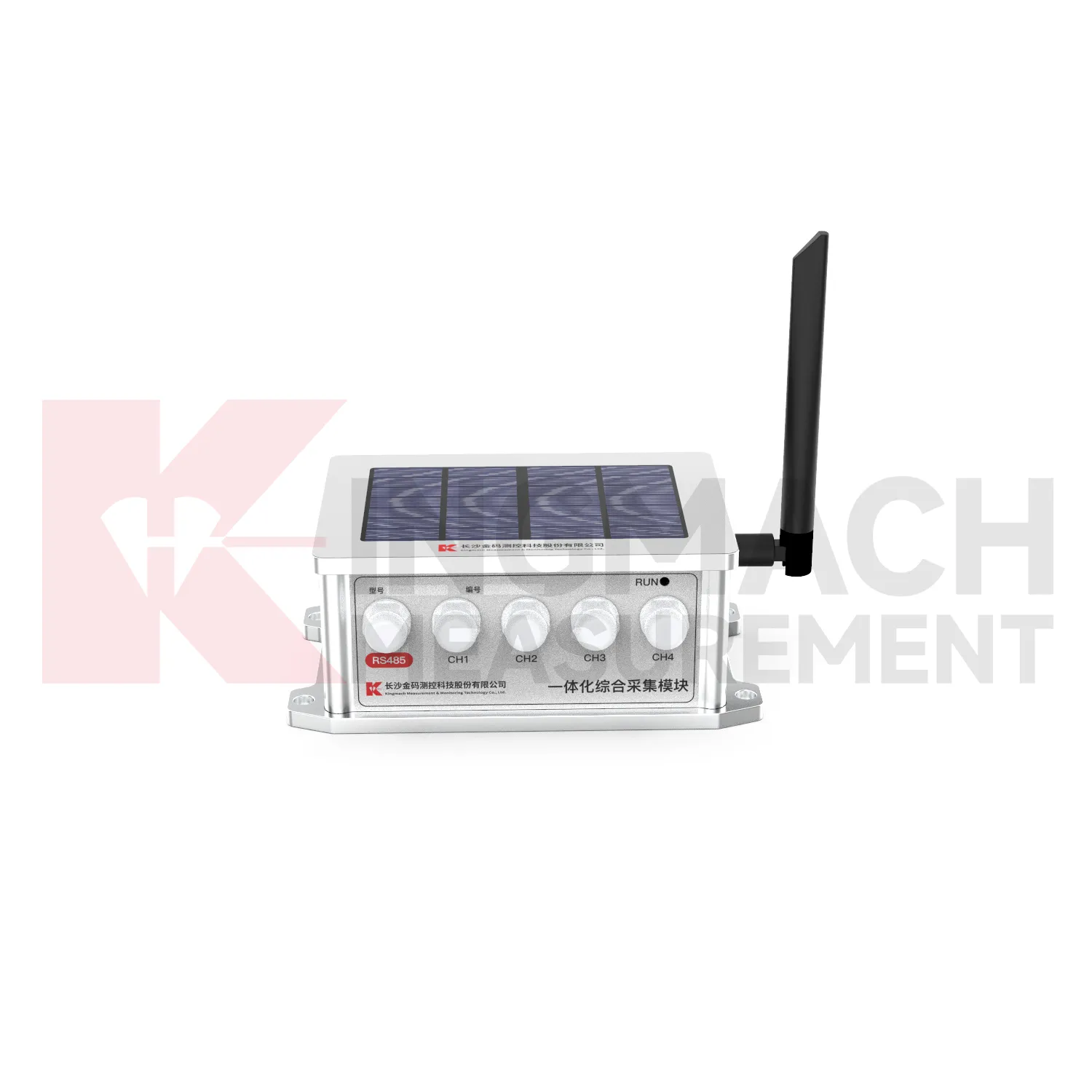
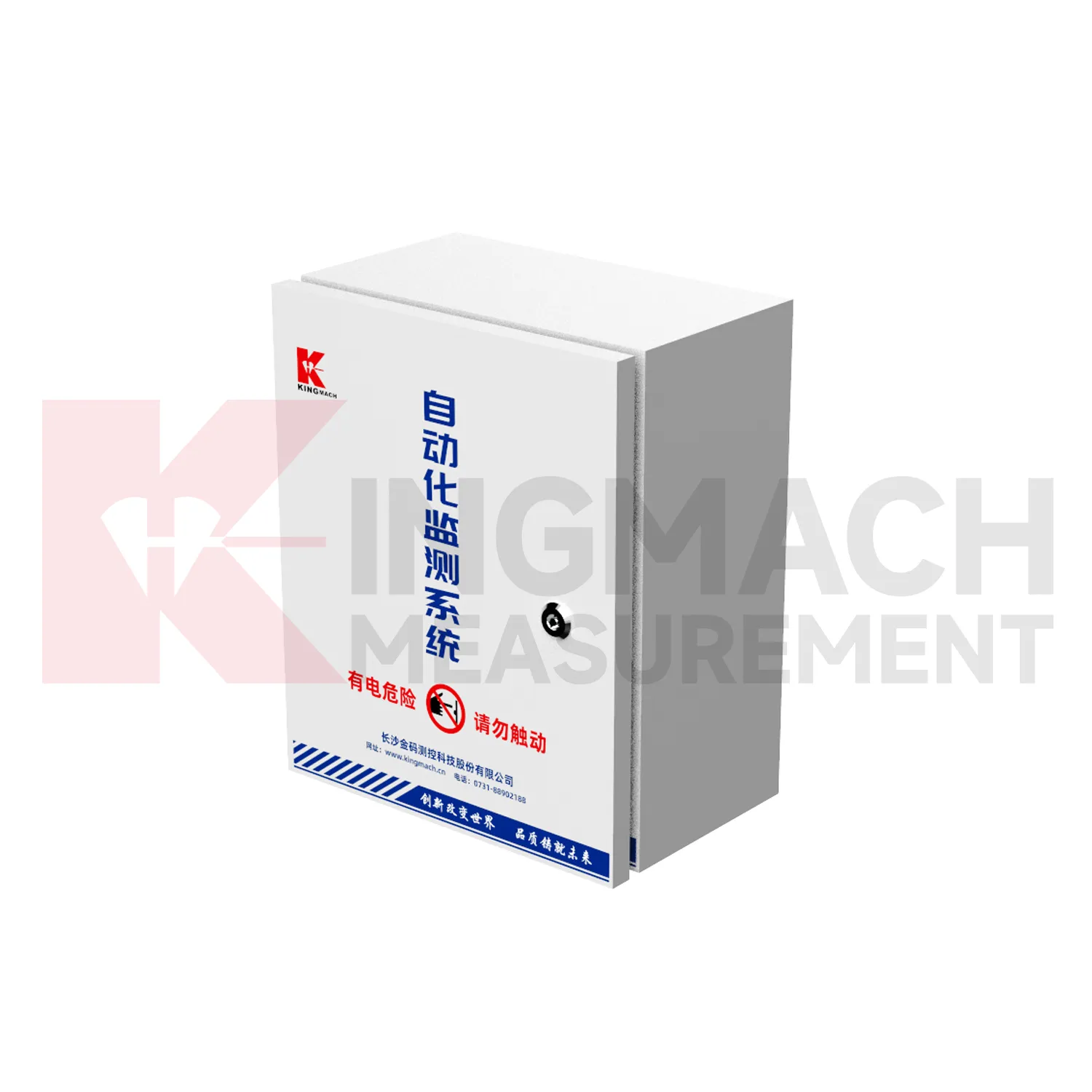
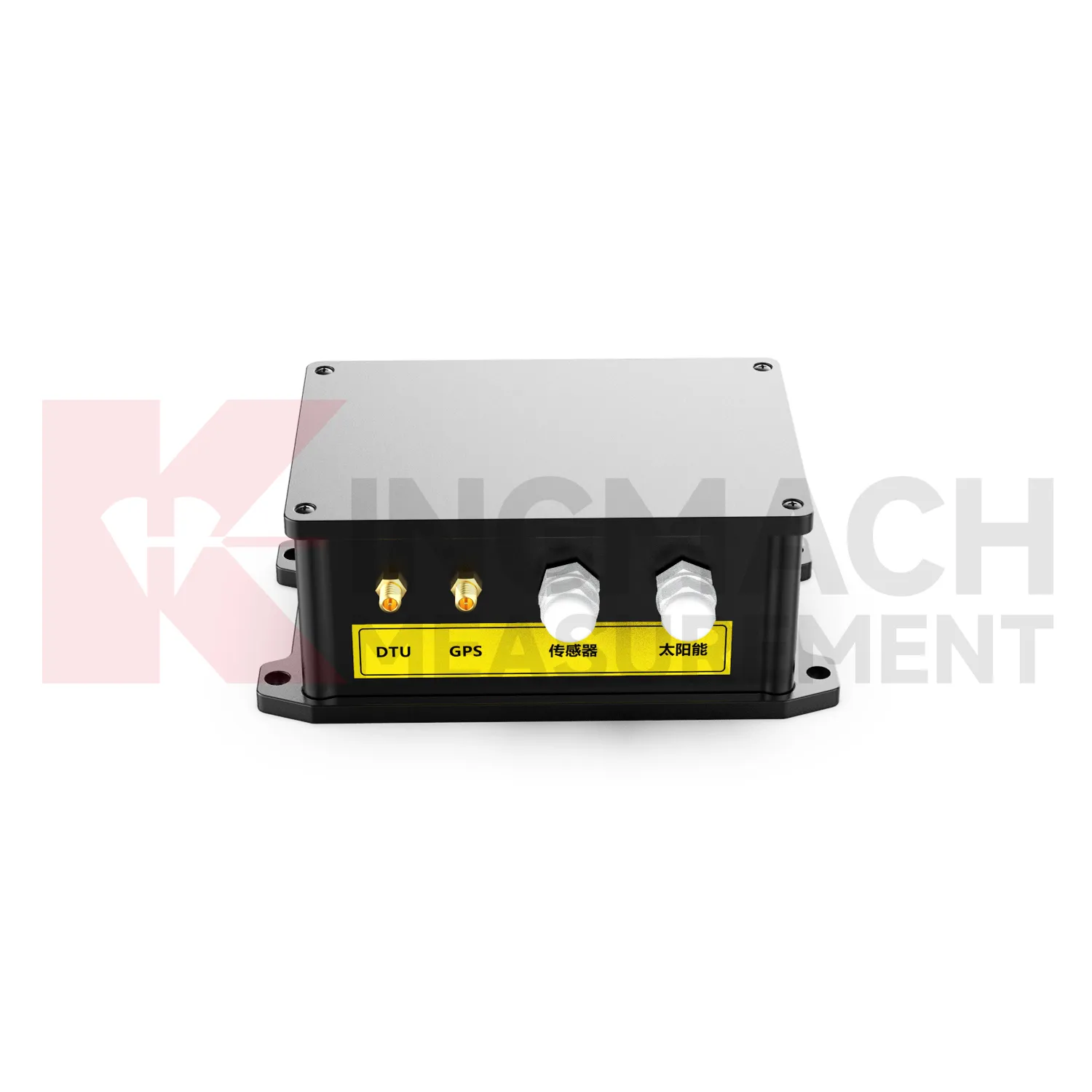
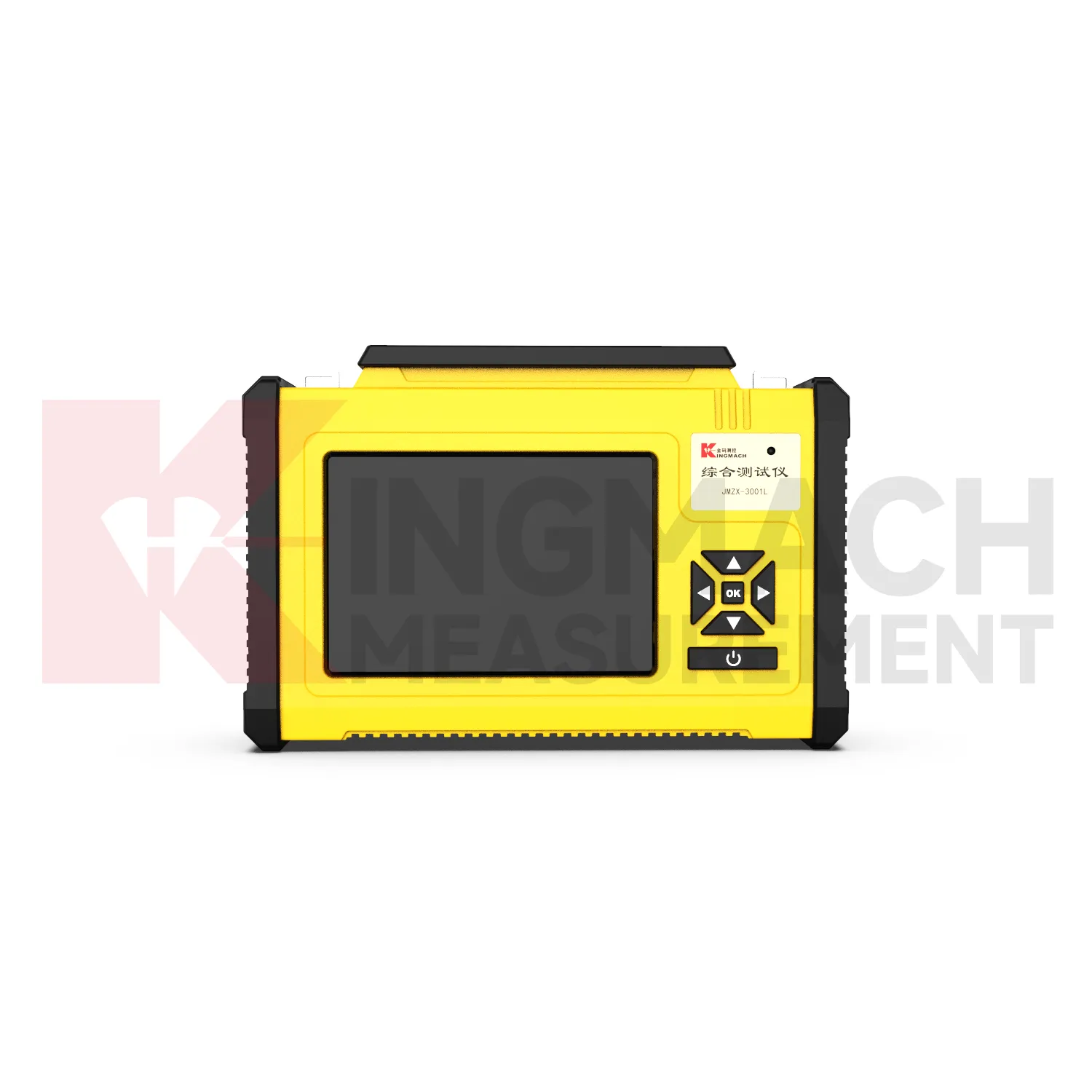
Kingmach pressure data loggers are useful because different project phases need different data behavior. During installation, technicians need immediate values, sensor checks, and wiring confirmation. During construction, supervisors may need frequent records that reflect loading, excavation, pouring, rainfall, traffic, or blasting. During operation, owners may need stable long-term acquisition with clear handover records. A readout supports fast field interaction, while a logger supports continuity. Wireless acquisition reduces the need for repeated site visits when access is difficult. Dynamic instruments support short events where timing and channel synchronization affect interpretation. A complete device plan should define who checks the data, how abnormal readings are confirmed, and where raw and reviewed records are stored. The plan should also show how the acquisition method changes as the project matures. A temporary test may need portable equipment and immediate export, while a long-term station may need battery review, remote upload, and maintenance notes. This phase-based view helps owners avoid using one data method for every task. It also makes acceptance easier because each project phase has a clear data purpose, review method, and responsible team. That clarity reduces uncertainty when monitoring moves from contractor control to owner operation. safely and consistently. for everyone. on site. clearly.
Application of pressure data loggers
Railway, subway, and transportation projects use Kingmach pressure data loggers to capture sensor readings during dynamic loading, construction disturbance, and long-term operation. Portable acquisition instruments can be used for vibration or strain events during train passage, while fixed loggers can record settlement, displacement, tilt, or environmental changes along monitored sections. The device should support clear channel naming because many points may be installed along a line, tunnel, bridge, or station box. Timing is also important: event records need enough resolution to connect the measured response with traffic or construction activity. A disciplined acquisition workflow helps owners compare repeated events instead of treating each reading as isolated. Transport monitoring often depends on matching measurement time with operating schedules. A train passage, platform work, nearby excavation, or maintenance closure can explain a short response that would be confusing in a monthly trend alone. The acquisition record should therefore keep route section, structure name, event time, sensor group, and operating note together. This helps engineers compare repeated passages and identify changes that deserve field inspection. For subway and railway assets, this is useful when night work, train intervals, tunnel ventilation, and station activity change the background condition around the sensors. during later technical review. safely.
The future of pressure data loggers
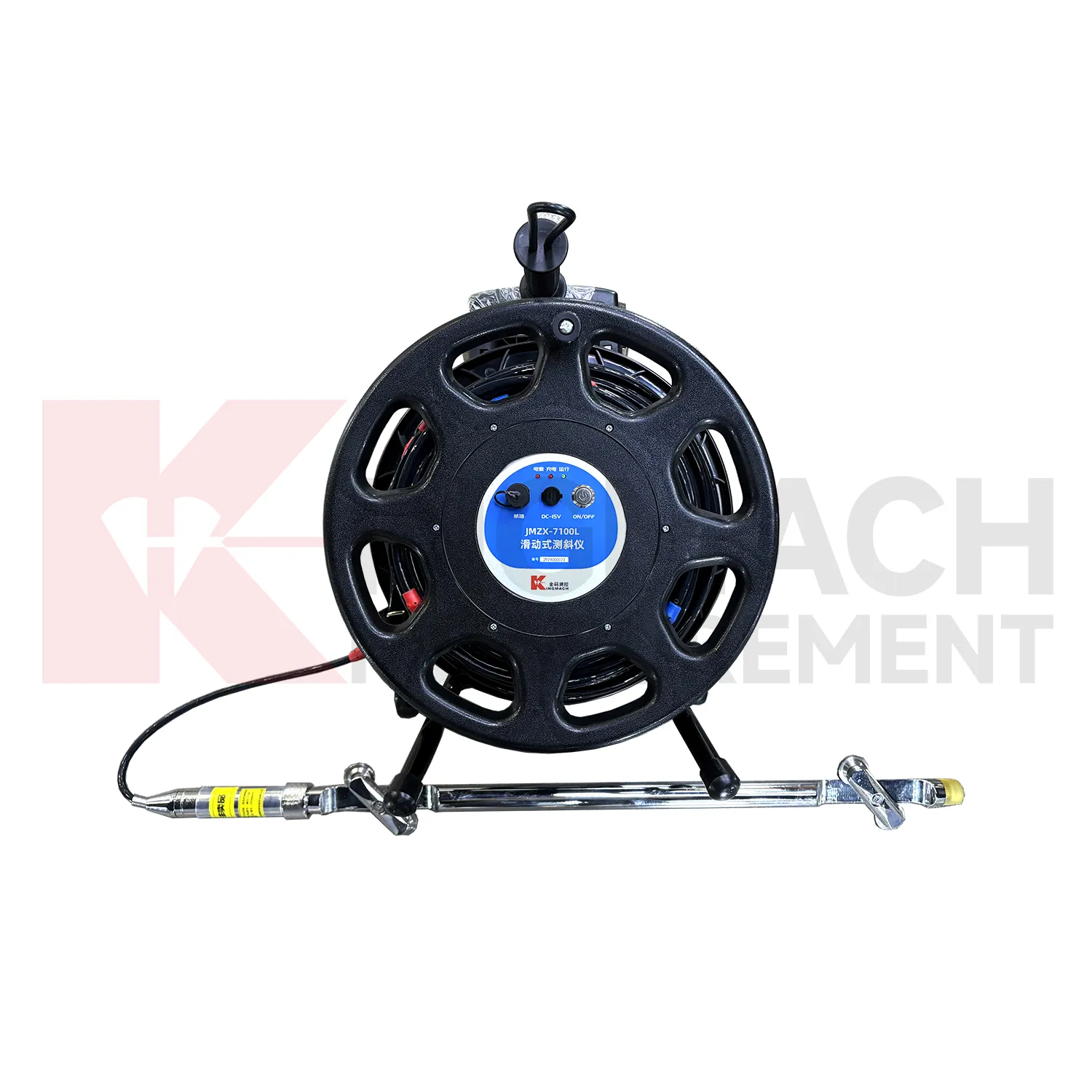
Future Kingmach pressure data loggers will put more attention on data handover. Monitoring projects often outlast the team that installed the sensors. Future readouts and loggers should support records that remain understandable after staff changes, repairs, and platform updates. A handover package can include sensor lists, channel maps, baseline values, acquisition intervals, communication settings, and examples of normal readings. When this information stays connected with the data logger history, the owner can continue review without guessing how the system was configured. Digital handover should also record what changed after installation. If a logger is replaced, a channel is renamed, or an interval is adjusted, the station history should show the reason and date. This keeps the monitoring file usable for future contractors, maintenance teams, and asset managers. A good handover record can prevent repeated troubleshooting and helps new teams understand the monitoring logic before they make changes. during operation safely. over time.
Care & Maintenance of pressure data loggers
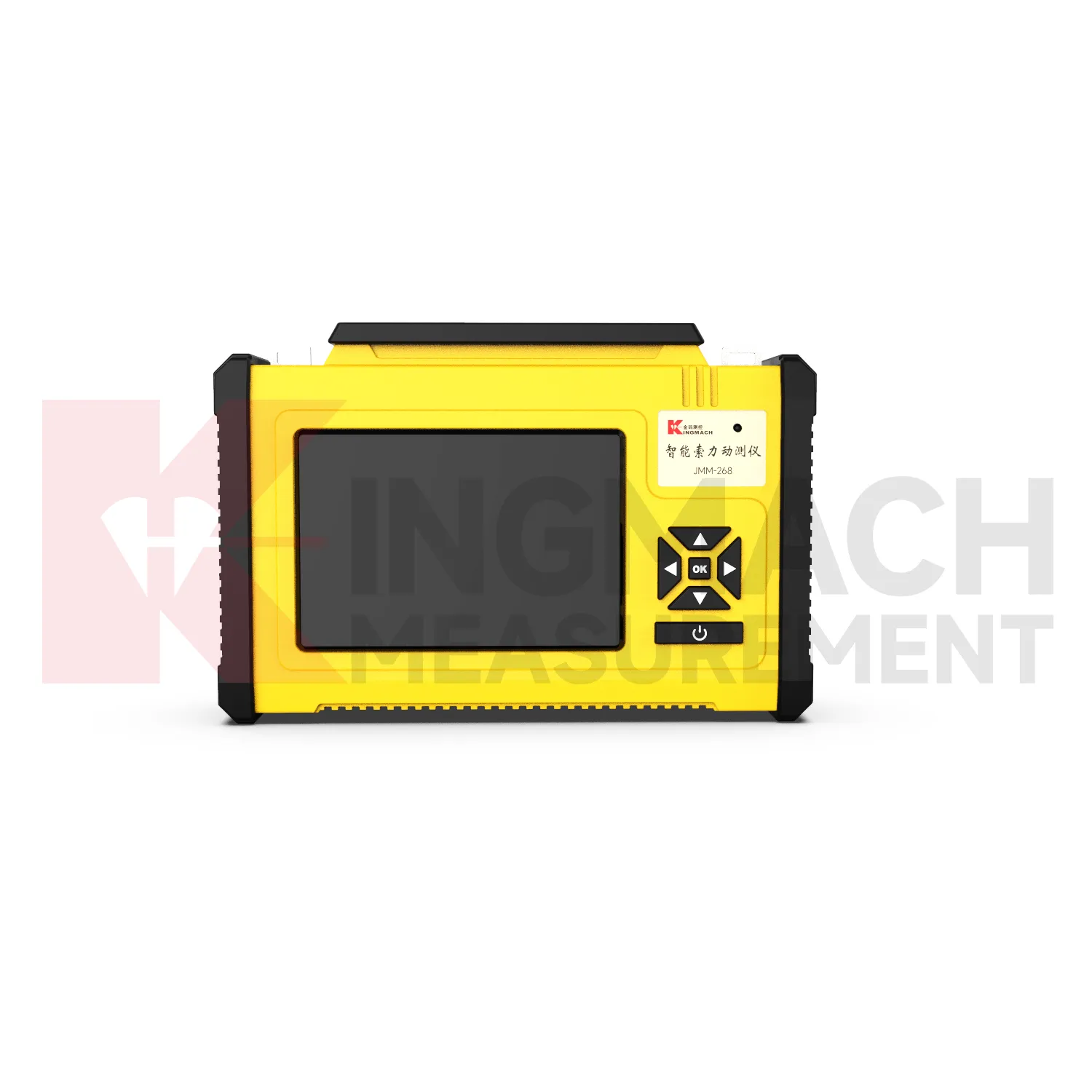
Handover maintenance keeps Kingmach pressure data loggers useful after staff changes. A monitoring system may operate for years, but the people who installed it may leave the project. Keep a handover file with device type, sensor list, channel map, acquisition interval, communication method, power plan, baseline readings, maintenance history, and export location. Update the file after repairs, replacements, or setting changes. When the next team can understand the acquisition chain quickly, the project avoids repeated diagnosis and protects the value of long-term monitoring data. Handover should also identify which devices are temporary and which remain part of long-term operation. A temporary logger removed after construction should have final exported files, while a permanent station should keep power, communication, and maintenance routines documented. This prevents old construction records from being confused with active monitoring points. during owner review and maintenance planning. across project phases. clearly and safely. for owners. later on site. consistently.
Kingmach pressure data loggers
Kingmach pressure data loggers make sensor readings easier to verify before the data becomes part of a formal project record. A technician can use a readout to check whether a sensor responds, whether the channel name matches the physical point, and whether the value looks reasonable beside site conditions. A data logger can then continue the acquisition after the crew leaves. This handoff from manual checking to automatic collection is important for settlement sensors, strain gauges, load cells, tilt sensors, displacement points, and environmental instruments. The monitoring team gains a clearer record when every reading is tied to location, time, sensor type, and inspection notes. For dynamic tests, timing accuracy, event naming, channel synchronization, and signal conditioning help the team compare motion or strain events with construction activity, traffic, wind, or machinery operation. During handover, photos, channel maps, sensor lists, communication settings, and normal baseline examples help the next team continue review without rebuilding the monitoring history from scattered files.
FAQ
Q: What are Readouts & Data Loggers used for?
A: They collect, display, store, and transfer sensor readings so engineering teams can review monitoring data from structural, geotechnical, and industrial projects.
Q: How are readouts different from data loggers?
A: Readouts are often used for field checking and portable measurement, while data loggers support automatic acquisition, scheduled records, and longer monitoring periods.
Q: Which sensors can be connected?
A: The category can support vibrating wire sensors, digital RS485 sensors, temperature points, dynamic signals, strain instruments, displacement sensors, tilt sensors, and other monitoring devices depending on the model.
Q: Why is channel naming important?
A: Clear channel names connect each reading with the correct sensor, location, structure, and review purpose, which prevents confusion during reporting and handover.
Q: What should be checked before purchase?
A: Buyers should define sensor type, channel count, acquisition interval, power supply, communication method, storage needs, site access, and reporting workflow.
Reviews
Robert Taylor
The weir flow meter is well-built and delivers accurate measurements. Great value for water management applications.
David Wilson
We purchased displacement transducers and settlement sensors, and the quality exceeded our expectations. Easy installation and reliable performance.
Latest Inquiries
To protect the privacy of our buyers, only public service email domains like Gmail, Yahoo, and MSN will be displayed. Additionally, only a limited portion of the inquiry content will be shown.
Emma***@gmail.comCanada
Dear Sir/Madam, we are interested in displacement transducers and settlement sensors for a geotechni...
Charlotte***@gmail.comUnited Arab Emirates
Hi, we require instrumentation cables suitable for harsh environments. Could you advise on specifica...