
 EN
EN
 ar
ar bg
bg hr
hr cs
cs da
da nl
nl fi
fi fr
fr de
de el
el hi
hi it
it ko
ko no
no pl
pl pt
pt ro
ro ru
ru es
es sv
sv tl
tl iw
iw id
id lv
lv lt
lt sr
sr sk
sk sl
sl uk
uk vi
vi et
et hu
hu th
th tr
tr fa
fa ms
ms hy
hy ka
ka ur
ur bn
bn mn
mn ta
ta kk
kk uz
uz ku
ku
smart vibration sensor
Kingmach smart vibration sensor fits a complete dynamic monitoring workflow. The work starts with the structural question, then continues through mounting position, axis direction, cable route, acquisition settings, event naming, analysis method, and report review. Product pages may mention compact design, sealing, anti-interference, low-frequency performance, wide dynamic behavior, and compatibility with dynamic testing systems, but those features are useful only when they support the field task. Buyers can understand where the sensor goes, what motion it captures, and how that motion becomes a decision. The same principle guides installation: every point needs a purpose, every event needs a name, and every report needs to connect the waveform to the monitored asset.
For field teams, the record is strongest when the waveform is tied to a named event and a known physical point. The note can state what was operating, what changed on site, whether other instruments reacted, and whether the motion repeated under similar conditions.
A useful dynamic record needs both signal quality and site context. Mounting condition, axis direction, cable stability, acquisition timing, and event labeling all affect whether the data can support an engineering decision after review.
During interpretation, the team can compare the motion with nearby strain, displacement, tilt, load, wind, temperature, traffic, machinery, or construction notes. That wider view helps separate normal response from a pattern that needs inspection.
Application of smart vibration sensor
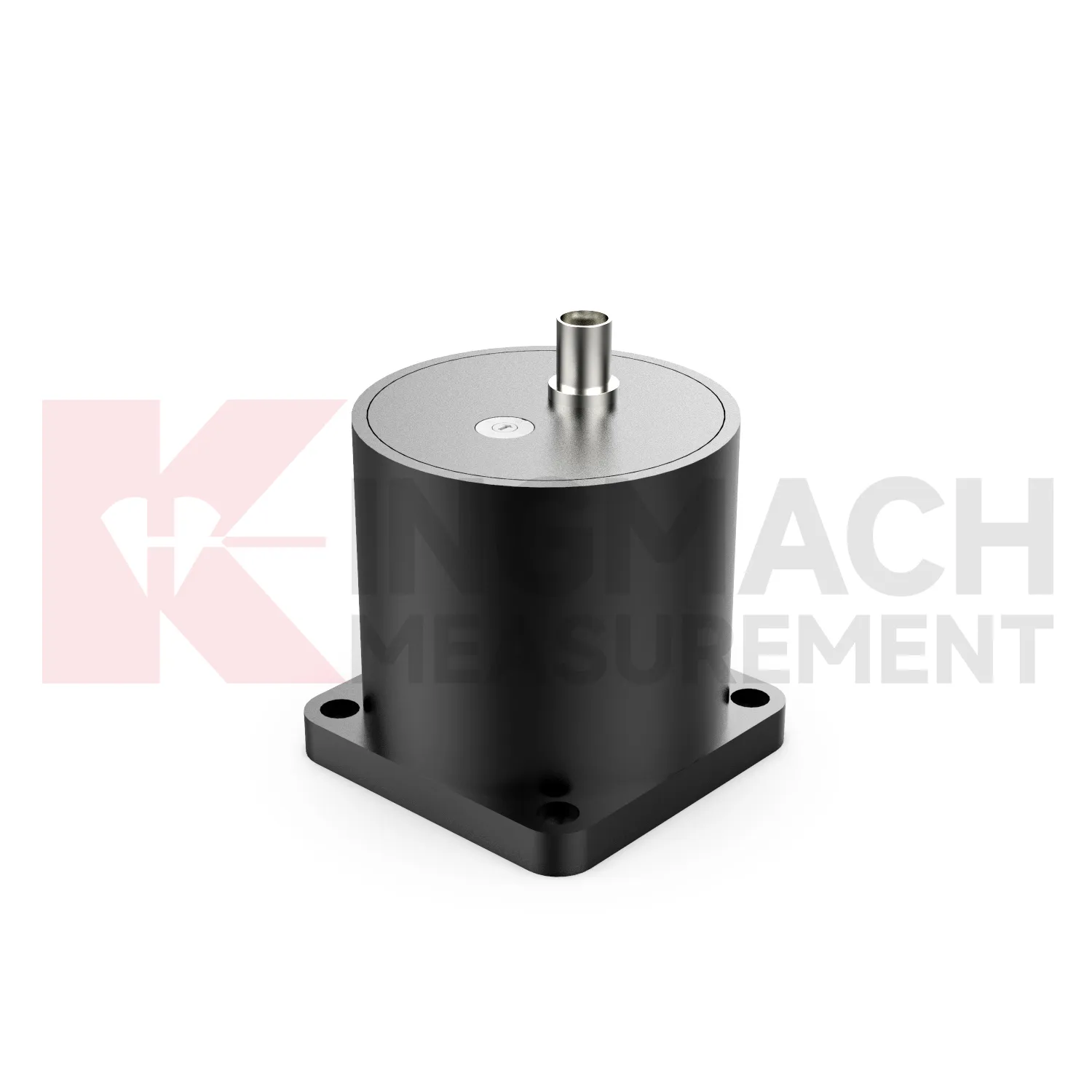
Machinery and industrial structures use Kingmach smart vibration sensor to record motion from rotating equipment, impact work, production lines, foundations, and support frames. The goal may be comfort, safety, fatigue review, machine condition, or structural response. A sensor should be mounted on a surface that carries the actual vibration, not on a loose cover or secondary panel. The record should note machine state, speed setting, operating cycle, and any maintenance event. Acceleration data is most useful when the engineer can compare normal operation with a changed vibration pattern. If the record is reviewed with noise, temperature, load, and maintenance notes, it can help identify whether a change came from the machine, its foundation, or the surrounding structure.
Industrial monitoring also needs a clear operating baseline. A production line during start-up, steady operation, shutdown, or maintenance may produce different motion. The report should say which condition was measured so a later change is not confused with a normal operating phase.
For machinery foundations, the sensor position should avoid covers, handrails, and panels that vibrate differently from the base. If maintenance changes the machine alignment, support, or operating speed, that note belongs beside the next vibration record.
Repeated measurements should use comparable operating conditions whenever possible. If the plant changes process speed, adds equipment, repairs a foundation, or changes nearby supports, the vibration trend should be reviewed with that history before any judgment is made.
The future of smart vibration sensor
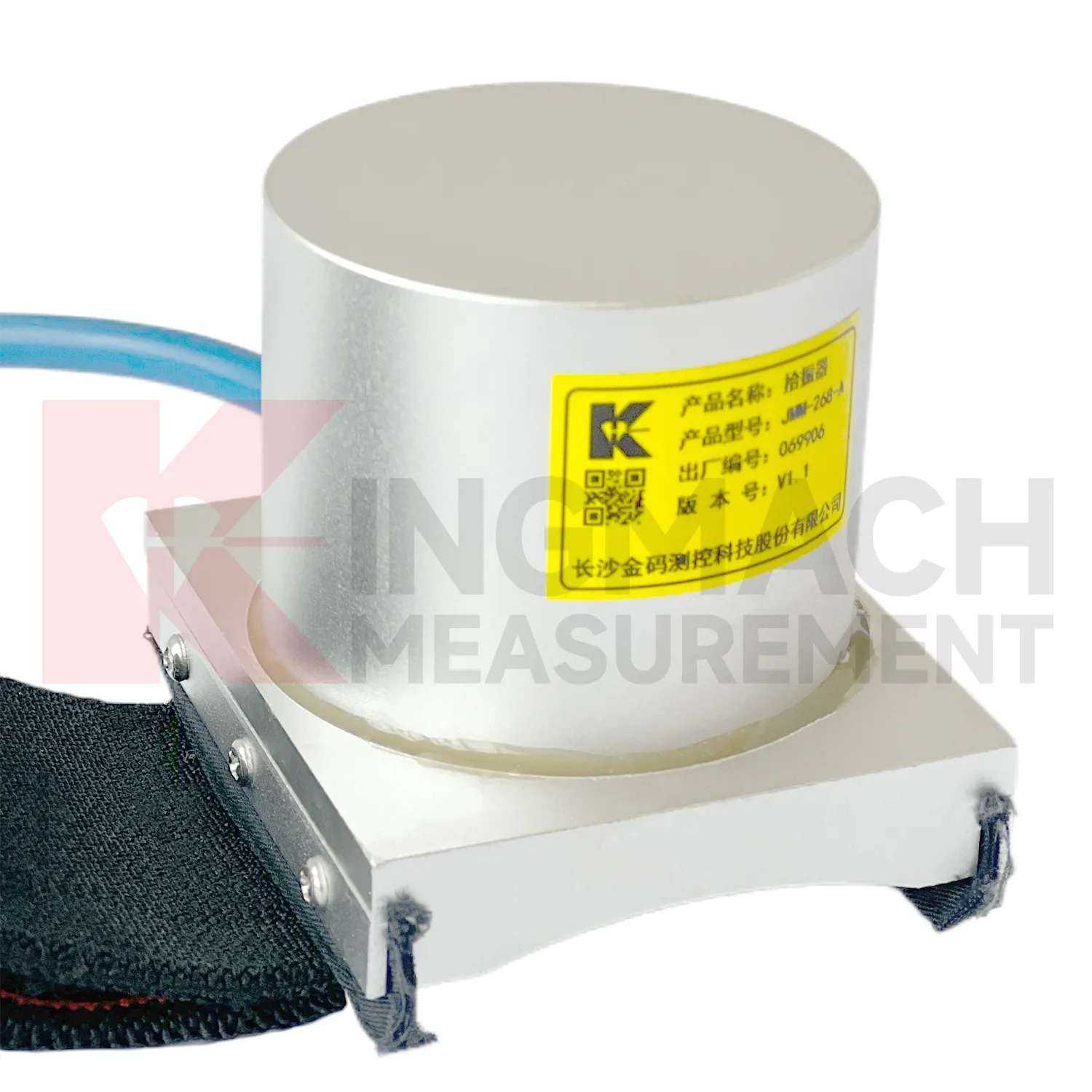
The future of Kingmach smart vibration sensor will include stronger quality checks on dynamic data. Flatlines, clipping, loose mounting, channel swaps, cable noise, and wrong axis labels can all weaken a record. Automated review can flag suspicious patterns before engineers spend time interpreting bad data. This is especially useful in large monitoring networks with many points. Quality checks do not replace field inspection, but they help decide where inspection is needed. Clean data is the foundation of useful dynamic analysis. A reliable warning system must know the difference between real motion and a measurement path that has gone wrong.
Future quality tools should look at behavior patterns, not only missing data. A trace that repeats the same shape at the wrong time, loses high-frequency detail, or disagrees with nearby points may reveal mounting or acquisition trouble before a complete failure occurs.
These checks will make large dynamic networks easier to operate. Engineers can focus on events that deserve interpretation, while maintenance teams receive clearer signals about which point, cable, setting, or field condition needs attention.
Care & Maintenance of smart vibration sensor
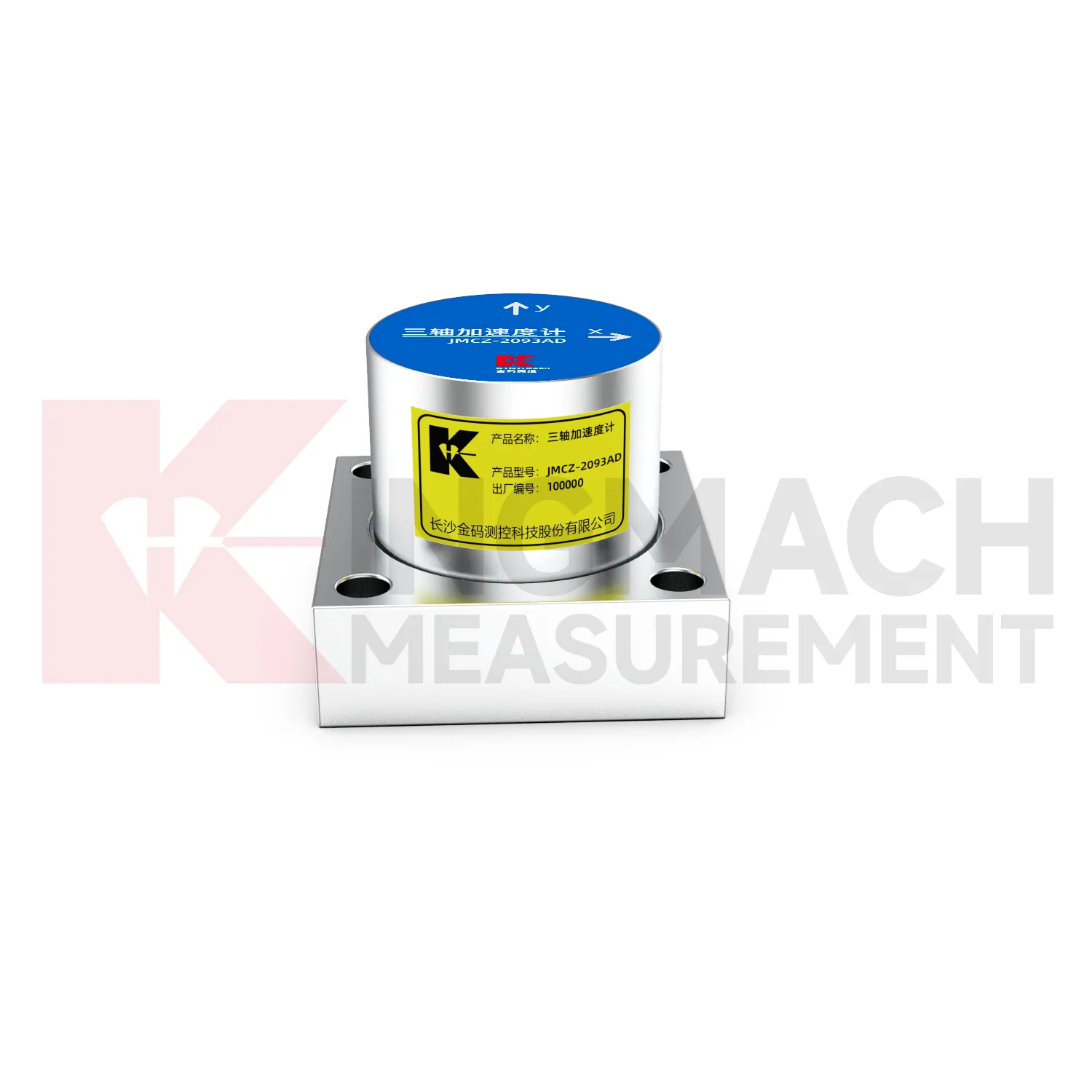
Acquisition settings for Kingmach smart vibration sensor should be checked after commissioning and after any platform change. Dynamic monitoring depends on timing, event capture, channel naming, and storage behavior. If the system records too slowly, a short event may be missed. If it stores too little context, the waveform may be hard to interpret. Keep a record of sampling plan, event trigger, analysis method, and related channels. After software updates or cabinet work, run a controlled check so the team knows the system is still capturing motion correctly. Acquisition care protects the investment made in the field installation.
Weak-vibration review should include nearby walking, wind, traffic, equipment start-up, and construction activity because these sources can influence the trace. People walking nearby, wind, traffic, equipment start-up, and construction work can all influence the trace, so the field note should capture what was happening around the point.
For high-risk assets, inspection timing should follow events as well as calendar dates. After impact, blasting, severe weather, unusual vibration, or equipment maintenance, the sensor and the data path both deserve a quick check.
Kingmach smart vibration sensor
The strength of Kingmach smart vibration sensor is clearest when the data is connected to analysis. Dynamic testing systems can turn vibration signals into curves, frequency information, and engineering values when the project is configured for that purpose. The sensor is only the first part of the chain. Mounting, wiring, acquisition, time alignment, software review, and reporting all shape the final value of the measurement. A well-built data chain helps teams see whether a signal is stable, intermittent, growing, or tied to a known event. If any part of the chain is weak, the curve may still appear complete while the engineering meaning remains uncertain.
If the reading changes suddenly, the first check should include the sensor attachment, cable route, connector, channel name, and recent field activity. This prevents a maintenance issue from being mistaken for structural behavior.
Long-term monitoring benefits from repeatable procedure. When the same point, direction, event definition, and analysis method are preserved, new vibration records can be compared with earlier records in a defensible way.
FAQ
Q: How should a sensor position be selected?
A: Place it where the structure actually moves and where the record answers a clear engineering question.
Q: Why is mounting important?
A: Loose mounting can create a false vibration signal, so the sensor must be fixed to a stable surface.
Q: Why does axis direction matter?
A: The waveform only has meaning when reviewers know whether it represents vertical, lateral, longitudinal, or multi-direction motion.
Q:What should be recorded at installation?
A: Record point name, mounting face, axis direction, cable route, acquisition channel, first test record, and photos.
Q: Can sensors be moved after installation?
A: They can, but the move date, reason, new position, and new baseline test should remain visible in the record.
If the reading changes suddenly, the first check should include the sensor attachment, cable route, connector, channel name, and recent field activity. This prevents a maintenance issue from being mistaken for structural behavior.
Reviews
Matthew Garcia
Instrumentation cables are durable and perform well even in harsh environments. Will definitely order again.
Ryan Lewis
Fast delivery and excellent product quality. The accelerometers and tiltmeters are highly reliable. Strongly recommend this company.
Latest Inquiries
To protect the privacy of our buyers, only public service email domains like Gmail, Yahoo, and MSN will be displayed. Additionally, only a limited portion of the inquiry content will be shown.
Charlotte***@gmail.comUnited Arab Emirates
Hi, we require instrumentation cables suitable for harsh environments. Could you advise on specifica...
Emma***@gmail.comCanada
Dear Sir/Madam, we are interested in displacement transducers and settlement sensors for a geotechni...
Related product categories
- accelerometer vibration measurement
- piezo accelerometer vibration measurement
- vibration sensor
- vibration sensors
- wireless vibration sensor
- wireless vibration sensors
- piezo vibration sensor
- piezoelectric vibration sensor
- accelerometer vibration sensor
- remote vibration sensor
- mems vibration sensor
- smart vibration sensor