
 EN
EN
 ar
ar bg
bg hr
hr cs
cs da
da nl
nl fi
fi fr
fr de
de el
el hi
hi it
it ko
ko no
no pl
pl pt
pt ro
ro ru
ru es
es sv
sv tl
tl iw
iw id
id lv
lv lt
lt sr
sr sk
sk sl
sl uk
uk vi
vi et
et hu
hu th
th tr
tr fa
fa ms
ms hy
hy ka
ka ur
ur bn
bn mn
mn ta
ta kk
kk uz
uz ku
ku
vibration data loggers
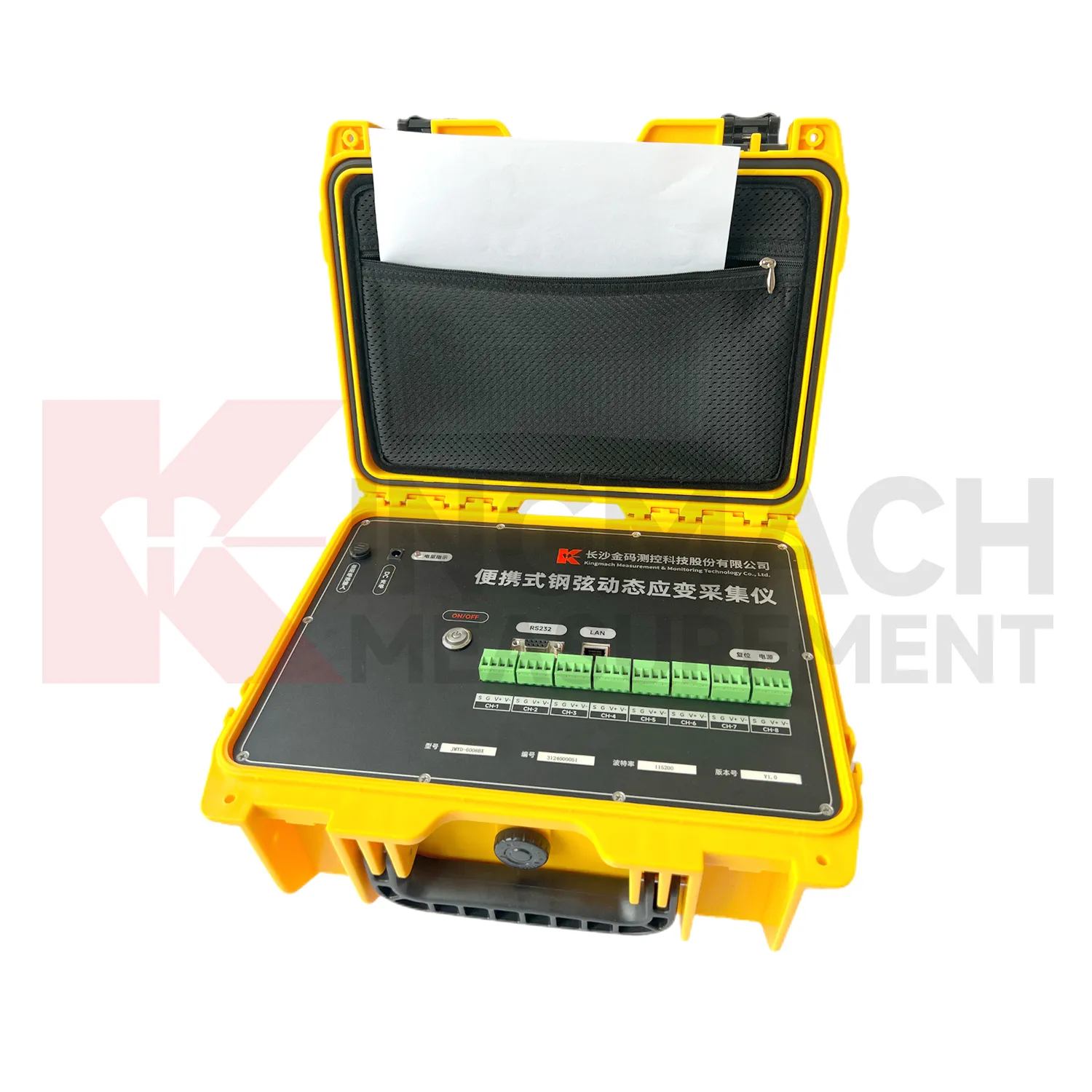
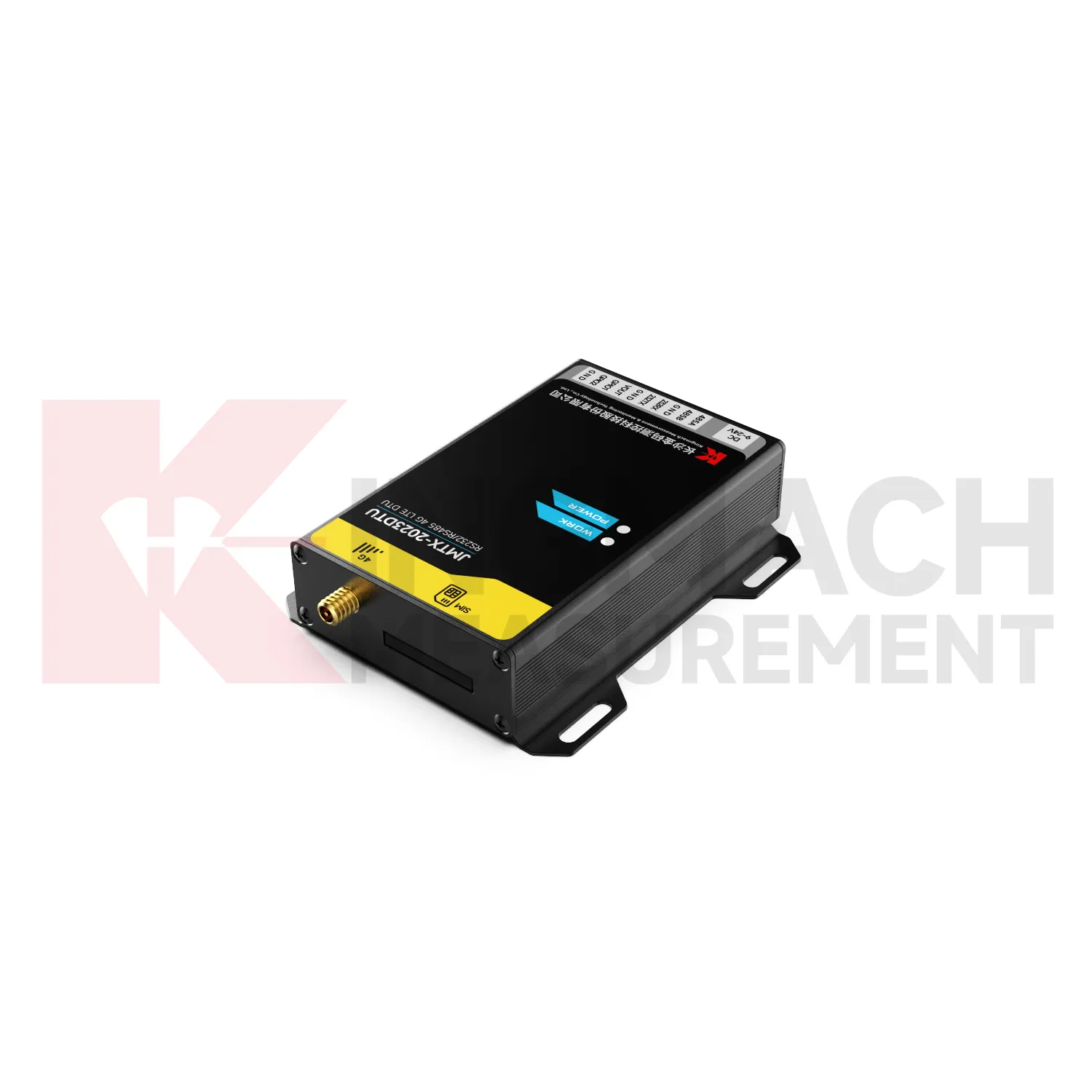
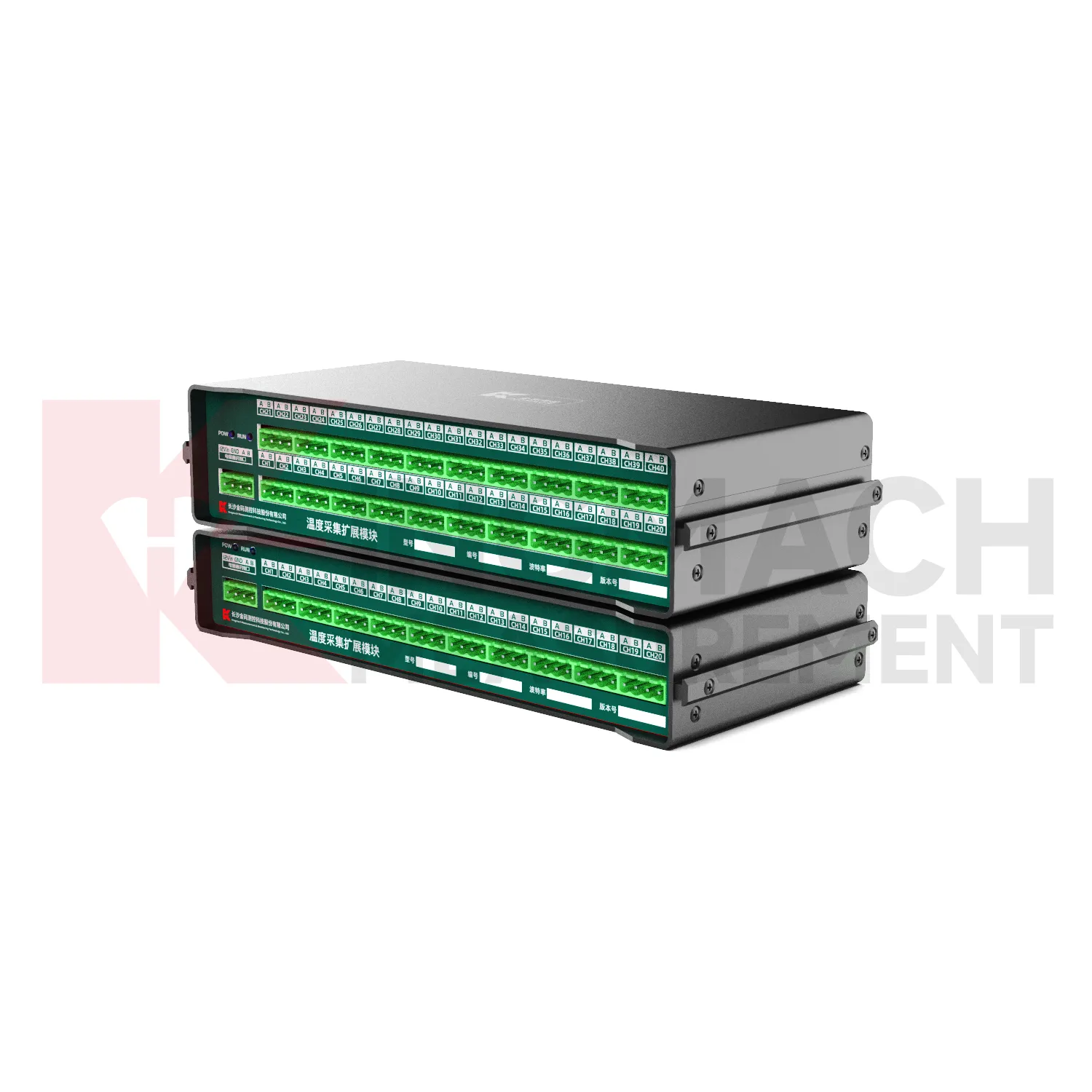
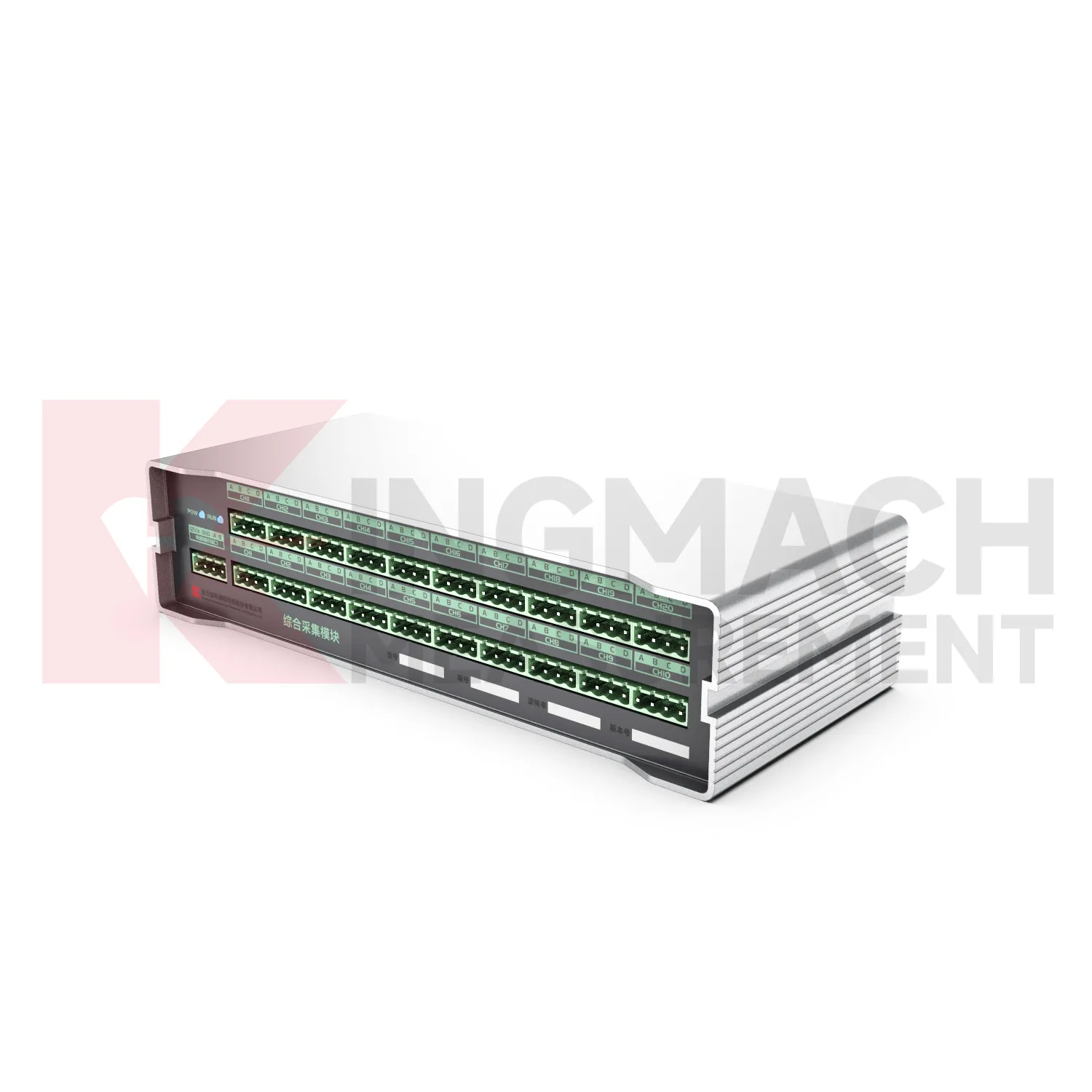
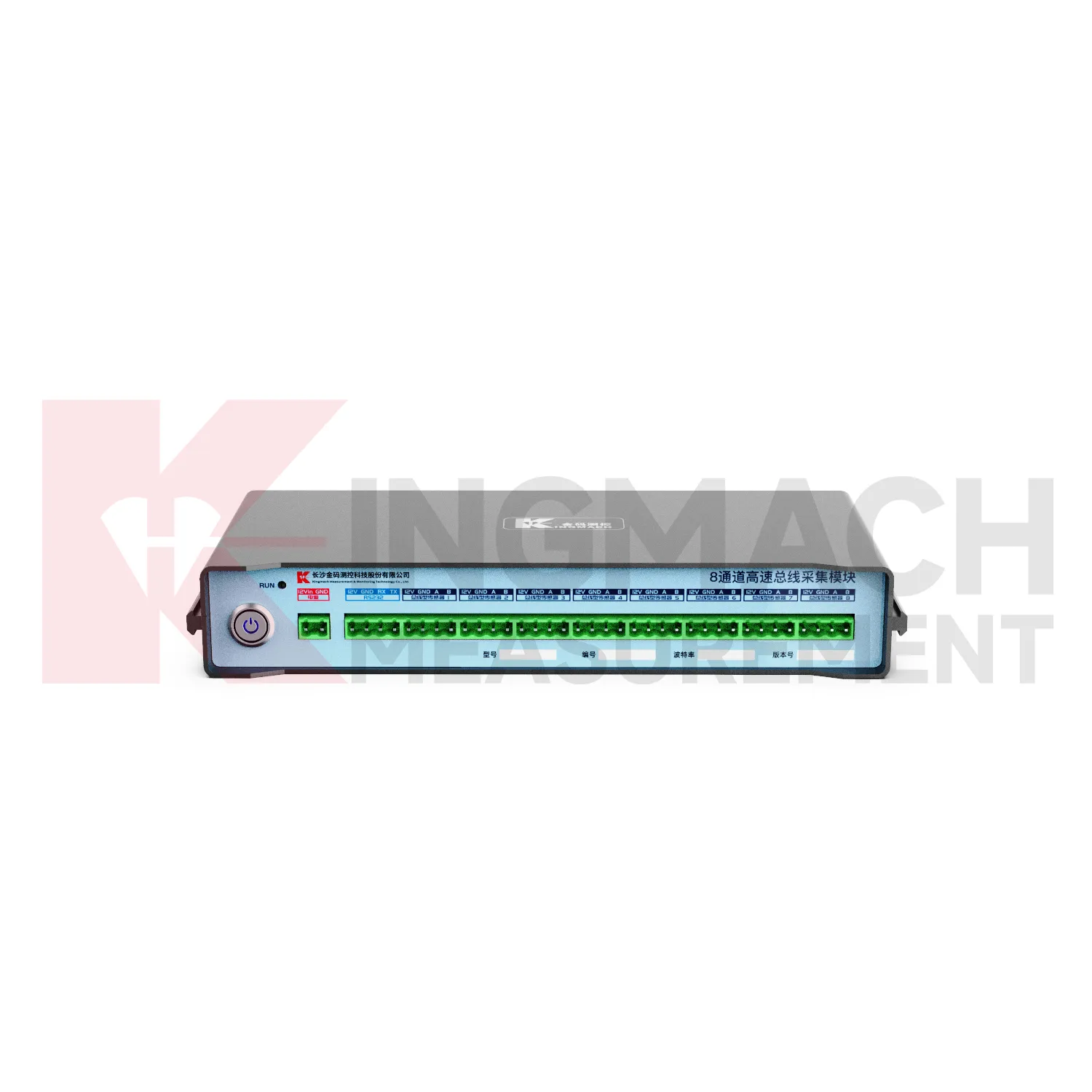
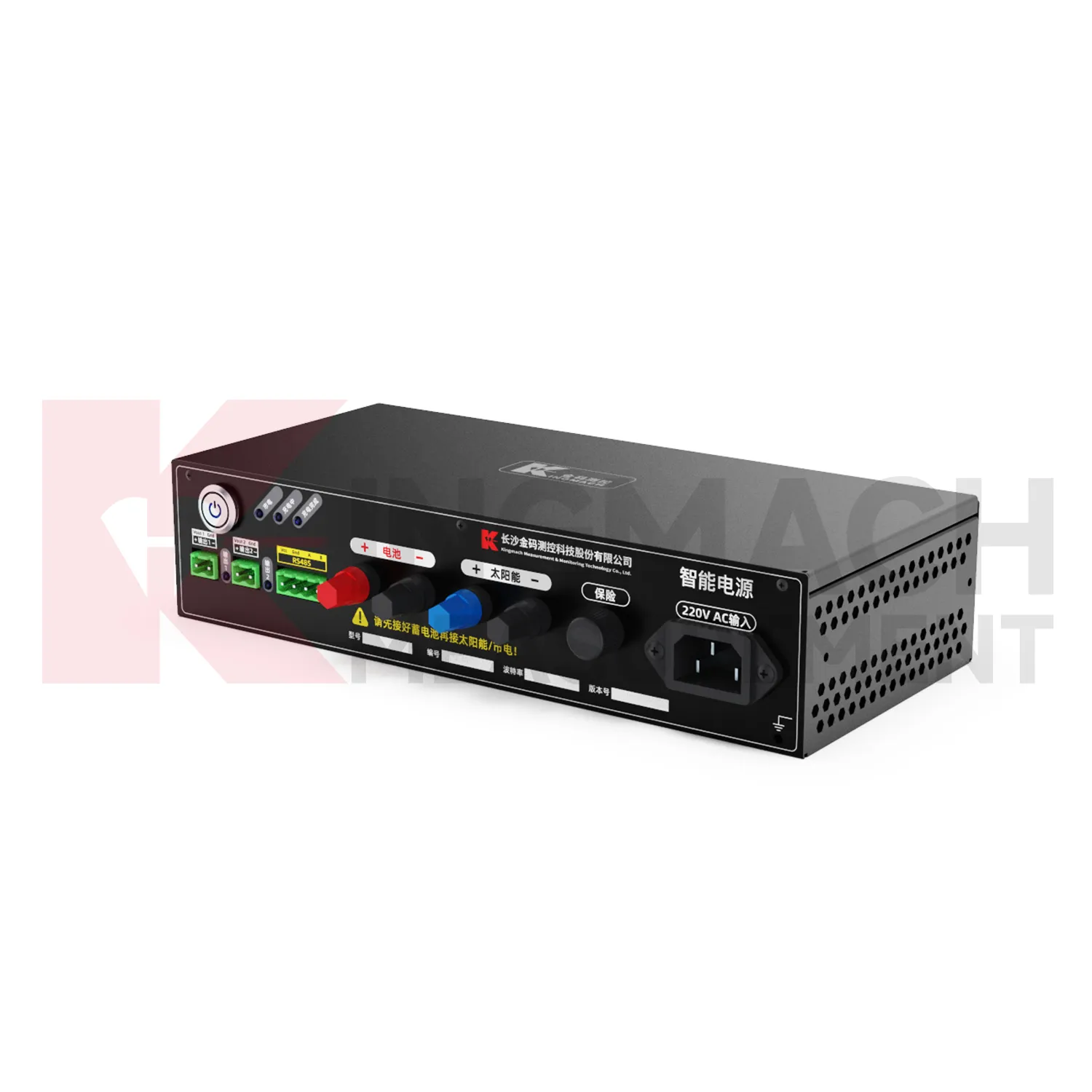
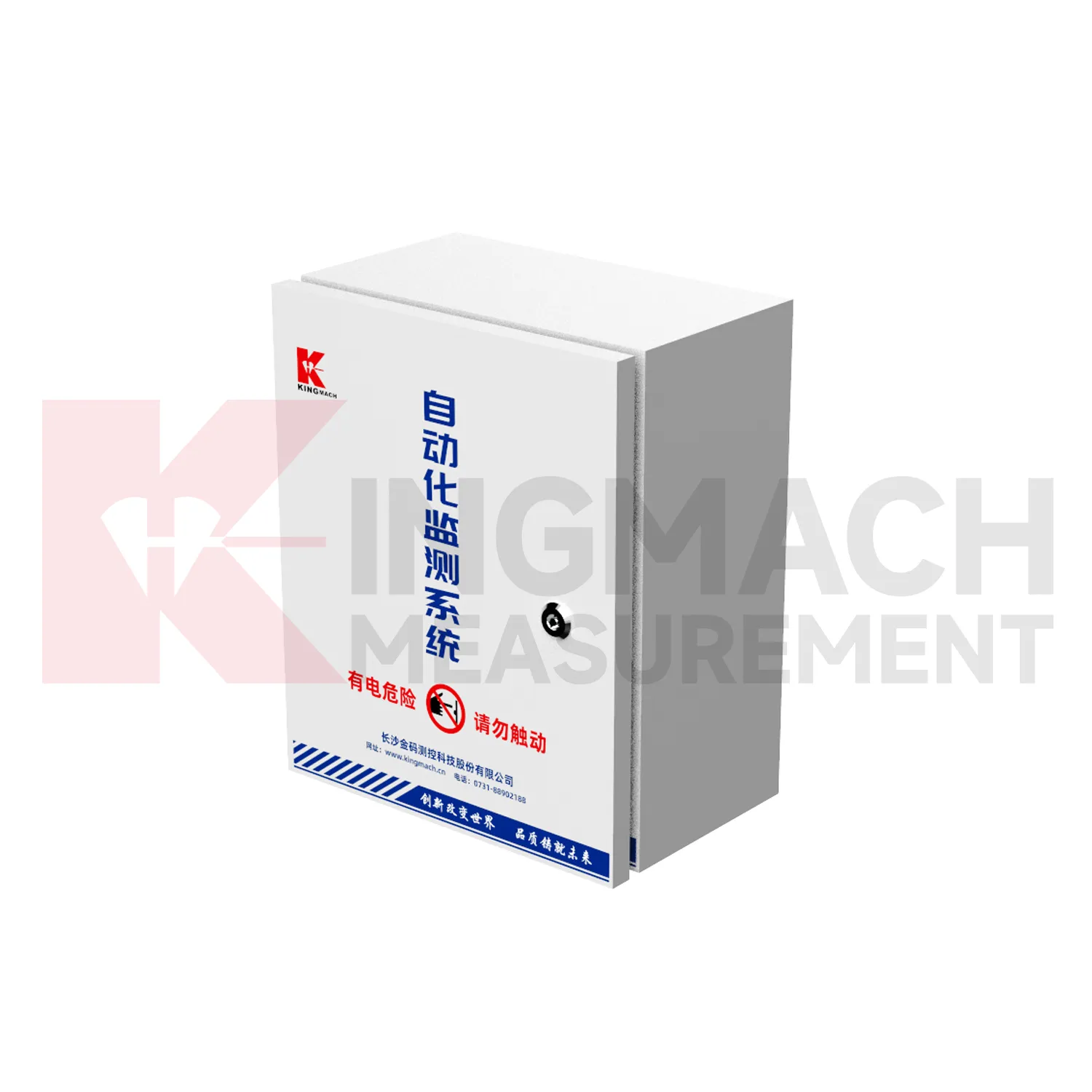
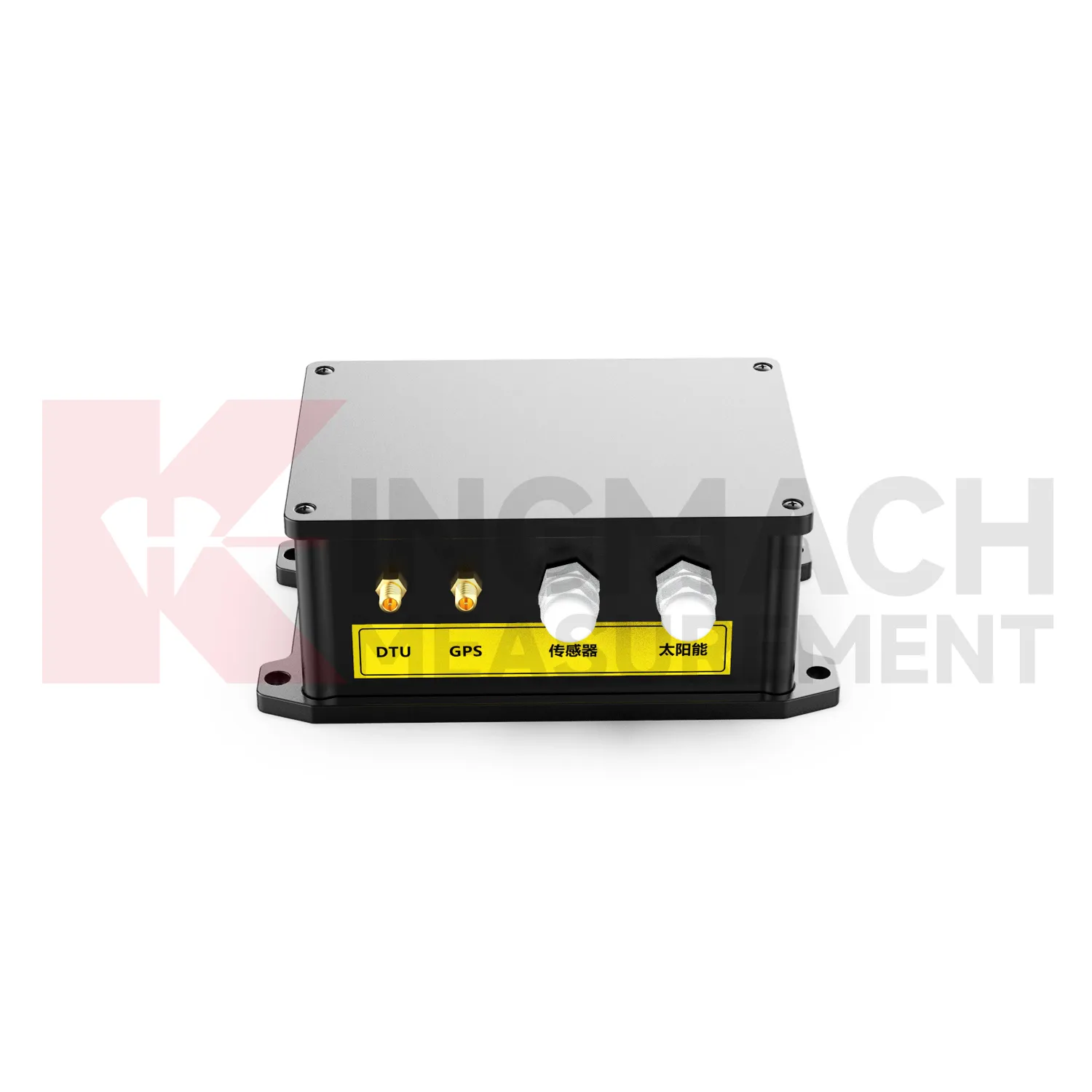
Kingmach vibration data loggers provide acquisition support for projects where readings must remain traceable long after the first inspection round has ended. A single number rarely explains the condition of a structure by itself. Engineers need the measuring point, time, operating mode, instrument status, field activity, and reviewer responsibility to stay connected as one usable record. Portable units help crews confirm sensors during installation, investigate doubtful values, and take comparison readings during maintenance visits. Fixed and wireless units help the owner keep a regular history when the station is difficult to reach or when readings are needed outside normal working hours. The acquisition plan should define how channel names are created, how files are exported, who checks missing readings, who confirms alarms, and how corrected notes are preserved. This is especially important on bridges, tunnels, dams, slopes, railways, deep excavations, and industrial test areas where several teams may handle the same station over time. When the logger, readout, communication path, and reporting process are arranged as one operating chain, long-term monitoring becomes easier to audit, compare, and hand over without losing the meaning behind the measured values. During procurement, it also helps to confirm whether the instrument will be used by trained monitoring staff, general site personnel, or a remote service team, because each working pattern affects display clarity, file handling, enclosure access, communication recovery, and daily checking routines.
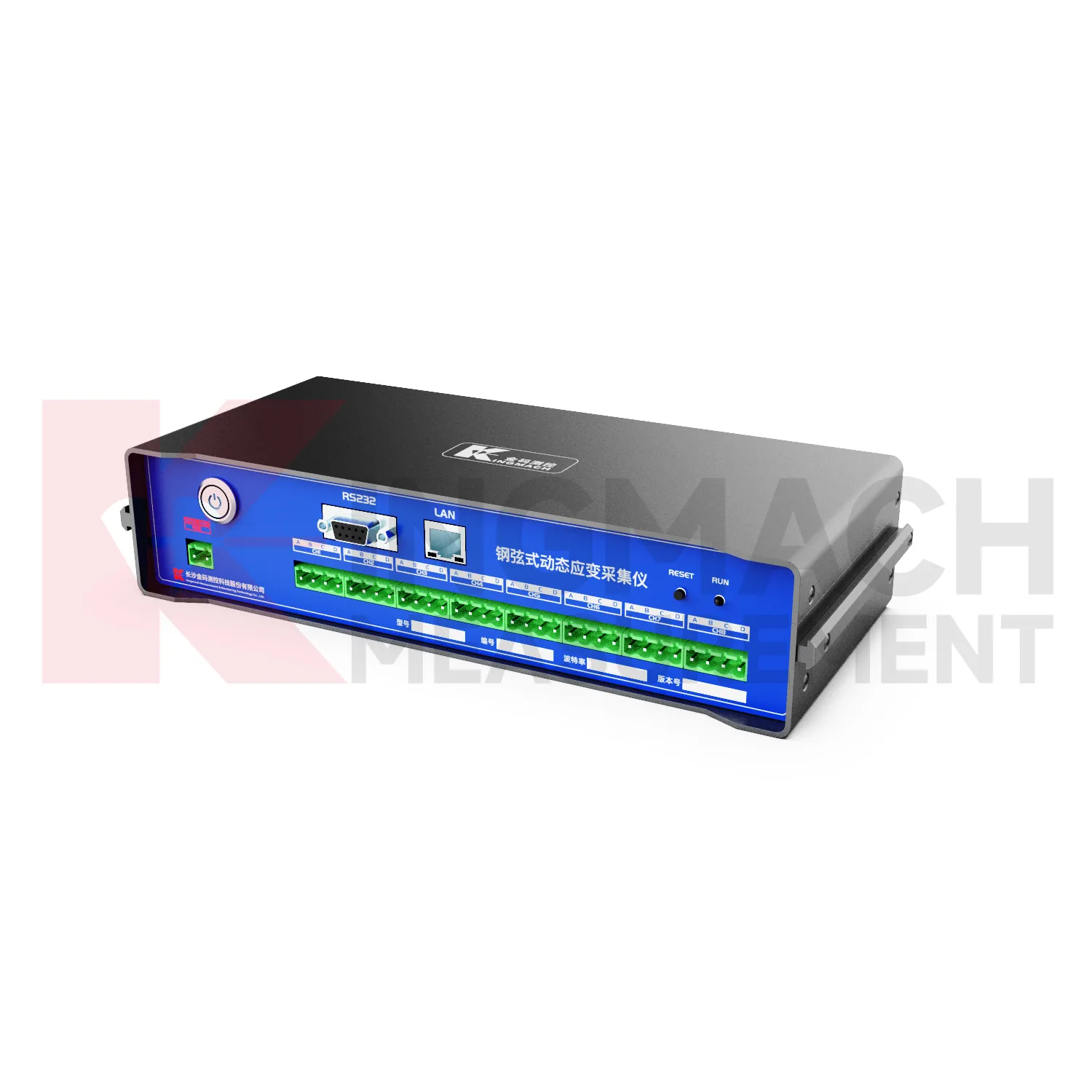
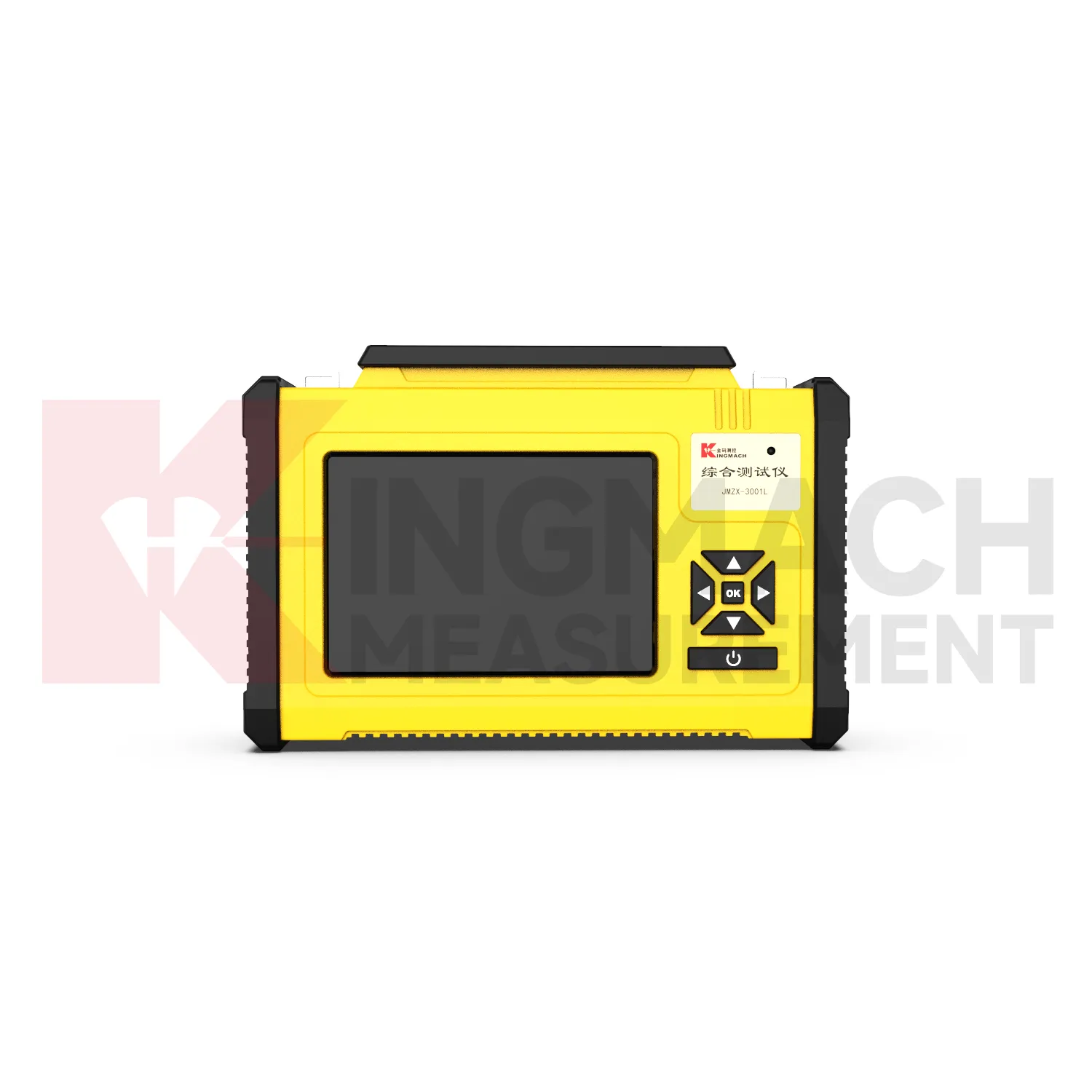
Application of vibration data loggers
Dam and hydraulic projects use Kingmach vibration data loggers to collect readings from strain gauges, displacement points, seepage instruments, water-related sensors, and environmental stations. A dam gallery or remote auxiliary structure may not be convenient for frequent manual visits, so fixed or wireless data loggers can improve continuity. Portable readouts remain useful for verification, maintenance checks, and sensor replacement. The acquisition plan should define which records support routine operation, which records support safety review, and which records are temporary construction measurements. Stable channel naming is important because dam projects often keep data for many years and may be reviewed by different teams across operation, inspection, and maintenance cycles. In hydraulic works, long-term comparability is especially important. A reading from a gallery, spillway, slope, or seepage point should remain traceable after seasonal changes, repairs, or inspection campaigns. The data logger history should show when a point was checked, when a device was serviced, and whether communication or power condition affected the record. This helps dam owners keep monitoring evidence usable through operation and maintenance. It also supports comparison with water level, rainfall, seepage, temperature, and inspection notes when abnormal behavior needs engineering review. across operating seasons. with clear responsibility. over time. reliably. safely.
The future of vibration data loggers
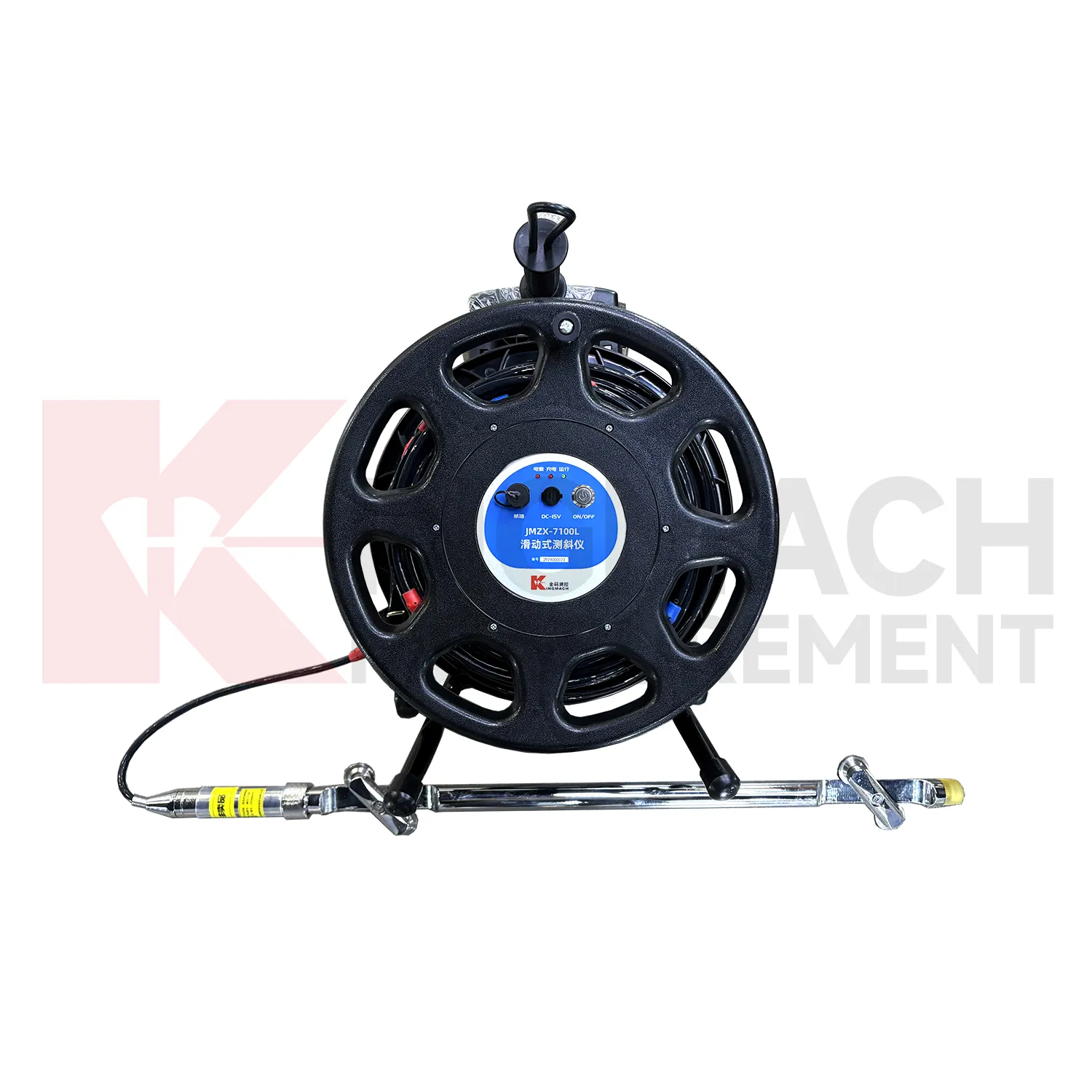
Future Kingmach vibration data loggers will support cleaner integration between portable field checks and automatic data logging. A technician may verify a sensor with a handheld readout, then connect the same point to a logger for routine acquisition. The future workflow should keep these records aligned through consistent channel names, sensor identities, time stamps, and handover notes. This helps owners compare first values, commissioning checks, maintenance readings, and automatic trends without rebuilding the record manually. Better continuity will reduce confusion when projects move from installation to long-term operation. Future systems can also keep the first verified reading beside the later automatic trend. If a sensor is repaired, replaced, or moved, the handover note can show where the continuity changed. This will help owners understand whether a trend shift came from the monitored structure, the sensor point, or the acquisition setup. This continuity is especially useful when commissioning records must remain comparable with long-term operation data.
Care & Maintenance of vibration data loggers
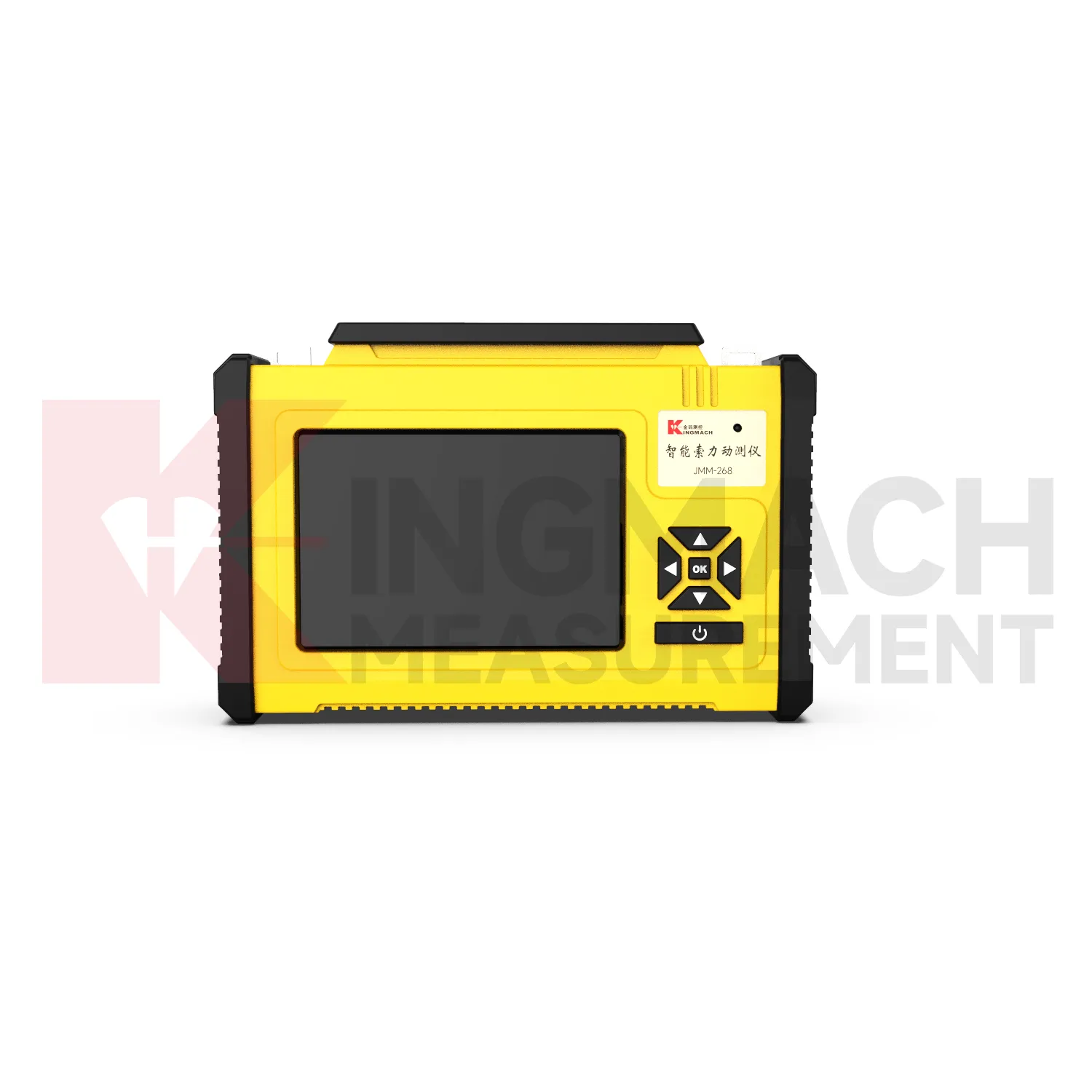
Connector and cable maintenance protects Kingmach vibration data loggers from field faults. Acquisition equipment may be used in wet galleries, slopes, tunnels, bridge decks, or construction areas where cables can be pulled, crushed, corroded, or mislabeled. Inspect connectors, glands, terminals, grounding, cable strain relief, and enclosure seals. A small connection problem can look like a sensor fault or a sudden structural change. After cleaning, rewiring, or replacing a cable, save a note with the channel name and first normal reading. This keeps troubleshooting history visible. Cable routes should also be checked after excavation, concrete work, traffic control, or equipment movement. If a connector is wet or a cable label is missing, the affected channel should be marked before the data is used in a report. Clear cable notes help the next technician find the same point quickly and reduce repeated diagnosis on future visits. This is especially useful when several sensor types share one acquisition box or cabinet.
Kingmach vibration data loggers
For Kingmach vibration data loggers, usability in the field is as important as acquisition capability. A device may be technically capable, but it still needs clear operation, readable display, secure connectors, stable power, and a practical method for exporting data. Field crews often work in tunnels, slopes, bridge decks, dam galleries, or construction zones where time and access are limited. A well-planned readout or logger reduces repeated site visits because the operator can confirm the point, store the record, and move on with confidence. This is especially useful when many sensors must be checked in one inspection round. Field usability also depends on small details: charged batteries, clean connectors, readable screen prompts, clear file names, and enough storage before the route begins. When those basics are ready, technicians can spend their time checking sensors instead of troubleshooting the instrument. during each site visit. without avoidable delay. for crews. on site safely. consistently.
FAQ
Q: What are Readouts & Data Loggers used for?
A: They collect, display, store, and transfer sensor readings so engineering teams can review monitoring data from structural, geotechnical, and industrial projects.
Q: How are readouts different from data loggers?
A: Readouts are often used for field checking and portable measurement, while data loggers support automatic acquisition, scheduled records, and longer monitoring periods.
Q: Which sensors can be connected?
A: The category can support vibrating wire sensors, digital RS485 sensors, temperature points, dynamic signals, strain instruments, displacement sensors, tilt sensors, and other monitoring devices depending on the model.
Q: Why is channel naming important?
A: Clear channel names connect each reading with the correct sensor, location, structure, and review purpose, which prevents confusion during reporting and handover.
Q: What should be checked before purchase?
A: Buyers should define sensor type, channel count, acquisition interval, power supply, communication method, storage needs, site access, and reporting workflow.
Reviews
Ryan Lewis
Fast delivery and excellent product quality. The accelerometers and tiltmeters are highly reliable. Strongly recommend this company.
Daniel Brown
Excellent environmental monitoring sensors. The data is consistent, and the system integrates smoothly with our existing setup.
Latest Inquiries
To protect the privacy of our buyers, only public service email domains like Gmail, Yahoo, and MSN will be displayed. Additionally, only a limited portion of the inquiry content will be shown.
Evelyn***@gmail.comSouth Africa
Hi, we are a contractor working on tunnel construction and need settlement sensors and displacement ...
Isabella***@gmail.comGermany
Hello, we are evaluating weir flow meters for a water management project. Please share accuracy deta...
Related product categories
- Dynamic Strain Data logger(VW)
- Integrated Comprehensive Acquisition Module
- Wireless Data Logger (low power consumption design)
- Data Loggers
- jointmeters
- Communication Systems
- Software Platform
- Survey Equipment
- Data management software
- Monitoring Software Suite
- Groundwater modeling software
- Data Acquisition Systems