
 EN
EN
 ar
ar bg
bg hr
hr cs
cs da
da nl
nl fi
fi fr
fr de
de el
el hi
hi it
it ko
ko no
no pl
pl pt
pt ro
ro ru
ru es
es sv
sv tl
tl iw
iw id
id lv
lv lt
lt sr
sr sk
sk sl
sl uk
uk vi
vi et
et hu
hu th
th tr
tr fa
fa ms
ms hy
hy ka
ka ur
ur bn
bn mn
mn ta
ta kk
kk uz
uz ku
ku
wireless tiltmeters
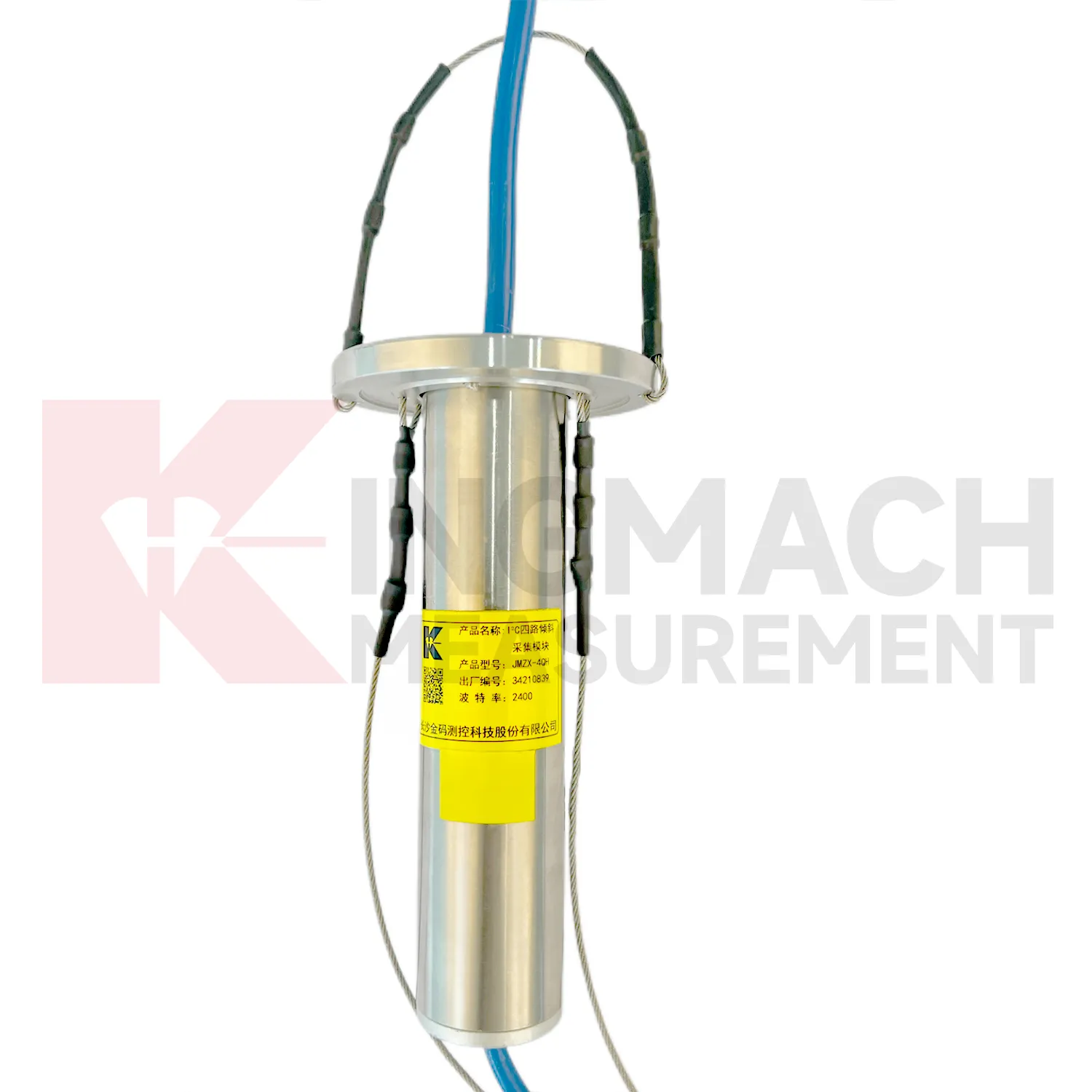
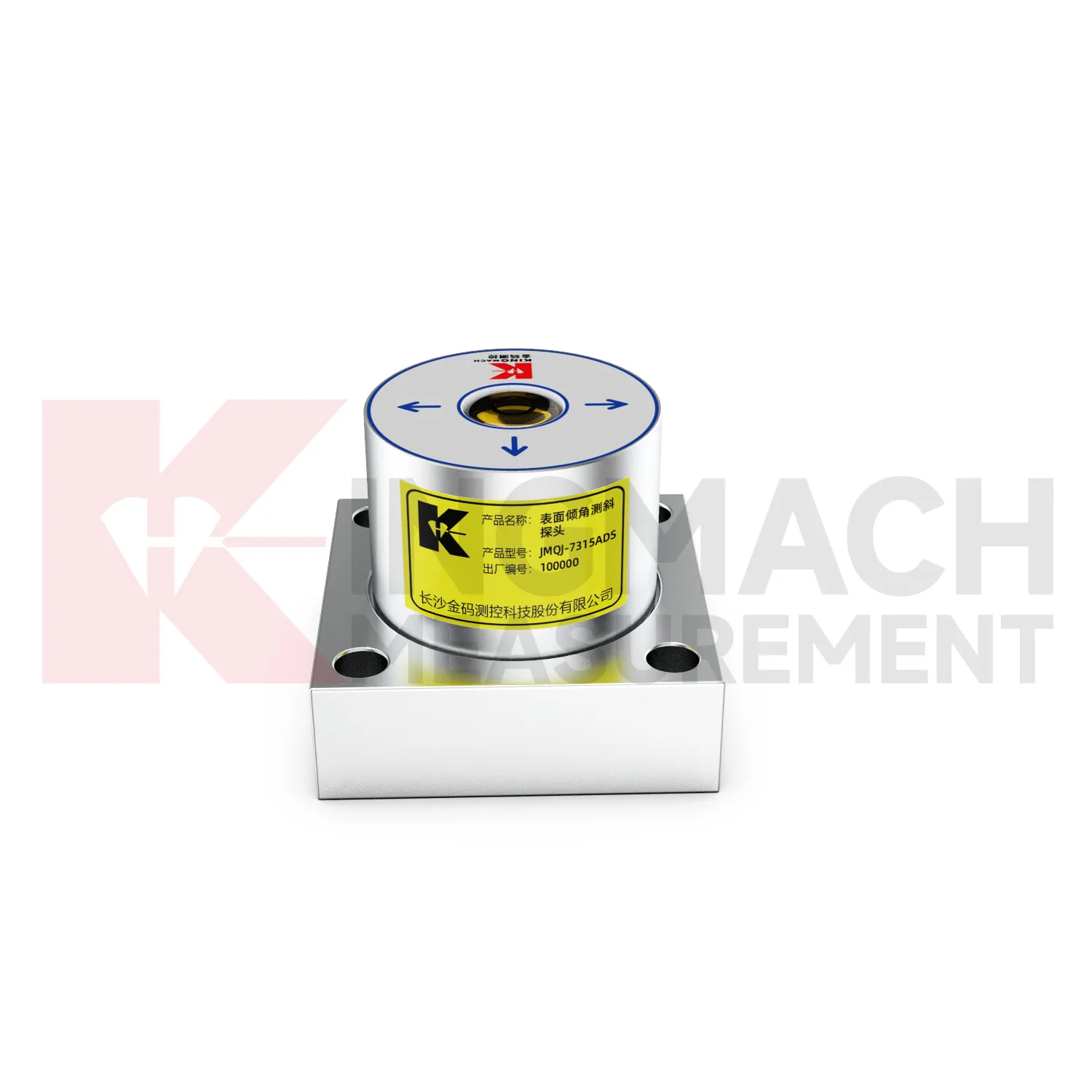
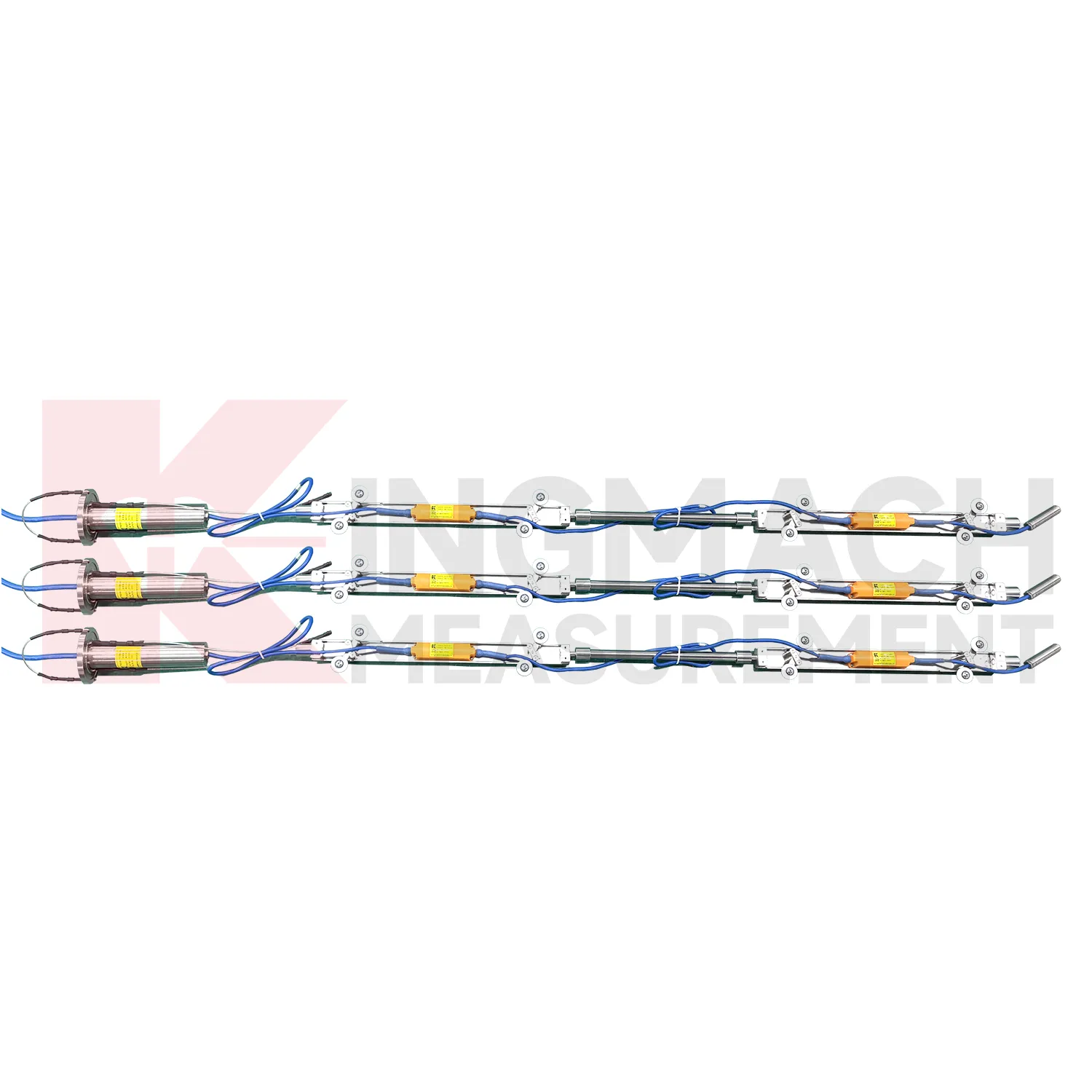
The delivery and installation form of Kingmach wireless tiltmeters depends heavily on the product type. JMQJ-7315ADS and JMQJ-7315RTU are fixed sensors mounted to a structural surface or instrument base. JMQJ-7915ATS can be pre-assembled at the factory with bodies, cables, universal joints, extension rods, suspension, and acquisition unit according to designed measurement point spacing. JMZX-7100L is a sliding probe system used with inclinometer casing for field readings. JMZX-4QH is placed near the inclinometer tube orifice for protected acquisition. These physical differences affect packaging, installation labor, drawings, acceptance checks, and future maintenance. A clear acceptance file should include model, serial number, point location, borehole depth, axis direction, communication setting, first stable reading, and photographs before the area is closed or returned to service.
Application of wireless tiltmeters
Port and underground construction projects use wireless tiltmeters to follow soil movement, retaining structures, and deep displacement where surface survey alone is limited. JMZX-7100L is described for port engineering and underground construction projects, with Bluetooth communication, APP reading, large storage, and post-processing software. The sliding probe method is useful when engineers need a deformation profile along an inclinometer casing rather than one fixed surface angle. Field crews should keep casing ID, depth interval, probe orientation, reading direction, groundwater condition, and operator notes consistent. Data can then be compared with excavation, dredging, surcharge loading, pile work, or retaining wall movement. Good field discipline prevents a profile change from being confused with probe handling differences.
The future of wireless tiltmeters
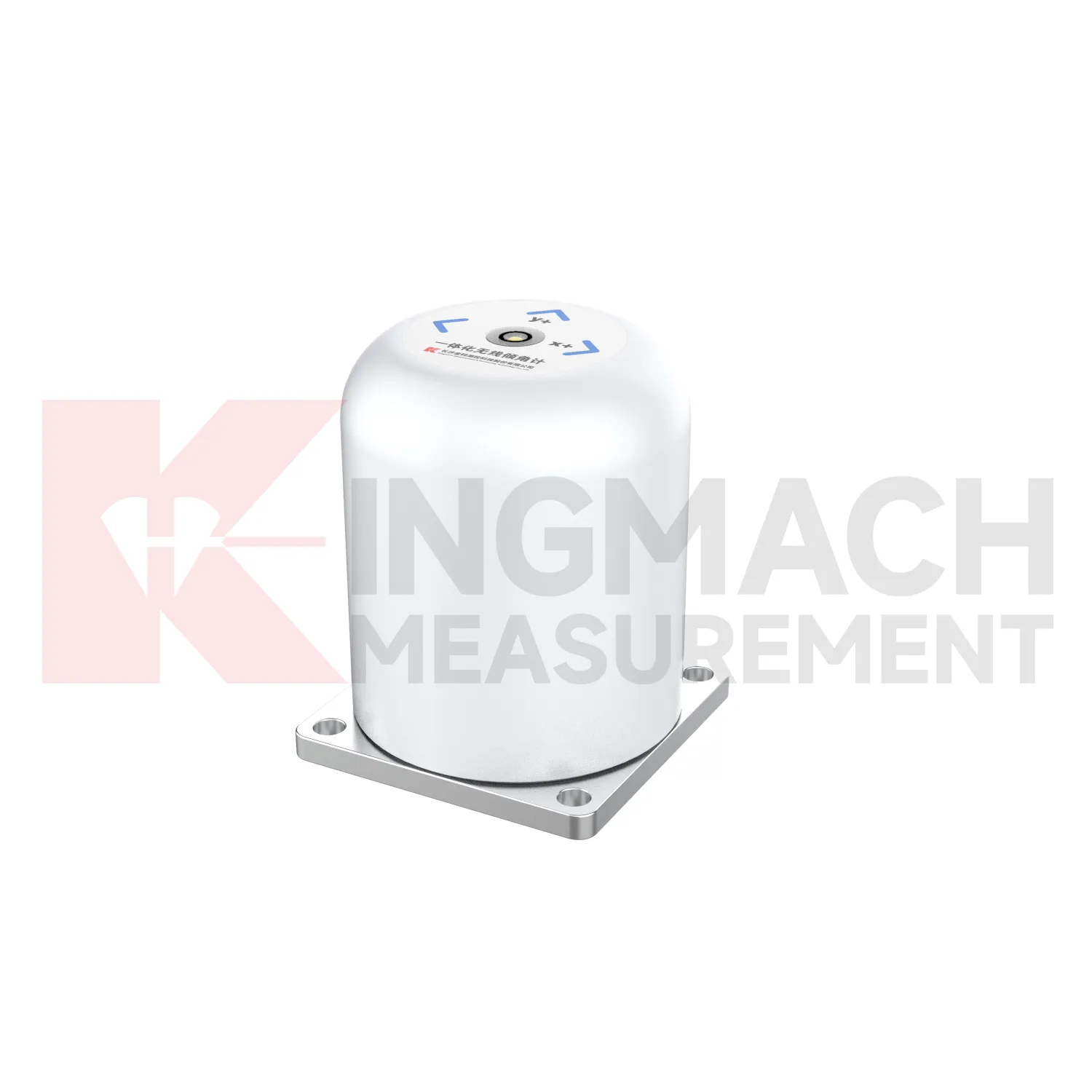
Wireless monitoring will play a larger role in future wireless tiltmeters projects. JMQJ-7315RTU already combines MEMS tilt sensing with 4G digital output and battery power, which helps when cable routes are long, exposed, or disruptive. Future projects will likely use wireless tilt points on bridges, buildings, slopes, towers, and temporary construction structures where fast deployment matters. Wireless work still needs disciplined planning: antenna location, sampling interval, battery status, data upload timing, and fallback field checks must be defined. The best wireless tilt record will not simply send more data; it will send the right data with enough context for engineers to understand what changed, when it changed, and whether the site needs inspection.
Care & Maintenance of wireless tiltmeters
Data review is part of maintaining wireless tiltmeters. A curve should be checked for rate, direction, sudden jumps, missing values, repeated flatlines, and disagreement with nearby instruments. Compare tilt with settlement, displacement, strain, load, pore pressure, rainfall, vibration, and water level when available. For automated systems, verify channel names, units, time stamps, and alarm thresholds after platform changes. For manual readings, keep raw field notes and processed graphs together. If an alarm appears, inspect the mounting point, communication path, recent site work, and related instrument behavior. A good maintenance process treats data quality and field condition as one record, not two separate tasks.
Kingmach wireless tiltmeters
A well planned Kingmach wireless tiltmeters installation starts with the engineering question, not with the sensor model. Is the project checking bridge pier rotation, building tilt, retaining wall movement, slope depth deformation, railway foundation behavior, or underground construction response? The answer determines whether a fixed biaxial tiltmeter, wireless integrated unit, sliding inclinometer, vertical in-place string, or acquisition module is required. It also determines where the reference direction should be marked, how often readings are taken, and what warning level means. Product parameters such as +/-15 degrees, +/-30 degrees, +/-90 degrees, 0.001 degree resolution, RS485, 4G, Bluetooth, IP68, IP67, and operating temperature should be linked to that project question. Clear planning keeps tilt monitoring useful throughout installation, commissioning, operation, and later review.
FAQ
Q: How accurate is the JMQJ-7315ADS tiltmeter?
A: The product page lists 0.001 degree resolution and 0.01 degree accuracy for the +/-15 degree dual-axis model.Q: What protection grade does JMQJ-7315ADS have?
A: It is listed with IP68 waterproof protection and an operating environment from -30 degrees Celsius to +80 degrees Celsius.Q: What range does JMQJ-7315RTU provide?
A: The integrated wireless model lists +/-30 degree and +/-15 degree dual-axis range options, with 0.001 resolution.Q: How many sensors can JMZX-4QH support?
A: The module lists four channels and support for up to 100 sensors in a multi-point inclinometer system.Q: What is the guide wheel spacing for JMZX-7100L?
A: The sliding inclinometer page lists a 500 mm guide wheel spacing reference and a +/-90 degree sensor range.
Reviews
James Thompson
The tiltmeters and accelerometers are very sensitive and provide precise data. Perfect for our structural health monitoring system.
David Wilson
We purchased displacement transducers and settlement sensors, and the quality exceeded our expectations. Easy installation and reliable performance.
Latest Inquiries
To protect the privacy of our buyers, only public service email domains like Gmail, Yahoo, and MSN will be displayed. Additionally, only a limited portion of the inquiry content will be shown.
Emma***@gmail.comCanada
Dear Sir/Madam, we are interested in displacement transducers and settlement sensors for a geotechni...
Harper***@gmail.comIndia
Dear Sir, we are planning to procure a complete monitoring system including strain gauges, tiltmeter...