
 EN
EN
 ar
ar bg
bg hr
hr cs
cs da
da nl
nl fi
fi fr
fr de
de el
el hi
hi it
it ko
ko no
no pl
pl pt
pt ro
ro ru
ru es
es sv
sv tl
tl iw
iw id
id lv
lv lt
lt sr
sr sk
sk sl
sl uk
uk vi
vi et
et hu
hu th
th tr
tr fa
fa ms
ms hy
hy ka
ka ur
ur bn
bn mn
mn ta
ta kk
kk uz
uz ku
ku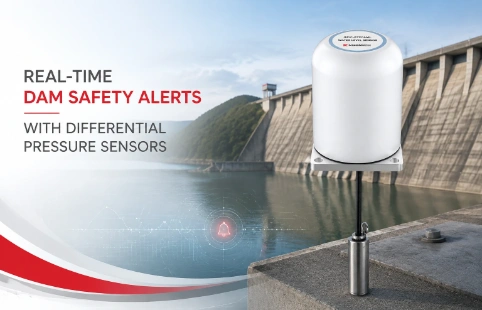
Real-Time Dam Safety Alerts with Differential Pressure Water Level Sensors
Key Takeaways An alert chain needs more than a sensor: define field in...

Differential Water Level Gauge: When Small Differences Matter
If you’ve ever had to track seepage rates in an embankment or monitor differential head across a dam, you know that standard water level sensors don’t always cut it. A tiny error in level measurement can throw off pore pressure calculations and skew safety assessments. That’s where a differential water level gauge comes in – it directly measures the difference between two points, eliminating many common-mode errors. Kingmach builds these instruments for long-term field use, with attention to temperature compensation and mechanical stability. We supply to geotechnical firms, dam operators, and research institutions that need repeatable, drift-free readings over months or years. Whether you’re instrumenting a new concrete dam, checking tailings pond leakage, or running a lab experiment on soil consolidation, having the right differential gauge makes the data trustworthy. And in our experience, the simpler the installation and the tougher the housing, the less time you spend nursing sensors and the more time you spend on actual analysis.
Technical Detail
A differential water level gauge works by comparing the hydrostatic pressure at two submerged points. One side acts as the reference, the other as the measurement point. The sensor element – typically a precision differential pressure transducer – outputs a signal proportional to the water level difference. At Kingmach, we focus on making this measurement chain reliable in real-world conditions. The stainless steel body stands up to most natural waters, and the internal temperature compensation keeps readings stable even when surface water warms up during the day. You can connect the gauge to standard dataloggers via a 4-20 mA loop or RS485, which suits most field monitoring setups. We also pay attention to the small things: the cable entry is sealed against humidity, and each unit comes with a calibration sheet that logs its performance over the rated range. Because many projects need specific ranges – from a few centimeters for settlement tanks to several meters for upstream-downstream dam monitoring – we can adjust the span during production. Customers often ask about the risk of biofouling or sediment clogging; we recommend periodic flushing and, if needed, a stilling well arrangement. Kingmach’s support team can walk you through typical mounting geometries for weirs, flumes, or boreholes. In terms of data quality, differential measurement naturally cancels out barometric pressure changes, so you skip the extra barometer and data correction steps that absolute sensors need. That simplicity saves time during commissioning and reduces potential failure points. If your application demands an intrinsically safe version or special cable lengths, we can usually accommodate that without long lead times. For anyone who’s dealt with sensor drift in long-term monitoring, a well-built differential water level gauge is one of those tools that quietly earns its place in the toolkit.
News
Key Takeaways An alert chain needs more than a sensor: define field in...
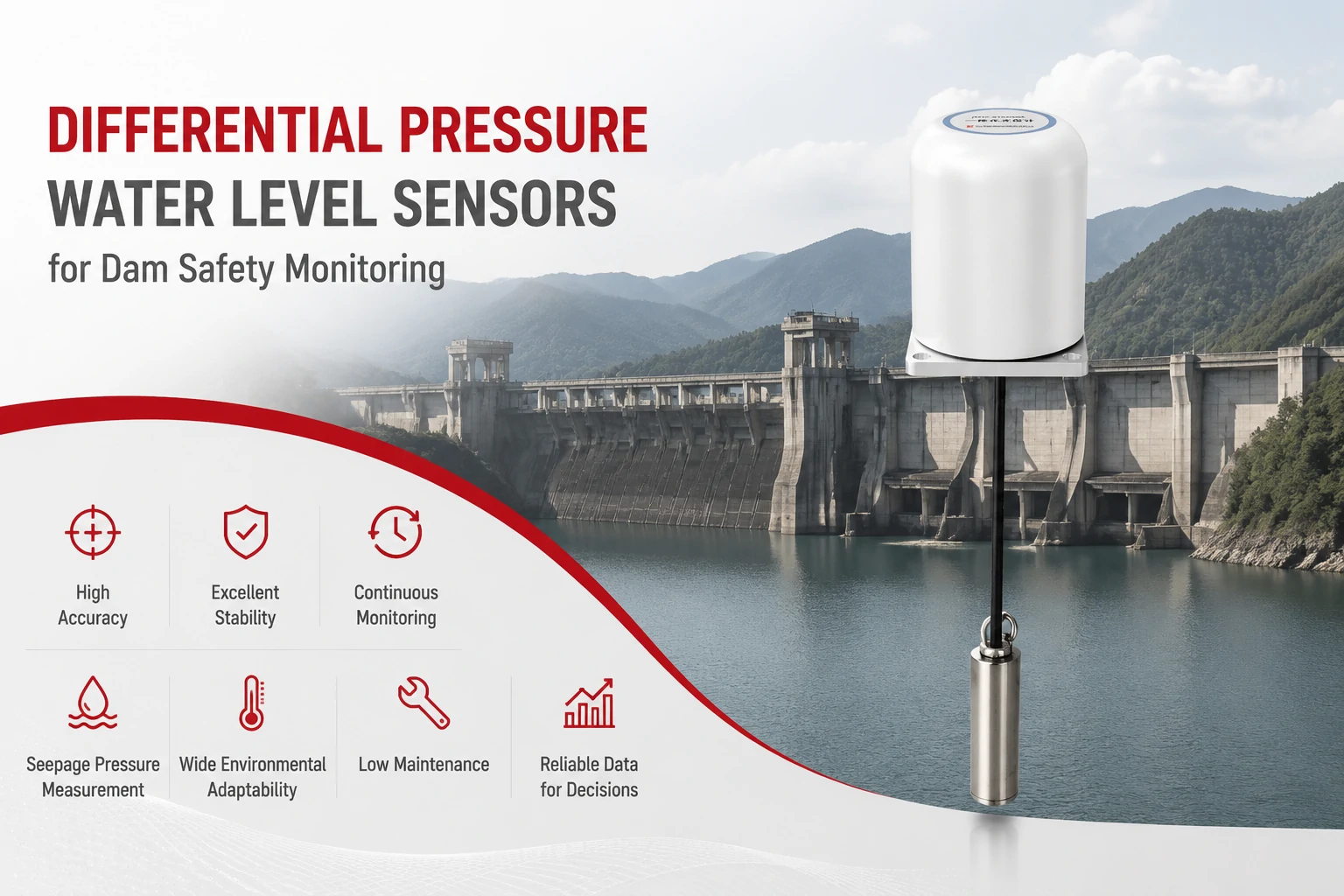
Key Takeaways The strongest fit is usually a confined, submerged, or s...
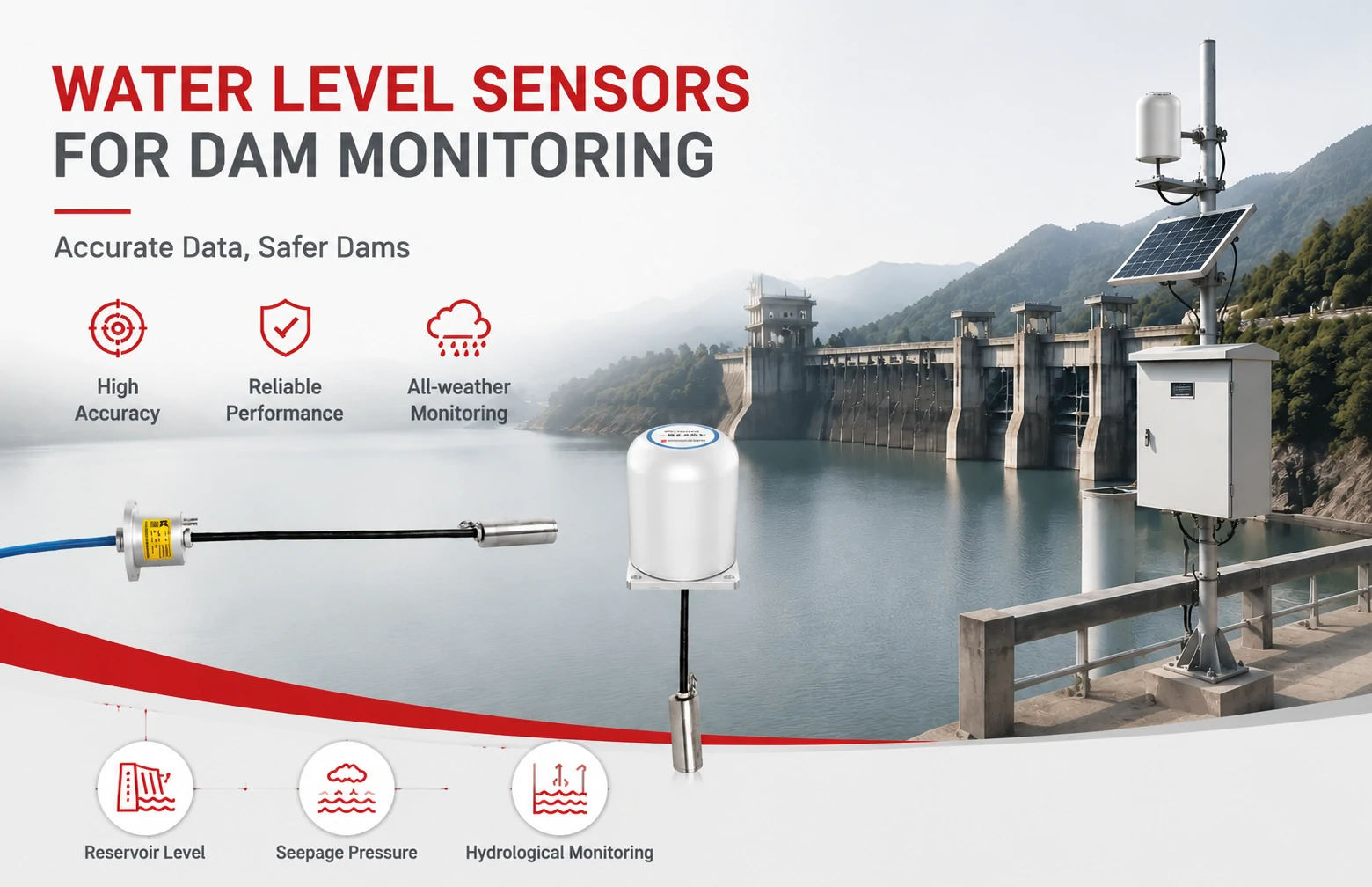
Kingmach Water Level Sensors for Dam Monitoring: A Buyer's Guide to Differential Pre...
Products
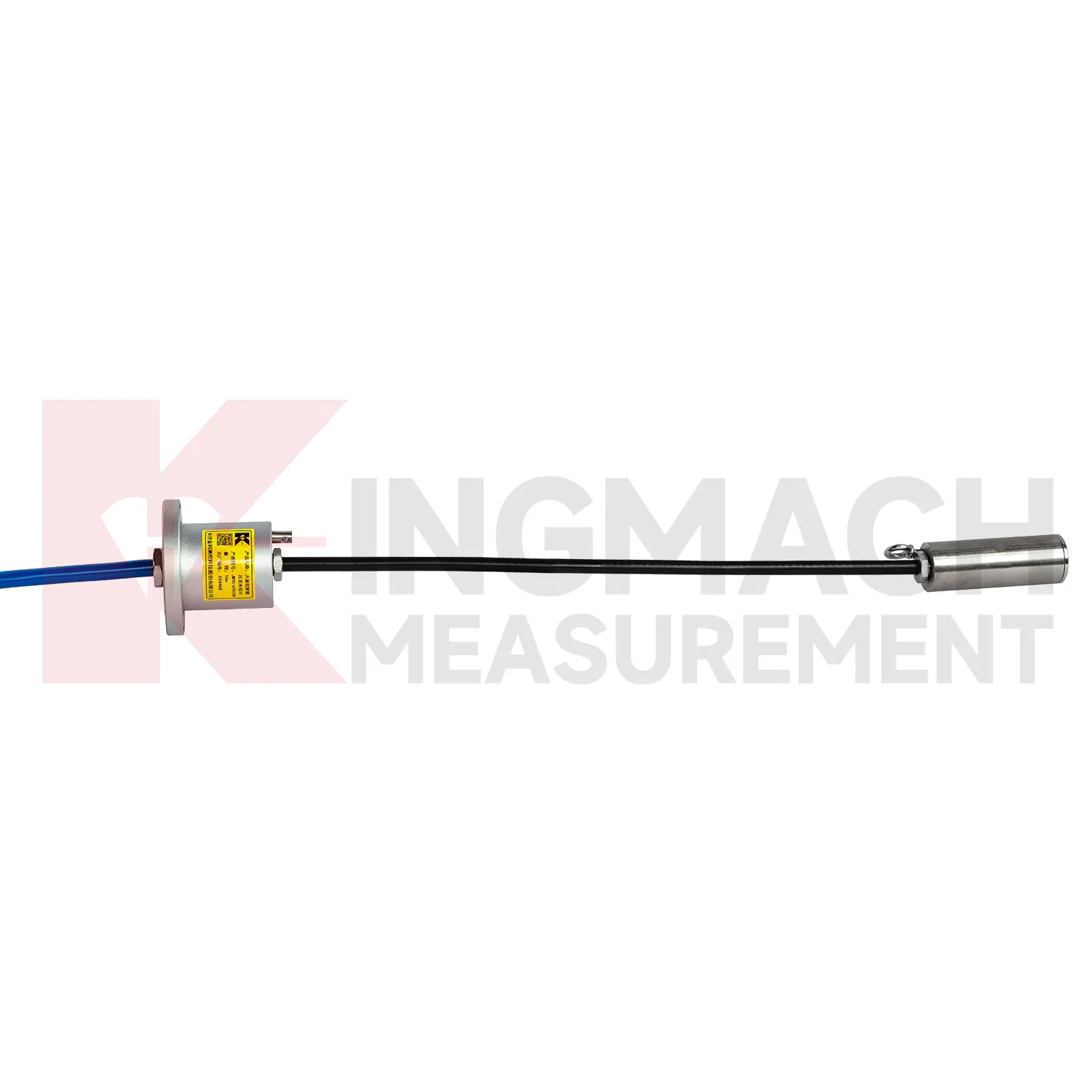
Wide-Range Smart Differential Pressure Water Level Meter JMYC-67XXAD
View Details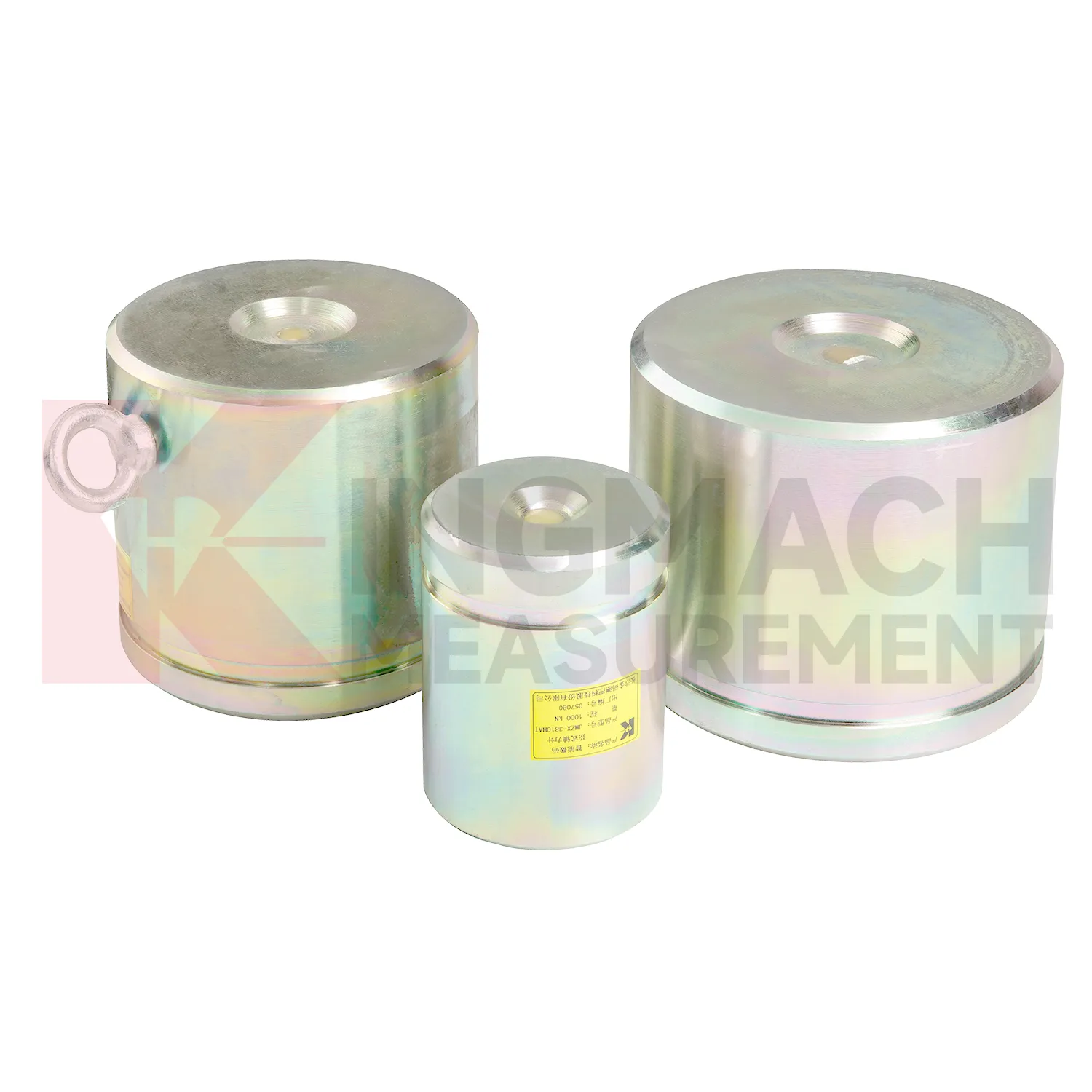
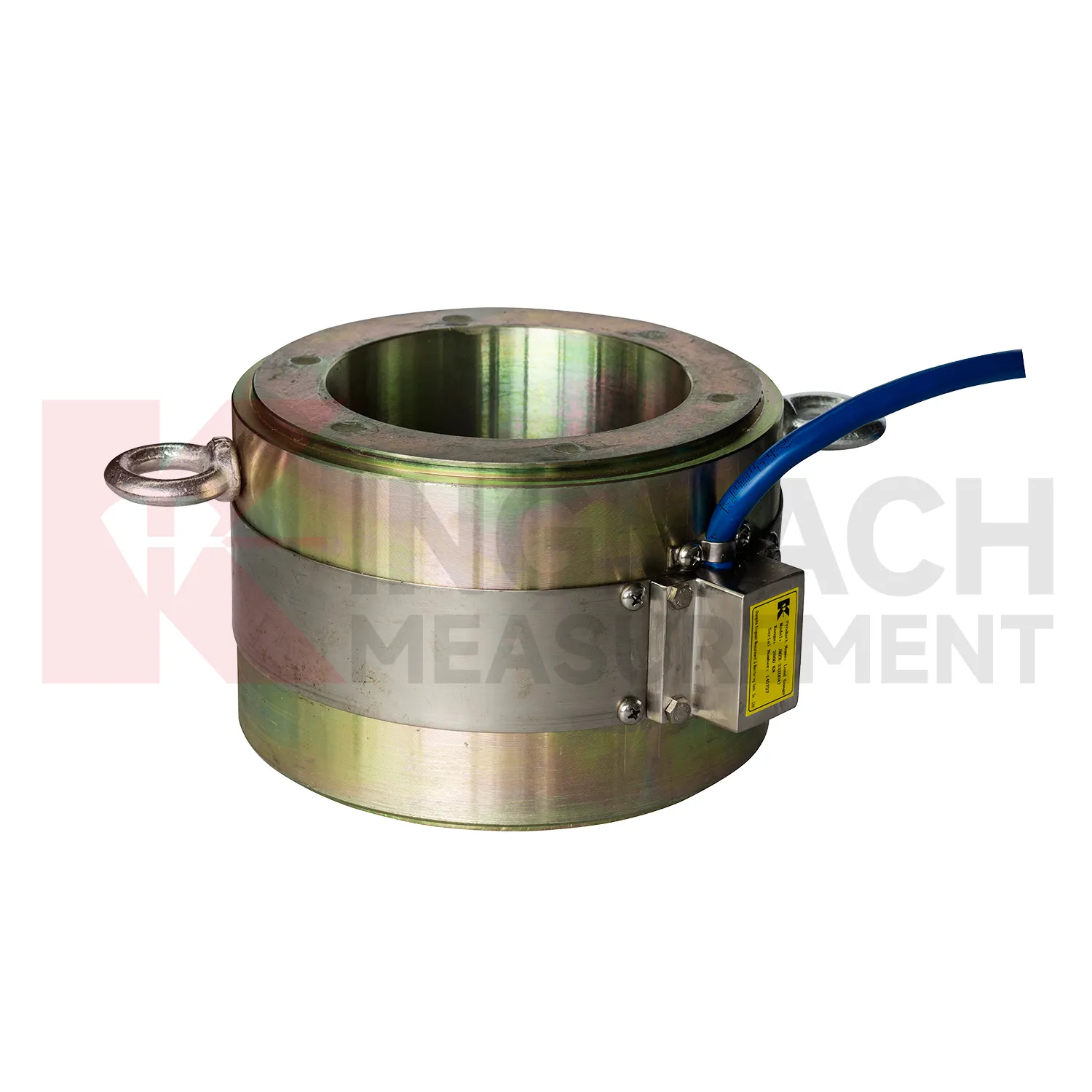
Axial Force Load Meter ( VW & Smart Type)JMZX-38XXHAT
View DetailsFAQ
With two separate sensors you have to subtract their readings, which means you also subtract any individual drift, offset, or calibration error. A differential gauge directly senses the pressure difference through a single diaphragm or sensor element. The result is cleaner data, especially for small water level differences where common-mode errors can overwhelm the signal you actually care about.
Start with the maximum expected head difference under worst-case conditions, then add about 20% margin. If you’re monitoring a weir with 50 cm typical head and occasional flood conditions to 80 cm, a 1 m range makes sense. Kingmach can supply units from very low ranges (e.g., 0-100 mm water column) up to several meters, but the physical housing and response time can change at the extremes, so talk it through with our engineers.
The standard stainless steel housing handles mild salinity and typical river water fine. For aggressive environments like saltwater or acidic mine drainage, we can offer alternative wetted materials or coatings. It’s best to specify the water chemistry when ordering so we confirm compatibility and avoid premature corrosion.
Most units ship with 4-20 mA or digital RS485 (Modbus RTU). Both connect easily to popular dataloggers from Campbell Scientific, Geokon, or our own Kingmach readout units. We can also provide SDI-12 output if needed. Power consumption is low enough for solar-powered remote stations.
We recommend an annual calibration check if budgets allow, but in stable conditions many units stay within spec for two years or more. Maintenance usually means making sure the sensing ports aren’t buried in silt. Simple onsite checks like comparing the reading to a staff gauge can tell you if everything is healthy.
Share your product type, target capacity, and application requirements. Our team can review the details and recommend a practical next step.
If you are interested in our products or want to become our partner.
Please leave your contact information, our team will contact you as soon as possible.
Mail: [email protected]
Contact Us: +8613808434127
Address: No. 188 Tongzipo West Rd, Changsha, Hunan, China