
 EN
EN
 ar
ar bg
bg hr
hr cs
cs da
da nl
nl fi
fi fr
fr de
de el
el hi
hi it
it ko
ko no
no pl
pl pt
pt ro
ro ru
ru es
es sv
sv tl
tl iw
iw id
id lv
lv lt
lt sr
sr sk
sk sl
sl uk
uk vi
vi et
et hu
hu th
th tr
tr fa
fa ms
ms hy
hy ka
ka ur
ur bn
bn mn
mn ta
ta kk
kk uz
uz ku
ku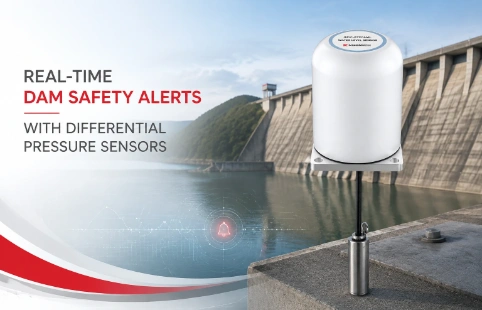
Real-Time Dam Safety Alerts with Differential Pressure Water Level Sensors
Key Takeaways An alert chain needs more than a sensor: define field in...

Inclinometer-Based Hydrostatic Leveling System: How It Works
Most settlement monitoring projects still rely on manual readings or complex setups that eat up time and invite errors. An inclinometer-based hydrostatic leveling system changes that. It uses a network of interconnected liquid-filled vessels, each equipped with a precise inclinometer, to track relative elevation changes across multiple points—continuously and without operator intervention. At Kingmach, we assemble these systems around robust, field-tested sensors and modular components that adapt to site geometries ranging from subway tunnels to dam crests. The core idea is simple: a tilt sensor inside each vessel measures tiny angular shifts caused by liquid level changes, and a central logger converts those readings into settlement or heave data. Because the principle is differential and referenced to a stable datum point, the system filters out temperature and barometric noise more effectively than many stand-alone pressure transducers. This makes it a practical fit for long-term structural health monitoring, where repeatability and low drift matter more than lab-grade absolute accuracy.
Technical Detail
Kingmach’s inclinometer-based hydrostatic leveling system is built around high-resolution MEMS inclinometers paired with durable stainless steel vessels. Each vessel connects via liquid-filled tubing, creating a common reference plane that eliminates the line-of-sight constraints of optical surveys. The inclinometers report angular data with typical repeatability better than a few arc-seconds, which translates to sub-millimeter settlement resolution over spans of 50 meters or more. Setup is straightforward: mount the vessels at monitoring points, daisy-chain the communication cables, and power the system through a single data logger. The logger handles auto-ranging, temperature correction, and data storage, and it can push readings to a cloud platform via 4G or LoRa. From a project perspective, this means faster installation compared to traditional precise leveling crews and far fewer access issues on active construction sites. Kingmach offers customization on vessel dimensions, cable lengths, and sensor ranges to match site-specific conditions—whether you need to monitor a bridge pier during adjacent excavation or track differential settlement across a tank farm. We also provide commissioning support and remote diagnostics, so your field team doesn’t have to become sensor experts overnight. The system integrates easily with third-party data management software through Modbus or SDI-12 outputs, keeping your existing workflows intact.
News
Key Takeaways An alert chain needs more than a sensor: define field in...
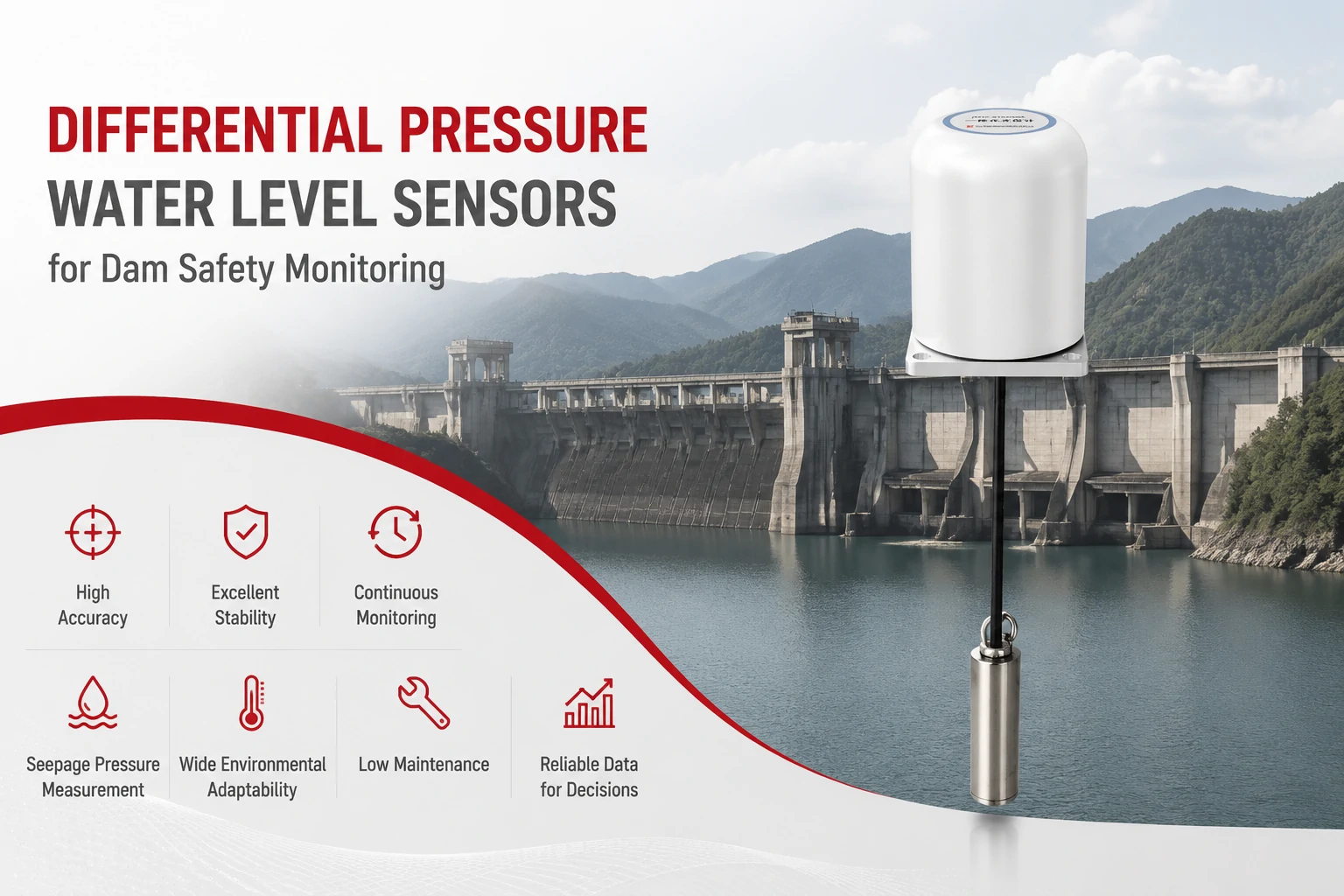
Key Takeaways The strongest fit is usually a confined, submerged, or s...
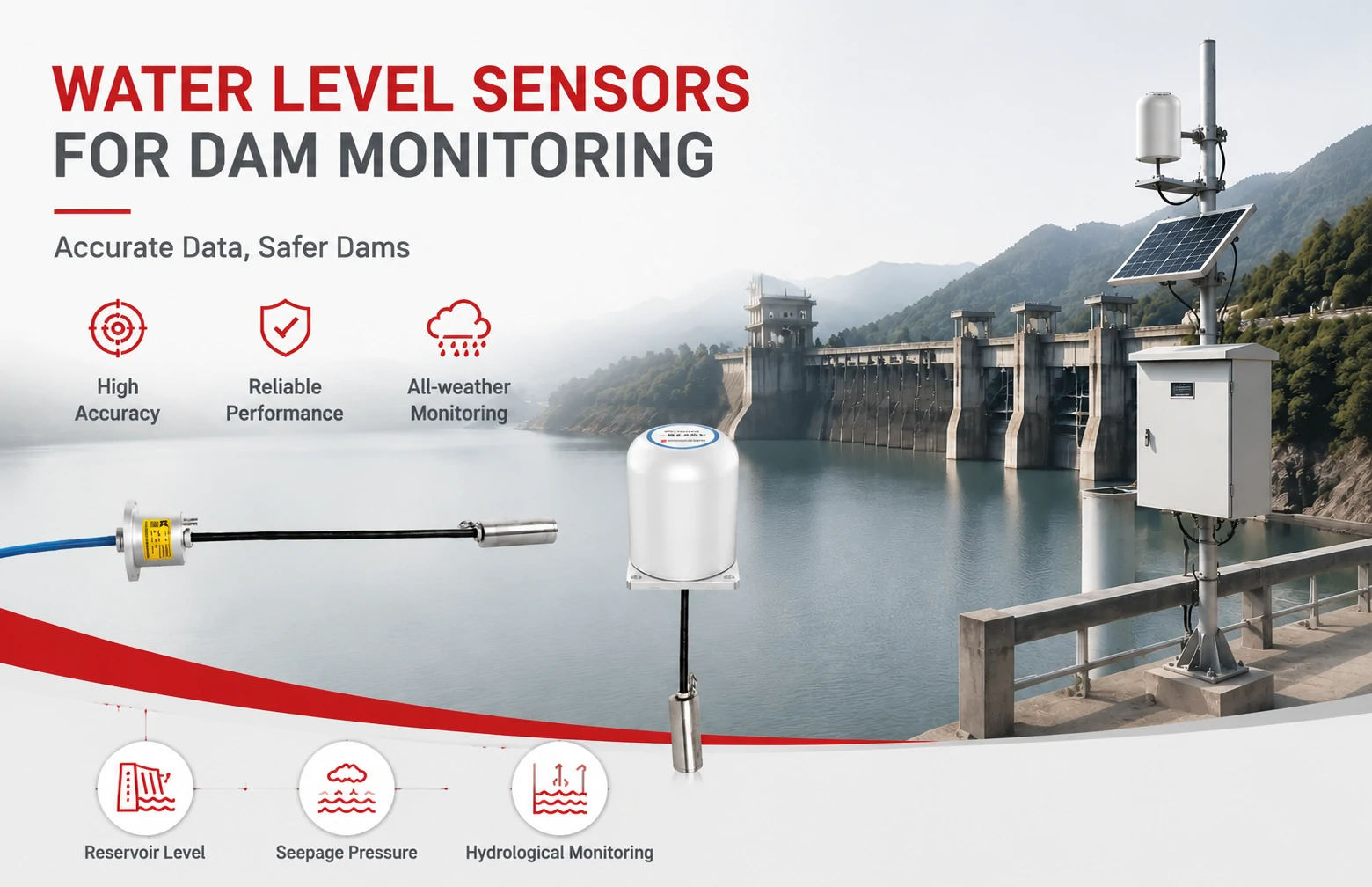
Kingmach Water Level Sensors for Dam Monitoring: A Buyer's Guide to Differential Pre...
Products
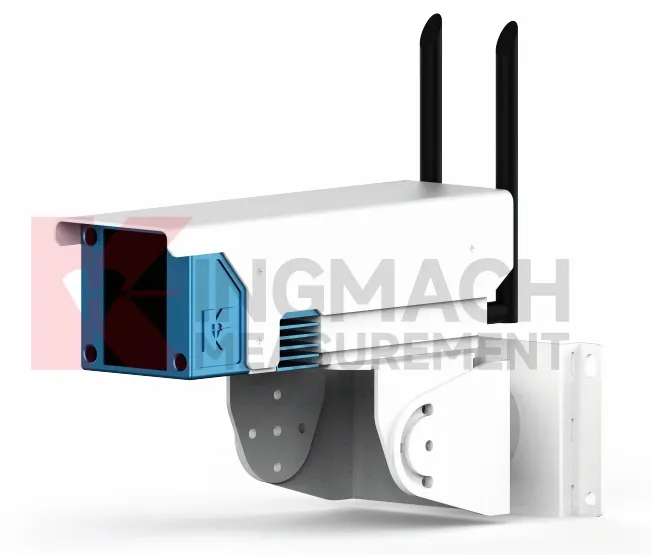
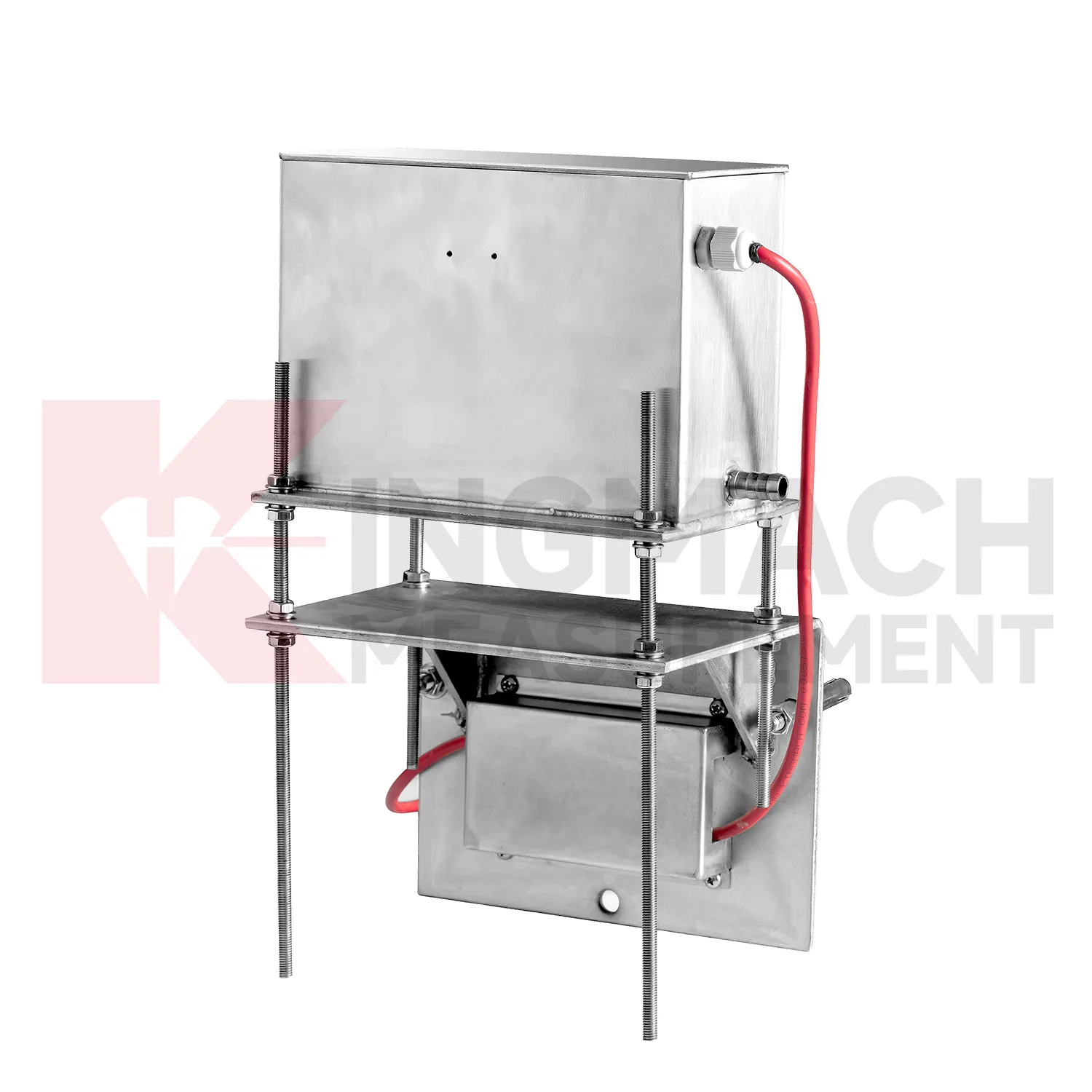
Micro Range Hydrostatic Level Sensor JMQJ-62XXADT
View Details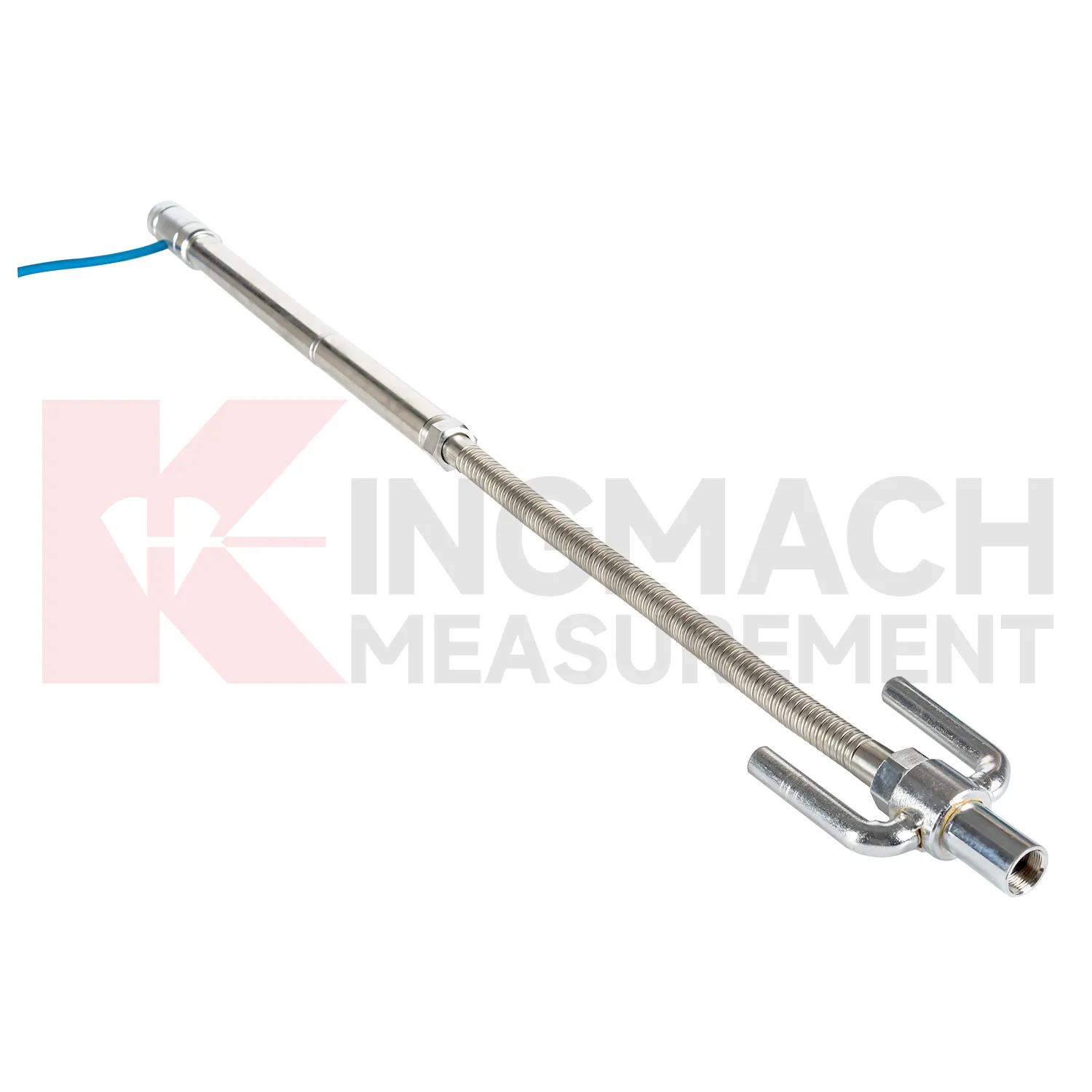
Smart Single-Point Settlement Gauge JMDL-47XXAT
View DetailsFAQ
A standard hydrostatic leveling system typically measures liquid height directly with a pressure sensor or ultrasonic transducer. The inclinometer-based approach measures the tilt of the vessel caused by liquid displacement—think of it as watching the fluid surface tilt rather than trying to gauge its depth. This often gives better long-term stability because inclinometers are inherently differential and less sensitive to slow fluid density changes or minor leaks.
In a well-installed system with temperature-compensated sensors and proper reference points, it’s common to see settlement accuracy around ±0.1 mm over a 100-meter chain. Factors like tube routing, sensor warm-up, and barometric fluctuations do play a role, so we usually recommend a controlled commissioning period where you correlate initial readings with a few manual survey cross-checks.
Not during normal operation. The logger applies real-time temperature corrections based on built-in sensors at each vessel. If your site has extreme thermal gradients—say, one vessel in direct sun and another in shade—we can provide insulated housings or dual-sensor configurations to minimize local errors.
Yes, the key is maintaining continuous liquid columns between vessels. For steep or curved galleries, we use flexible tubing and carefully chosen vessel mounting brackets to keep the liquid paths open. The inclinometer principle only requires that the liquid surface remains free; it doesn’t demand perfectly horizontal runs.
It depends on distance and power availability. For most fixed installations, a wired RS-485 bus is simplest and most reliable. If you have remote locations with no easy cabling, we can supply LoRa radios or 4G gateways. Keep in mind wireless adds latency and battery maintenance, so we usually stick with wired unless the site really demands otherwise. Our support team will help you size the system correctly.
Share your product type, target capacity, and application requirements. Our team can review the details and recommend a practical next step.
If you are interested in our products or want to become our partner.
Please leave your contact information, our team will contact you as soon as possible.
Mail: [email protected]
Contact Us: +8613808434127
Address: No. 188 Tongzipo West Rd, Changsha, Hunan, China