
 EN
EN
 ar
ar bg
bg hr
hr cs
cs da
da nl
nl fi
fi fr
fr de
de el
el hi
hi it
it ko
ko no
no pl
pl pt
pt ro
ro ru
ru es
es sv
sv tl
tl iw
iw id
id lv
lv lt
lt sr
sr sk
sk sl
sl uk
uk vi
vi et
et hu
hu th
th tr
tr fa
fa ms
ms hy
hy ka
ka ur
ur bn
bn mn
mn ta
ta kk
kk uz
uz ku
ku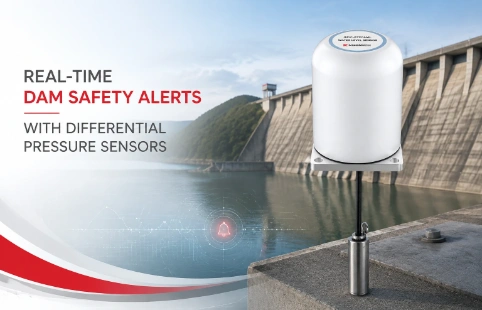
Real-Time Dam Safety Alerts with Differential Pressure Water Level Sensors
Key Takeaways An alert chain needs more than a sensor: define field in...

Singlelayer Shielded Test Cables for Reliable Signal Transmission
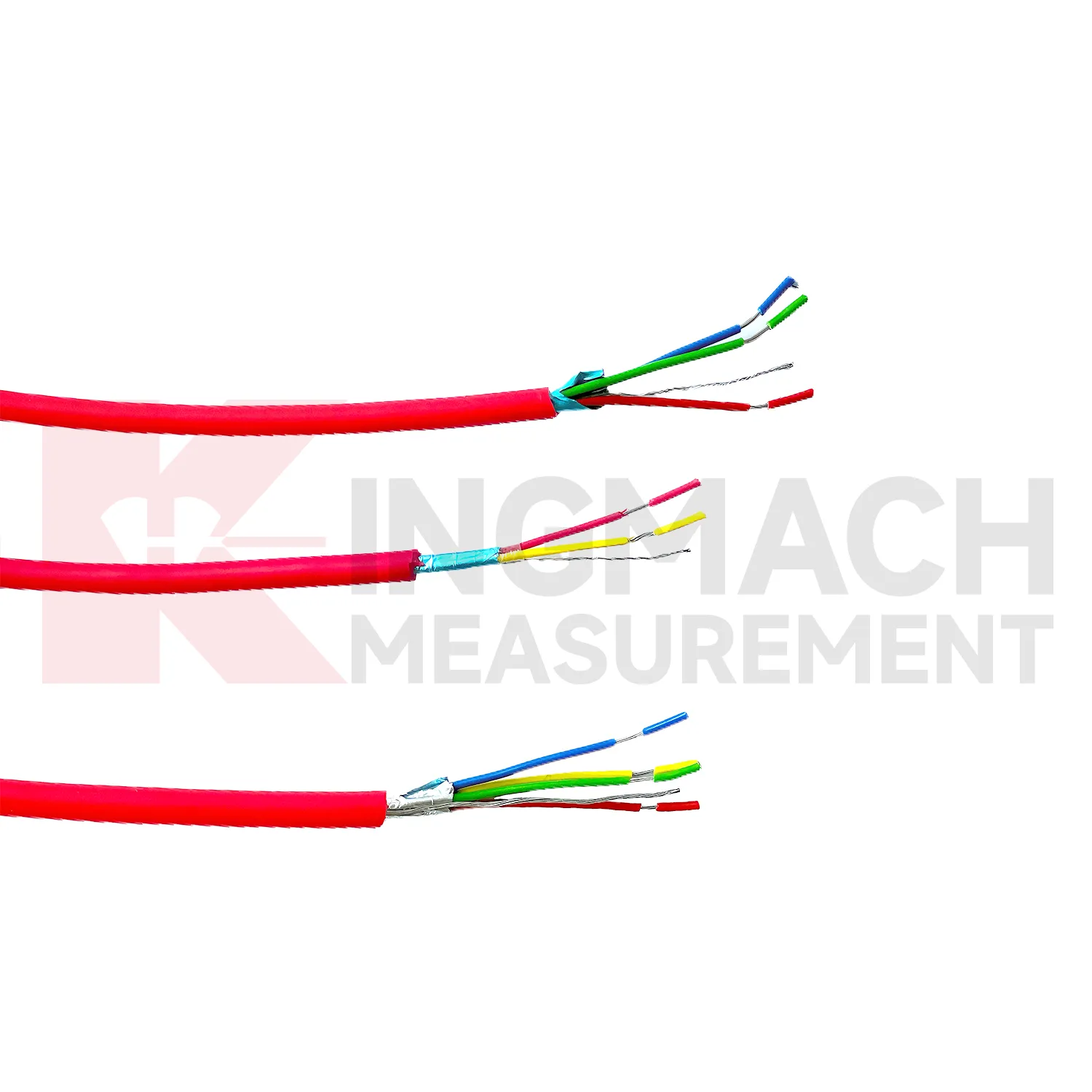
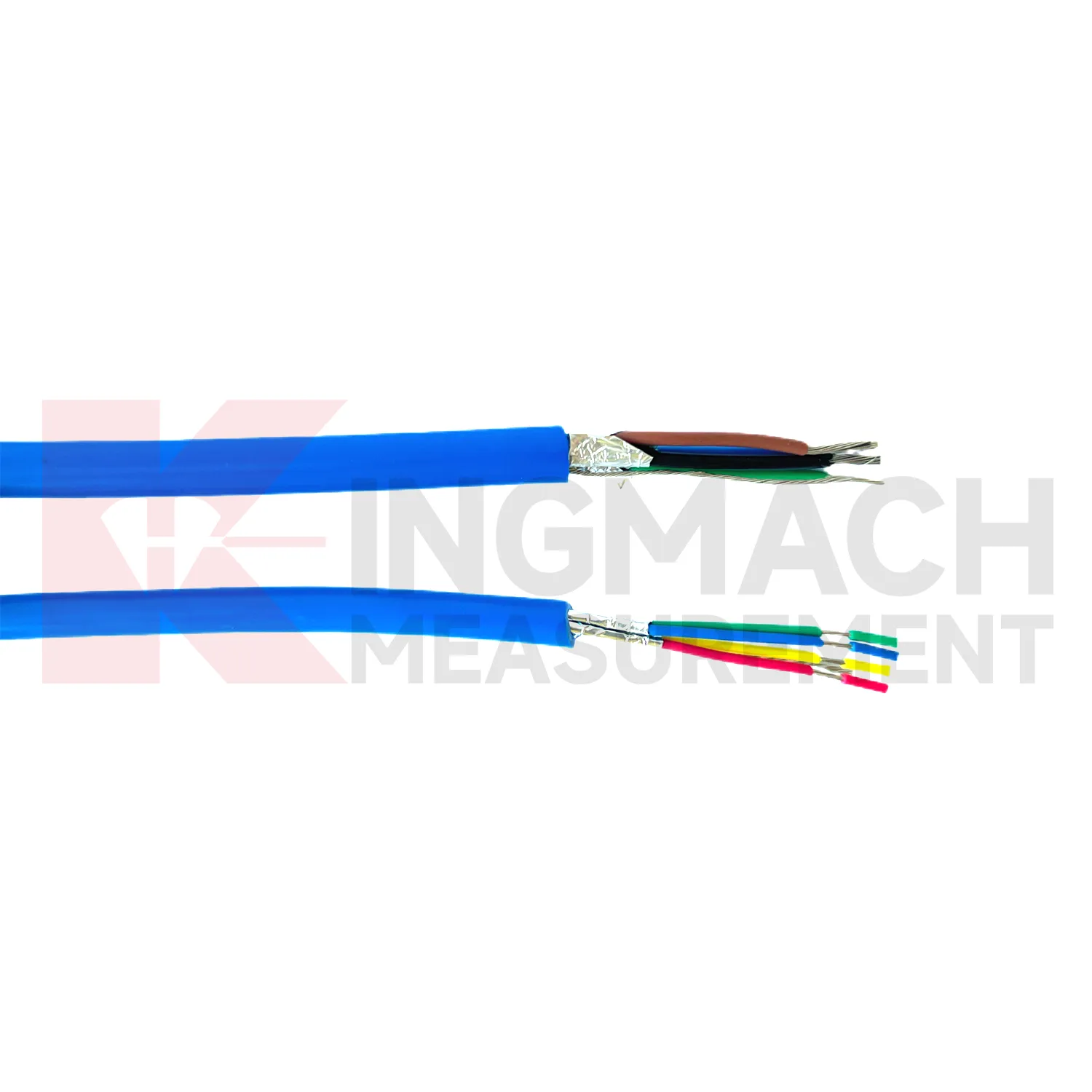
Field monitoring setups often fail because of one overlooked component: the cable connecting the sensor to the logger. A slightly noisy signal or a break midway through a borehole installation can turn weeks of data into guesswork. This is where the singlelayer shielded test cable comes in. It is not just a wire; it is the physical link that preserves the tiny voltage changes from strain gauges, piezometers, or inclinometers. Many engineers choose singlelayer shielding when the environment is electrically quiet and they need to balance performance with a manageable cable diameter. Kingmach, as a manufacturer focused on geotechnical instrumentation, supplies these cables with an understanding of what happens in the trench, the borehole, and the data trailer. The goal is simple: get clean data from the sensor to the readout without adding artifacts. The cable’s construction – conductor, insulation, shield, jacket – each plays a role in surviving field abuse while keeping noise away.
Technical Detail
Most singlelayer shielded test cables follow a practical formula: stranded copper conductors for flexibility, polyethylene or polypropylene insulation for stable capacitance, a tinned copper braid shield with 85–95% coverage, and a tough PVC or polyurethane jacket. The single shield layer blocks electrostatic interference, which is typically enough for strain gauge bridges, vibrating wire sensors, and potentiometric instruments in moderate EMI areas. If the cable runs next to power lines or large motors, a second foil layer might be considered, but for the majority of structural health and geotechnical projects, single shielding hits the right balance. Kingmach supplies these cables in common 4-conductor (full bridge), 6-conductor, and twisted-pair configurations, usually with 22 to 24 AWG conductors. Outer diameters stay under 6 mm, making them easy to route through stuffing boxes and cable glands. Because standard stock rarely fits every project, Kingmach offers cut-to-length orders and can install popular connectors from binder, Hirose, or LEMO. The company’s strength is not in running millions of meters of generic cable; it is in knowing which shielding coverage works with a 0.1 Hz vibrating wire readout versus a 50 kHz dynamic strain measurement. This practical experience means the cable arriving on site has the right conductor resistance, shield bond, and jacket print for the job.
News
Key Takeaways An alert chain needs more than a sensor: define field in...
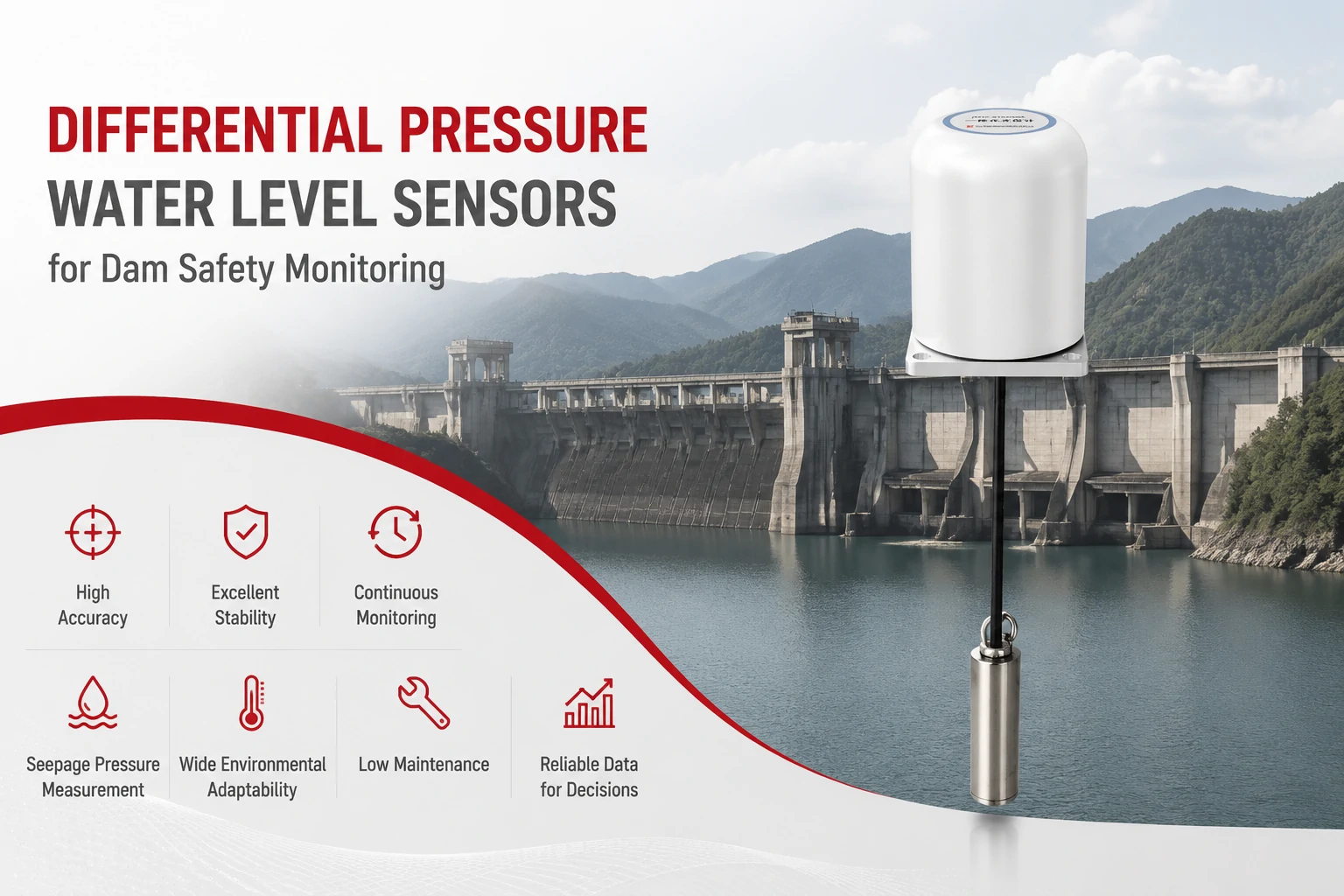
Key Takeaways The strongest fit is usually a confined, submerged, or s...
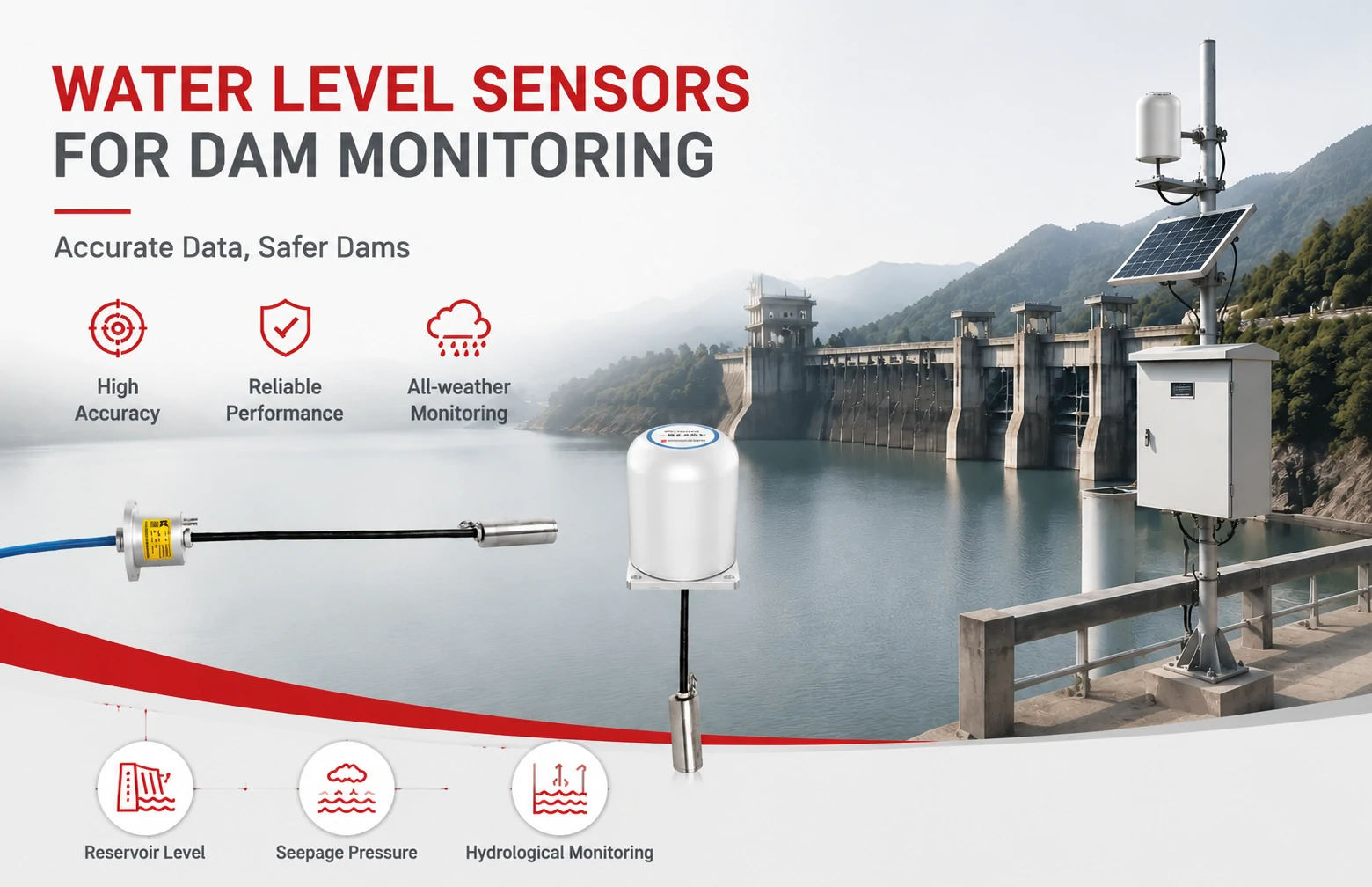
Kingmach Water Level Sensors for Dam Monitoring: A Buyer's Guide to Differential Pre...
Products
FAQ
Strain gauges, vibrating wire piezometers, inclinometers, crack meters, and load cells commonly use them. These sensors output small analog signals that benefit from shielding, but in most borehole or surface setups, the EMI level does not demand full double-shield construction.
Yes, Kingmach can fit standard circular connectors or custom waterproof connectors on one or both ends. Provide your pinout, and we will assemble and test continuity before shipping.
PVC handles general outdoor use well and is cheaper. Polyurethane withstands abrasion, oil, and frequent flexing better, so it is chosen for cable runs that get moved or dragged across rough surfaces. If you are unsure, tell us your installation conditions and we will recommend.
As a rule of thumb, the cable should not be bent tighter than 6–8 times its outer diameter. For a 5 mm cable, that means a 30–40 mm bend radius. Going tighter can kink the shield and create weak spots in the conductors.
We can provide lengths up to 500 meters in one piece. For deeper installs, we recommend confirming the gross weight and pulling tension with your drilling crew beforehand.
Share your product type, target capacity, and application requirements. Our team can review the details and recommend a practical next step.
If you are interested in our products or want to become our partner.
Please leave your contact information, our team will contact you as soon as possible.
Mail: [email protected]
Contact Us: +8613808434127
Address: No. 188 Tongzipo West Rd, Changsha, Hunan, China