
 EN
EN
 ar
ar bg
bg hr
hr cs
cs da
da nl
nl fi
fi fr
fr de
de el
el hi
hi it
it ko
ko no
no pl
pl pt
pt ro
ro ru
ru es
es sv
sv tl
tl iw
iw id
id lv
lv lt
lt sr
sr sk
sk sl
sl uk
uk vi
vi et
et hu
hu th
th tr
tr fa
fa ms
ms hy
hy ka
ka ur
ur bn
bn mn
mn ta
ta kk
kk uz
uz ku
ku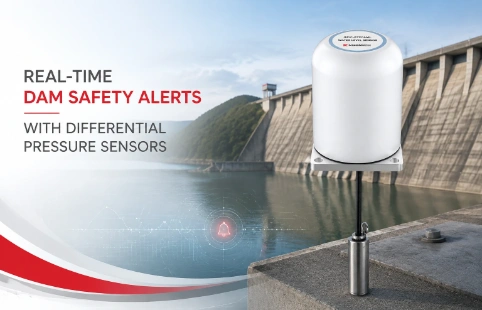
Real-Time Dam Safety Alerts with Differential Pressure Water Level Sensors
Key Takeaways An alert chain needs more than a sensor: define field in...

Load Cell Using Strain Gauge Technology from Kingmach
Strain-gauge load cells measure the deformation of elastomers to estimate the applied force. This technology has been used in geotechnical engineering and structural monitoring for decades. Kingmach offers sensors that cover measurement needs from micro tensile pressure to heavy anchor cable loads. In practical applications, engineers are concerned about long-term stability, temperature compensation and installation convenience - we have targeted designs for these aspects. For example, the built-in overload protection structure and fully sealed housing allow the sensor to stably output even in moisture, dust and even underwater. In scenarios such as foundation pit support axial force and slope anchor cable force monitoring, sensors are often buried for several years, and zero-point drift and sensitivity attenuation must be controlled within a reasonable range. Kingmach's strain gauge sensors adopt a full-bridge circuit design, combined with high-stability adhesive and compensation sheets, and the measured annual drift rate is usually less than 0.1% FS. For installation, a variety of mechanical interfaces and universal electrical connectors make field wiring easier. There is no fancy propaganda, just let the data speak for itself.
Technical Detail
Strain gauge load cells are the most common type of sensor In force measurement. The design of Kingmach follows the principles of reliability and ease of use. The core elastomer is made of high-quality alloy steel or stainless steel, and the surface treatment meets the requirements for long-term outdoor use. The strain gauge is pasted on the stress concentration area through high-temperature curing glue, and is matched with a temperature self-compensating sheet to ensure stable output within the range of -20°C to 70°C. Each sensor is strictly calibrated before leaving the factory, and technical indicators such as linearity, hysteresis, and repeatability can achieve 0.1% FS or higher accuracy according to customer requirements. In terms of signal output, mV/V analog signals are provided by default for easy access to universal collectors; a built-in amplifier is also optional to output 4-20mA, 0-5V and other industrial standard signals to simplify system integration. For long-distance transmission, the 6-wire bridge connection can effectively eliminate the influence of wire resistance. Kingmach also provides a variety of accessories, including mounting bases with protective tubes, highly flexible cables, sealed junction boxes, etc., to reduce the hassle of on-site installation. Our product line covers rated ranges from 0.5kN to 3000kN, with more than 20 standard dimensions and supports customization. Whether it is laboratory calibration equipment or dam prestressed anchor cables, there is a suitable model. Global customers can obtain technical selection guidance and timely delivery services through Kingmach's sales network. The long-term reliability of the product has been proven on hundreds of geotechnical projects.
News
Key Takeaways An alert chain needs more than a sensor: define field in...
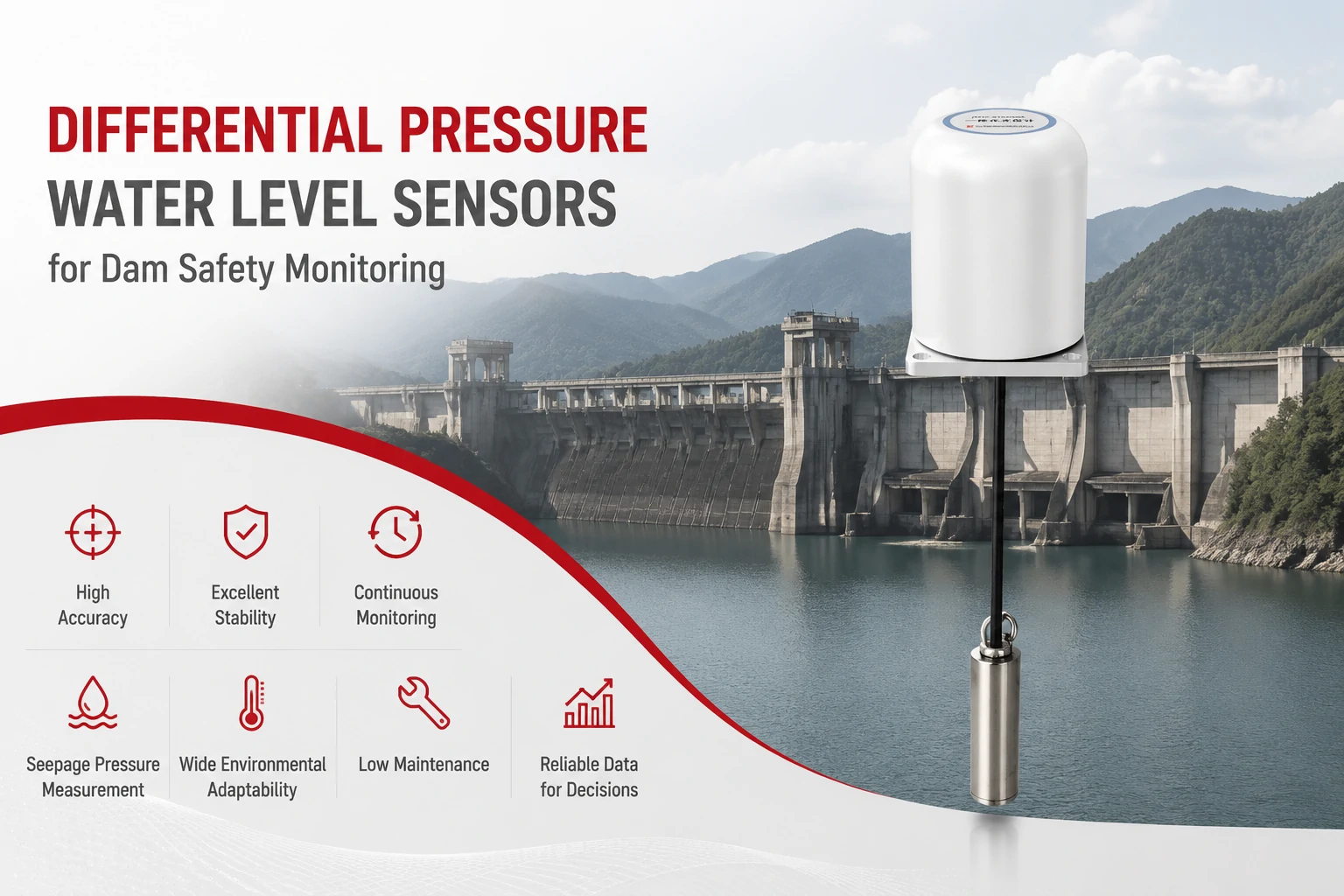
Key Takeaways The strongest fit is usually a confined, submerged, or s...
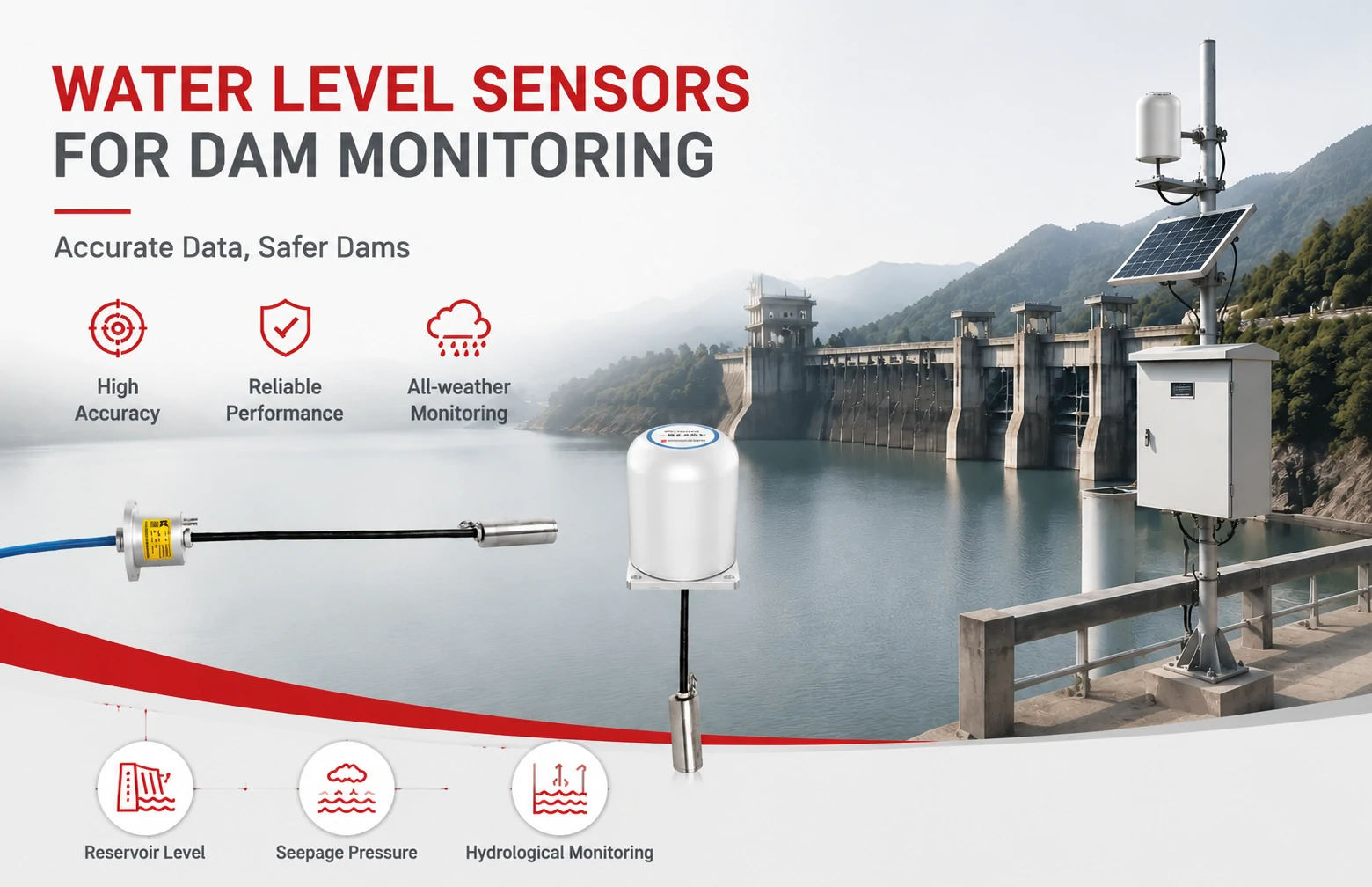
Kingmach Water Level Sensors for Dam Monitoring: A Buyer's Guide to Differential Pre...
Products
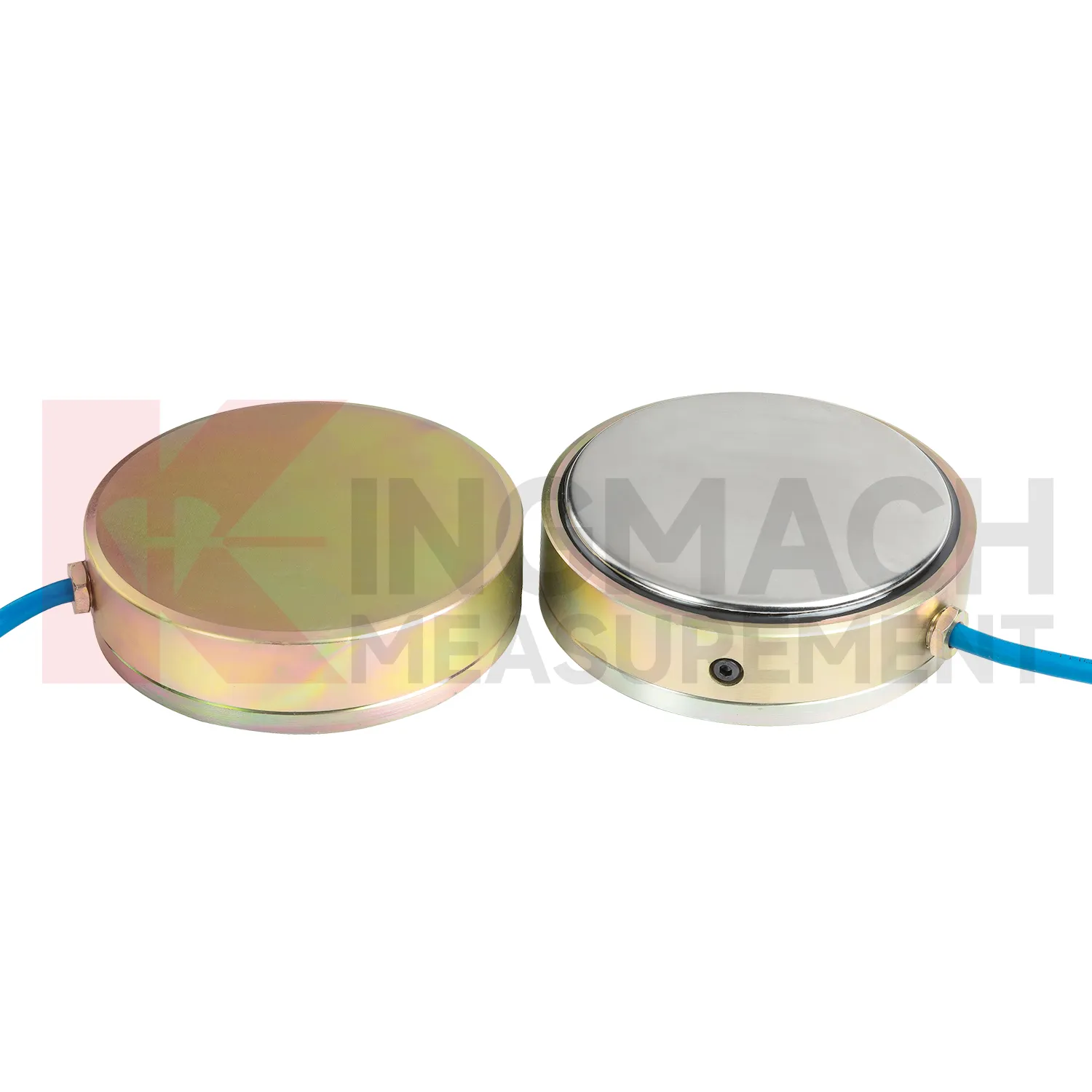
Large Earth Pressure Cell ( VW & Smart Type) JMZX-51XXAT/ ATM
View Details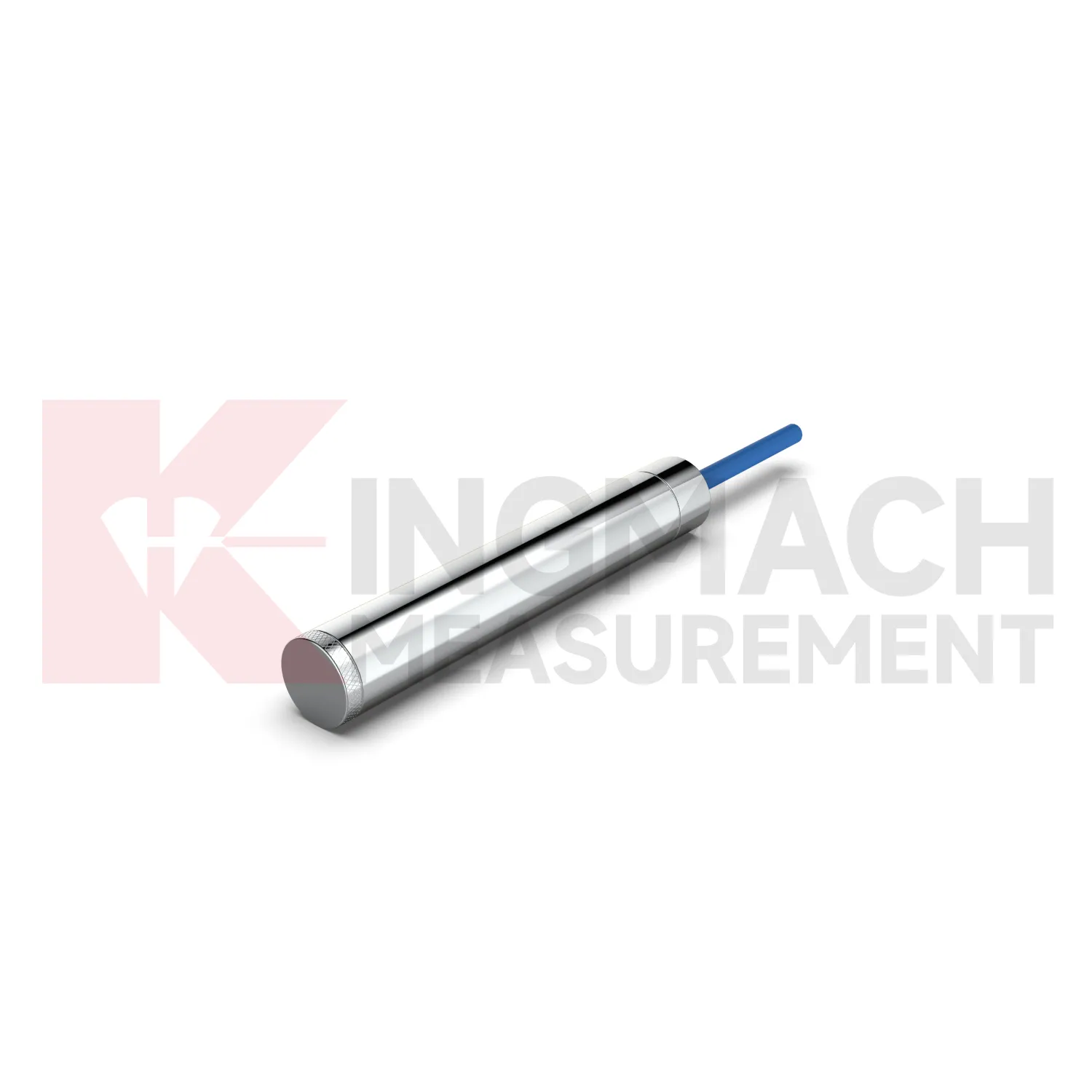
Smart Vibrating Wire PiezometerSmart Piezometers (VW) JMZX-55XXHAT
View Details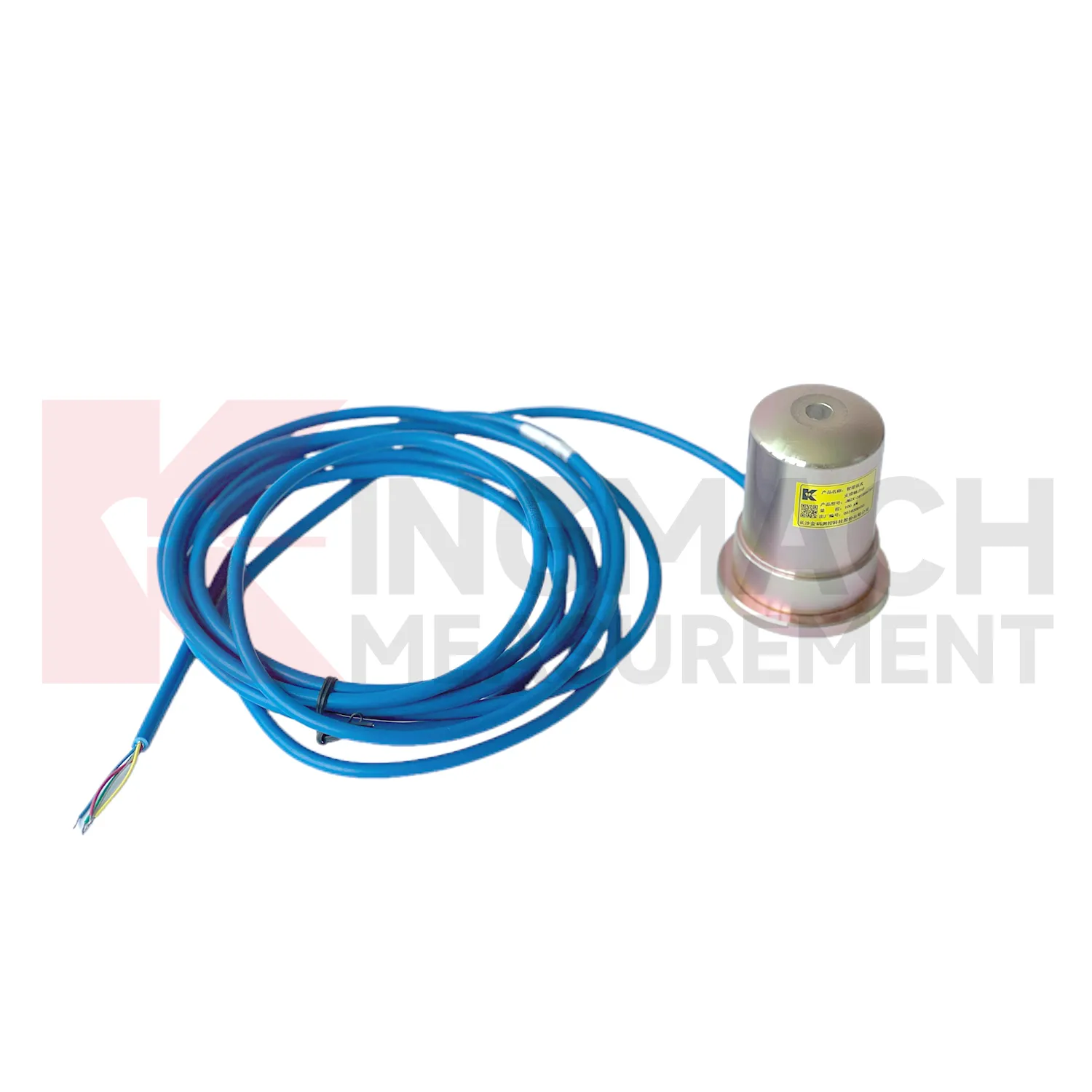
Smart Formwork Axial Force Meter(VW)JMZX-39XXHAT
View DetailsFAQ
A strain gauge load cell measures force by converting mechanical strain into an electrical signal. When a load is applied to the sensor's metal element, it deforms slightly. Bonded strain gauges detect this deformation, and their resistance changes proportionally. A Wheatstone bridge circuit converts the resistance change into a measurable voltage output. This method has been proven over decades for its simplicity and dependability.
Yes, if properly sealed and protected. Kingmach load cells are built with fully welded housings and cable sealing glands to resist moisture, dust, and corrosion. For submerged applications, we offer IP68-rated versions. Temperature compensation networks minimize drift from ambient changes, making them suitable for long-term outdoor monitoring like foundation pit supports or bridge bearing reactions.
Standard sensors provide millivolt-level signals (typically 2 mV/V), which require external amplification or a readout instrument. If you need a direct analog output, built-in amplifiers can deliver 4-20 mA or 0-5 V signals. We also support digital outputs like RS485 on request for direct connection to PLCs or SCADA systems.
The load cell should be sized so that the maximum expected load does not exceed about 80% of its rated capacity to avoid fatigue and ensure accuracy. It's also wise to consider transient overloads and safety factors. Our technical team can help you review your application details and recommend a model with the appropriate range, mounting, and environmental protection.
Absolutely. We regularly customize dimensions, capacities, cable lengths, connectors, and signal output types to match unique installation requirements. Send us a sketch or spec sheet, and our engineers will propose a feasible solution. Custom orders typically have a lead time of 4-6 weeks depending on complexity.
Share your product type, target capacity, and application requirements. Our team can review the details and recommend a practical next step.
If you are interested in our products or want to become our partner.
Please leave your contact information, our team will contact you as soon as possible.
Mail: [email protected]
Contact Us: +8613808434127
Address: No. 188 Tongzipo West Rd, Changsha, Hunan, China