
 EN
EN
 ar
ar bg
bg hr
hr cs
cs da
da nl
nl fi
fi fr
fr de
de el
el hi
hi it
it ko
ko no
no pl
pl pt
pt ro
ro ru
ru es
es sv
sv tl
tl iw
iw id
id lv
lv lt
lt sr
sr sk
sk sl
sl uk
uk vi
vi et
et hu
hu th
th tr
tr fa
fa ms
ms hy
hy ka
ka ur
ur bn
bn mn
mn ta
ta kk
kk uz
uz ku
ku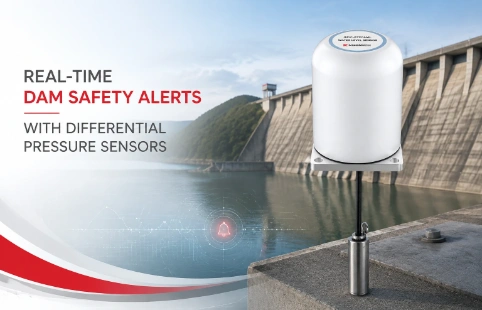
Real-Time Dam Safety Alerts with Differential Pressure Water Level Sensors
Key Takeaways An alert chain needs more than a sensor: define field in...

Semiconductor Temperature Sensors: Precision for Demanding Monitoring
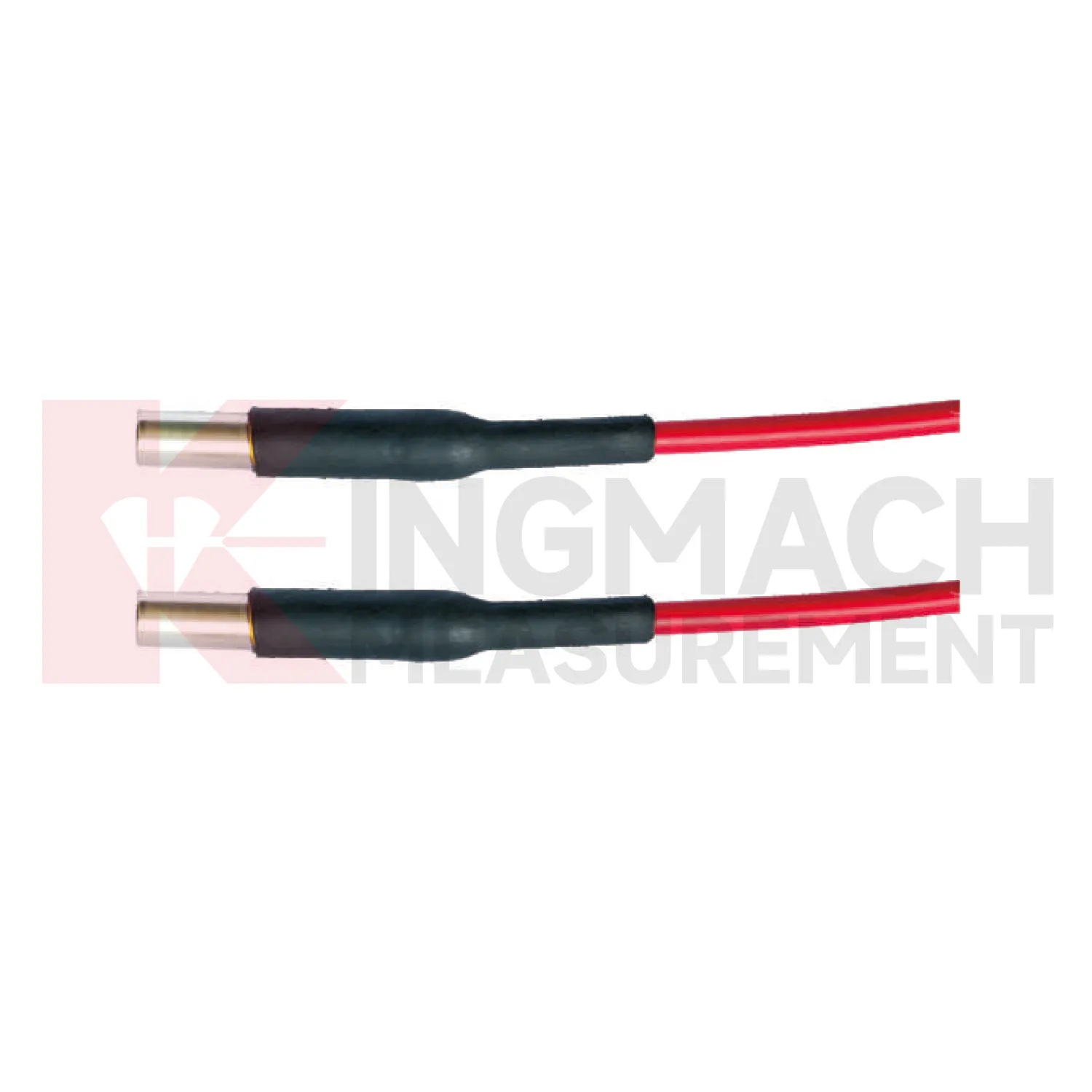
When you need to track temperature shifts in soil, concrete, or industrial processes, accuracy isn't just a spec—it's what keeps your data meaningful. Semiconductor temperature sensors have become a workhorse in this space, known for their linear output and small footprint. Kingmach uses this technology to build sensors that slot right into geotechnical and structural monitoring setups, where small temperature changes can throw off other measurements. The goal isn't flashy features; it's about giving you a steady signal you can count on months after installation. Our focus on customization means you're not locked into a catalog part—tell us your cable length, housing material, or output preference, and we'll configure the sensor to match your project's real conditions.
Technical Detail
Kingmach semiconductor temperature sensors are designed around the practical needs of field monitoring. The sensing element relies on a silicon junction, which delivers a highly linear voltage change with temperature—typically around 10 mV/°C. This linearity makes calibration simpler and gives consistent readings across a wide range, often from -55°C to +150°C, depending on the encapsulation. In practice, that means logging equipment doesn't need complex look-up tables, reducing setup time at remote sites. We build these sensors into rugged packages suited for embedment in concrete, soil, or immersion in water. Stainless steel housings are standard, but we can switch to other materials if your environment is chemically aggressive. Cable lengths, connector types, and even the number of sensing points (for profiling) can be specified during ordering. Because our background is geotechnical instrumentation, we understand the importance of long-term stability and low drift, so we age and screen components to minimize surprises years down the line. These sensors output an analog voltage or can be paired with our digital transmitters for RS-485 or SDI-12 communication, making integration with data loggers straightforward. Whether you're measuring temperature gradients in a dam, permafrost monitoring, or simply compensating other sensors, Kingmach offers a sensor that fits into your existing infrastructure rather than forcing you to redesign around it. Technical support comes from engineers who work with these instruments daily, and our global distributor network means you can get replacements and service without long lead times.
News
Key Takeaways An alert chain needs more than a sensor: define field in...
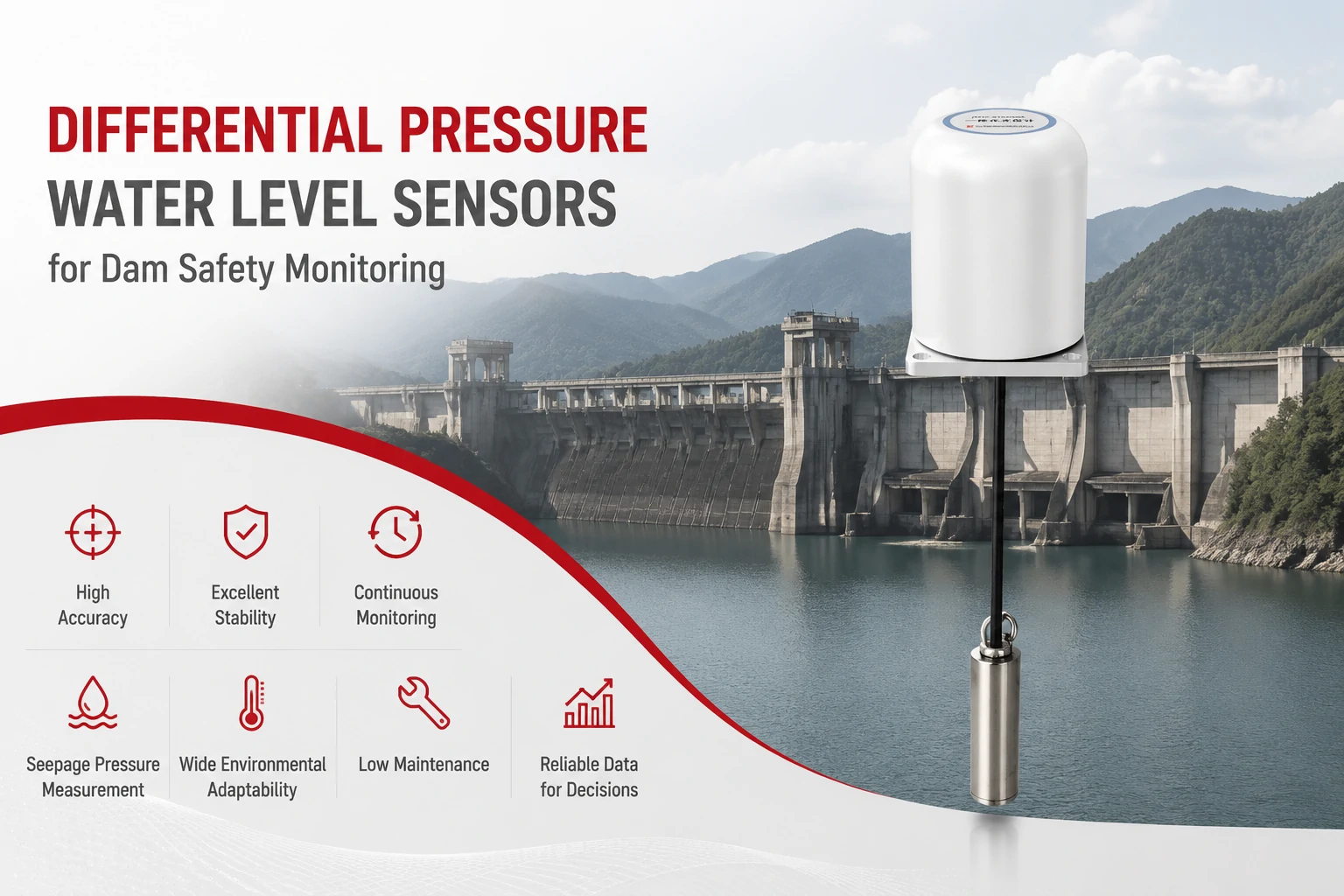
Key Takeaways The strongest fit is usually a confined, submerged, or s...
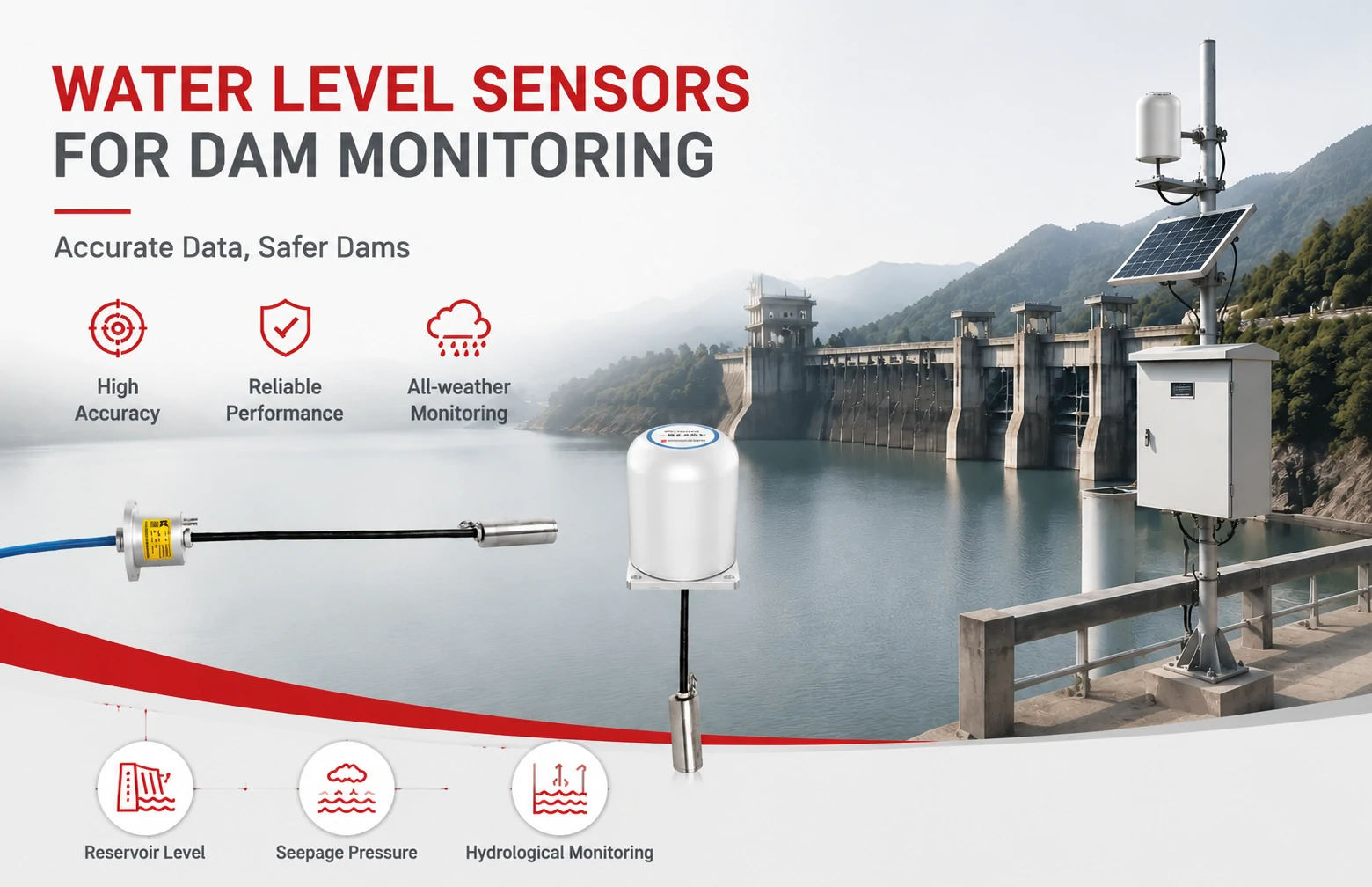
Kingmach Water Level Sensors for Dam Monitoring: A Buyer's Guide to Differential Pre...
Products
FAQ
Semiconductor sensors, typically ICs or thermistors, provide higher sensitivity and linearity over moderate ranges (e.g., -50°C to 150°C), which means simpler signal conditioning and better accuracy without cold junction compensation. Thermocouples excel at very high or very low temperatures but can introduce more drift over time. In geotechnical applications where temperatures rarely swing beyond a hundred degrees, semiconductor sensors often deliver more stable and repeatable readings with less costly readout electronics.
Yes, that's a common application. We can build sensor strings with multiple semiconductor elements spaced along a cable. You specify the depths, and we pot each sensor node into a watertight assembly. The cable jacket and sealing method are chosen for the expected pressure and chemical environment. The linear nature of semiconductor sensors makes it easy to daisy-chain several units on a single bus.
You can choose housing material (stainless steel, bronze, or plastics), cable length and jacket type, connector styles, and output signal (analog voltage, 4-20 mA, or digital like RS-485). We also offer temperature ranges optimized for your site—the sensor can be factory-calibrated for a narrower span to improve accuracy. For special projects, we can even cast the sensor into concrete or attach mounting brackets for direct structural attachment.
Semiconductor sensors are solid-state and require little field maintenance beyond keeping connectors clean and checking cable integrity. For recalibration, we recommend returning the sensor to us every two years for a check against traceable standards, though many users find drift is minimal. In critical installations, you might install a redundant sensor or a small calibration chamber onsite, but for most geotechnical monitoring, the built-in stability is sufficient for the lifespan of the project.
With the proper housing and cable sealing, yes. We use hermetic welding and pressure-tested feedthroughs for submersion up to specified depths. The semiconductor element itself is enclosed in a dry, sealed chamber, so condensation isn't an issue. We've supplied sensors for dam monitoring and underwater structural studies where they've operated for years without problems.
Share your product type, target capacity, and application requirements. Our team can review the details and recommend a practical next step.
If you are interested in our products or want to become our partner.
Please leave your contact information, our team will contact you as soon as possible.
Mail: [email protected]
Contact Us: +8613808434127
Address: No. 188 Tongzipo West Rd, Changsha, Hunan, China