
 EN
EN
 ar
ar bg
bg hr
hr cs
cs da
da nl
nl fi
fi fr
fr de
de el
el hi
hi it
it ko
ko no
no pl
pl pt
pt ro
ro ru
ru es
es sv
sv tl
tl iw
iw id
id lv
lv lt
lt sr
sr sk
sk sl
sl uk
uk vi
vi et
et hu
hu th
th tr
tr fa
fa ms
ms hy
hy ka
ka ur
ur bn
bn mn
mn ta
ta kk
kk uz
uz ku
ku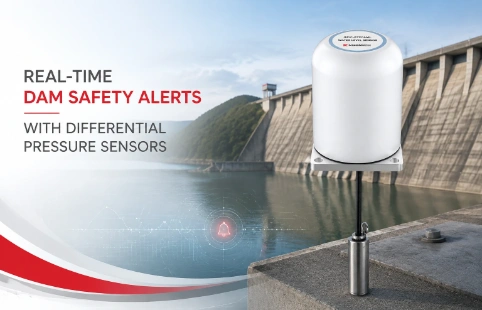
Real-Time Dam Safety Alerts with Differential Pressure Water Level Sensors
Key Takeaways An alert chain needs more than a sensor: define field in...

Strain Gauge and Load Cell: What Engineers Need to Know
If you are working on a stress monitoring or force measurement project, sooner or later you will come across the terms "strain gauge and load cell". They often appear together, but are not exactly the same thing. The strain gauge itself is a small sensor that can detect tiny deformations on the surface of the material. The strain gauge is pasted on the elastomer, and with a protective shell and compensation circuit, it becomes a complete load cell. For geotechnical engineering, from stress distribution in tunnel linings to tension changes in anchor cables, this combination is almost standard. But when it comes to model selection, things are not that simple - temperature drift, long-term stability, and waterproof level, each of which may affect the reliability of the data. We have seen many projects start with ordinary industrial-grade sensors, only to have the data become unusable after a few months. Kingmach has accumulated some experience in this field. The product line covers a variety of options from vibrating wire type to resistive type, and also supports customization according to on-site conditions. This article is not to reread the definition in the textbook, but to talk about how strain gauges and load cells work together in practical applications, and the details that should be paid attention to when selecting.
Technical Detail
In structural monitoring and water and soil pressure measurements, strain gauges and load cells play different but complementary roles. The core value of strain gauges lies in their high sensitivity and ability to resolve small strains. They can be attached to the surface of steel structures or concrete to directly obtain local stress changes. The load cell is a packaged component that can output a standard force signal and is more suitable for automated monitoring systems that require long-term stable operation. A common misunderstanding is that "the accuracy of strain gauges is not as good as that of load cells." In fact, the accuracy of both depends on the conditioning circuit and calibration process. The resistive strain gauges provided by Kingmach have polyimide and phenolic epoxy base materials and are suitable for different temperature ranges; while the load cells we assemble, such as anchor cable dynamometers and earth pressure cells, all use full-bridge compensation internally, and the nonlinearity is usually controlled within 0.5% FS. In geotechnical sites, installation conditions often influence the final results more than the sensors themselves. For example, the bonding process of strain gauges must strictly deal with surface cleaning, adhesive layer thickness and curing time; the load cells must pay attention to their alignment to avoid errors caused by eccentric loading. Kingmach will provide detailed installation instructions for after-sales support and send engineers to the site if necessary. In addition, for users with special needs, we can adjust the range, size or output signal type, such as changing the standard 0~10V output to 4~20mA loop power supply. In practice, the choice of strain gauge or load cell is not about who is better, but depends on the project's tolerance for installation convenience, signal stability and subsequent maintenance.
News
Key Takeaways An alert chain needs more than a sensor: define field in...
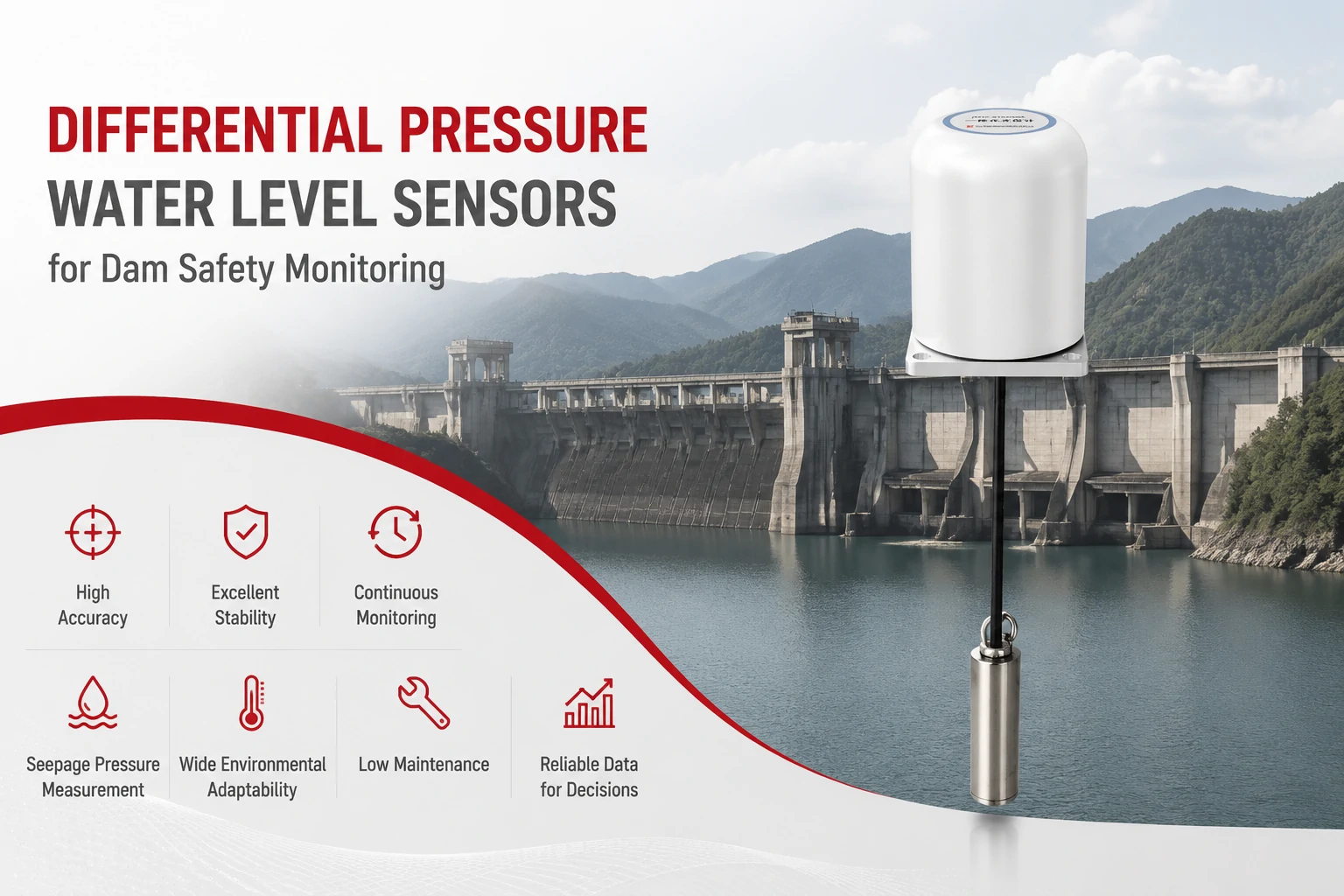
Key Takeaways The strongest fit is usually a confined, submerged, or s...
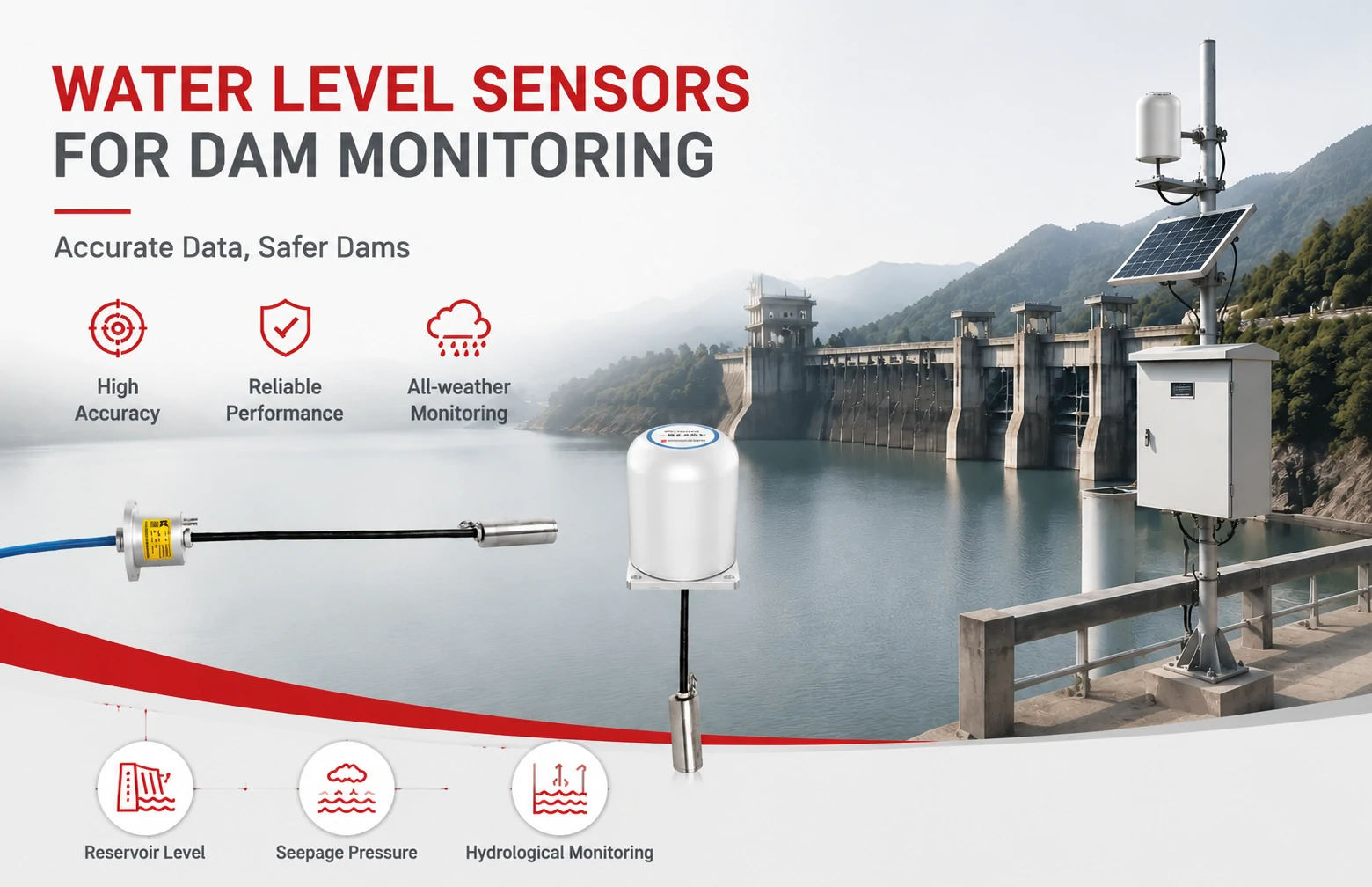
Kingmach Water Level Sensors for Dam Monitoring: A Buyer's Guide to Differential Pre...
Products
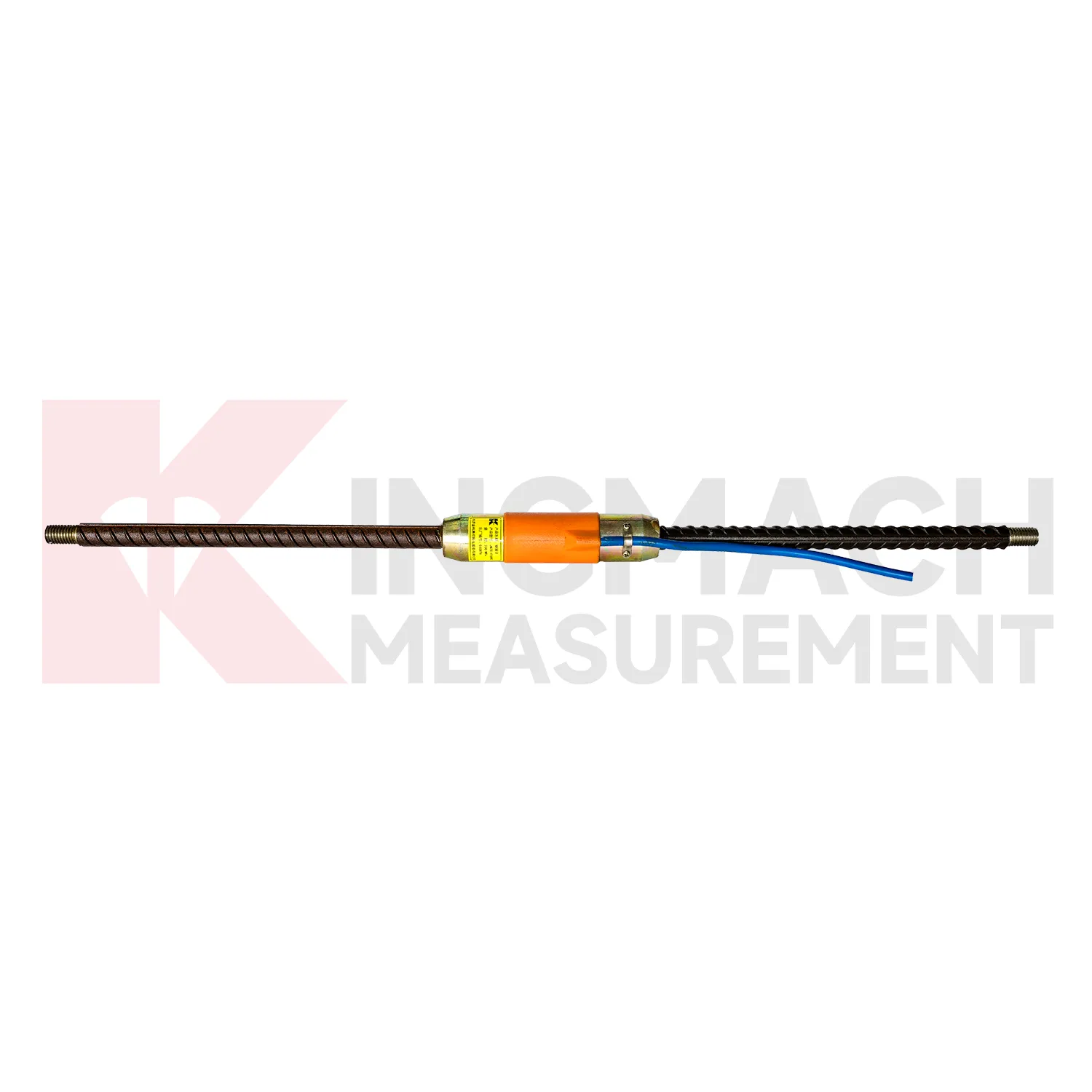
Rebar Strainmeters ( VW & Smart Type) JMZX-4XXHAT/HB
View Details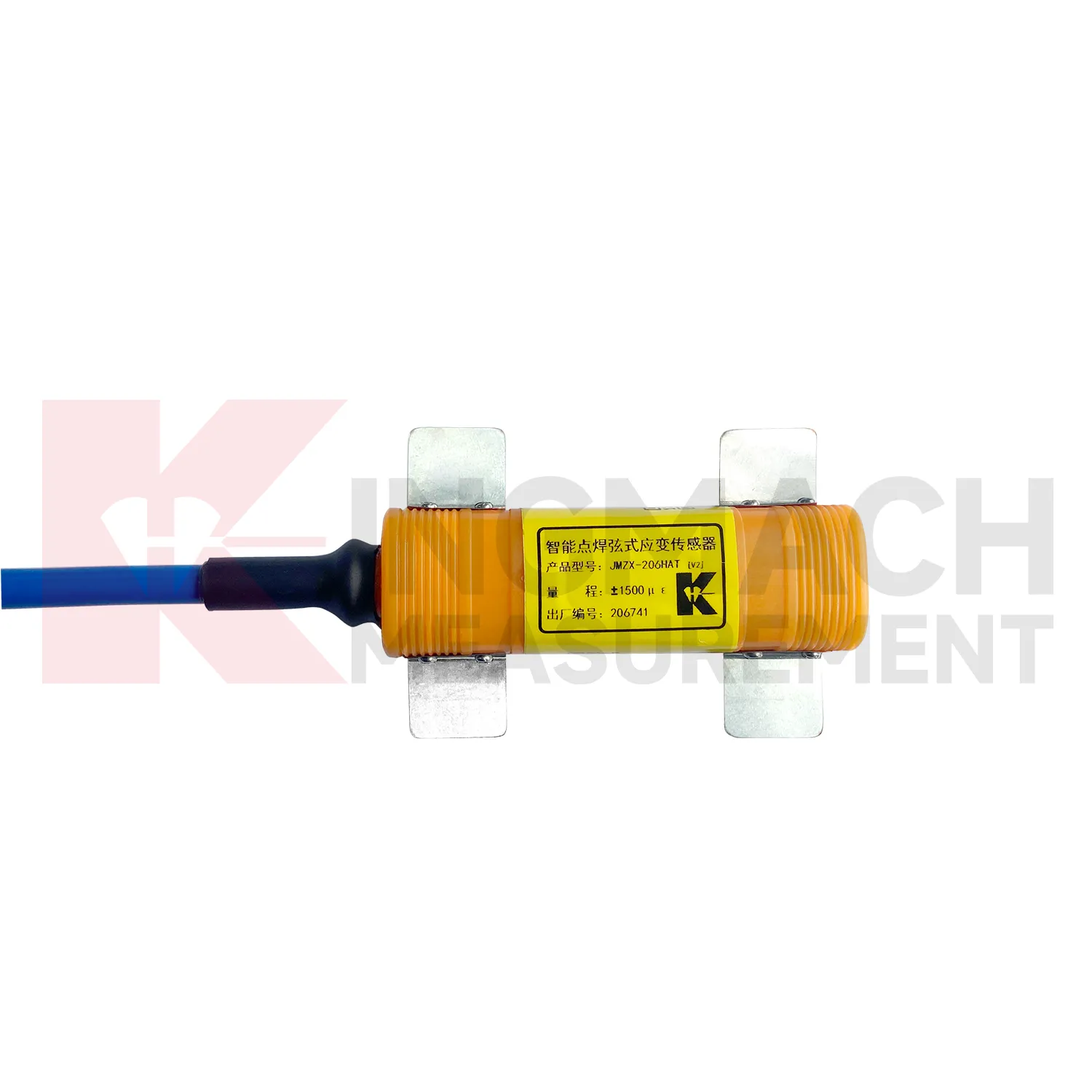
Smart vibrating wire strain gauge (surface welded model) JMZX-206HAT
View Details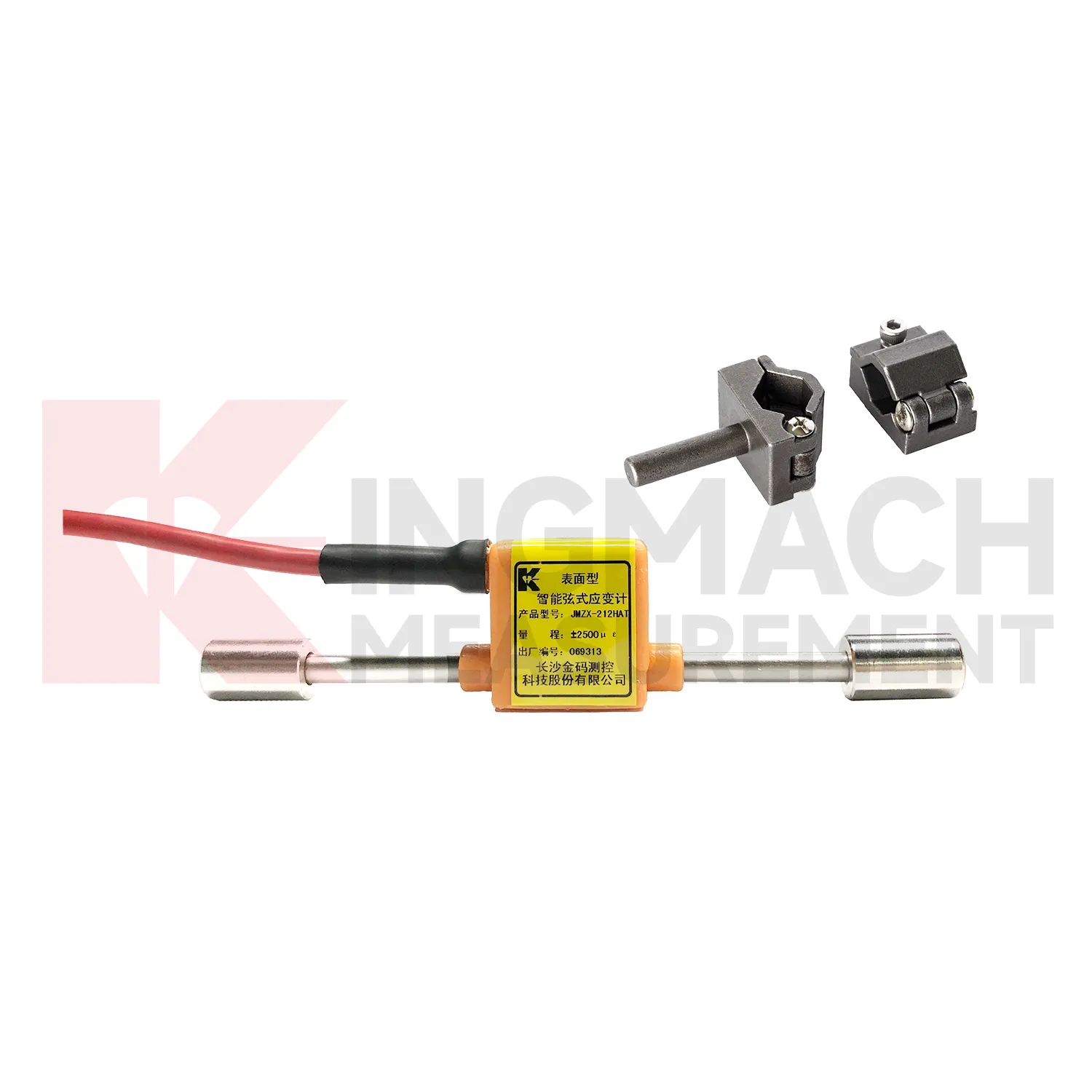
Smart vibrating wire strain gauge (surface model) JMZX-212HAT/HB
View DetailsFAQ
A strain gauge is a sensor element you bond directly to a surface to measure deformation. A load cell is a self-contained unit that uses strain gauges inside a metal body to output a calibrated force or weight reading. Think of it like buying a raw camera sensor versus a ready-to-use camera.
Technically yes—you would need to design the elastic element, bond the gauges precisely, and perform dead-weight calibration. But achieving good linearity and temperature compensation requires experience. For most projects, using a factory-built load cell saves time and improves reliability.
Temperature can cause thermal expansion and gauge factor shifts, leading to zero drift. Quality strain gauges come with self-temperature-compensation for common structural materials like steel or aluminum. In load cells, additional compensation resistors are often built in.
Load cells generally last longer outdoors because the gauge is protected inside a sealed housing. A bare strain gauge needs waterproof coatings and physical protection from rockfall or construction activity. With proper installation, both can serve for years.
Yes. Our engineers review your project's installation environment, accuracy needs, and budget. For temporary stress checks, strain gauges might be enough. For long-term monitoring, a load cell like an anchor meter is often more robust. We can customize ranges and outputs too.
Share your product type, target capacity, and application requirements. Our team can review the details and recommend a practical next step.
If you are interested in our products or want to become our partner.
Please leave your contact information, our team will contact you as soon as possible.
Mail: [email protected]
Contact Us: +8613808434127
Address: No. 188 Tongzipo West Rd, Changsha, Hunan, China