
 EN
EN
 ar
ar bg
bg hr
hr cs
cs da
da nl
nl fi
fi fr
fr de
de el
el hi
hi it
it ko
ko no
no pl
pl pt
pt ro
ro ru
ru es
es sv
sv tl
tl iw
iw id
id lv
lv lt
lt sr
sr sk
sk sl
sl uk
uk vi
vi et
et hu
hu th
th tr
tr fa
fa ms
ms hy
hy ka
ka ur
ur bn
bn mn
mn ta
ta kk
kk uz
uz ku
ku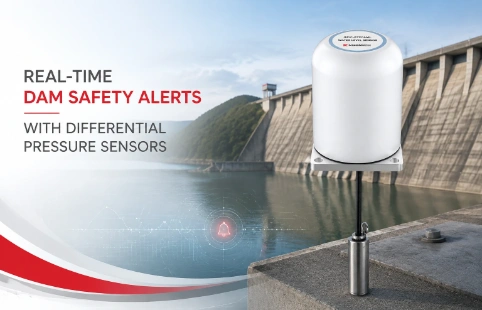
Real-Time Dam Safety Alerts with Differential Pressure Water Level Sensors
Key Takeaways An alert chain needs more than a sensor: define field in...

Strain Gauges and Rosettes from a Global Manufacturer
When a monitoring project calls for direct strain measurement, foil strain gauges and rosettes are among the most straightforward tools available. They turn localized deformation into a readable electrical signal, giving engineers a window into real structural behavior. Kingmach has been manufacturing these sensing elements for years, supplying customers who need consistent performance across varying field conditions. Rather than a one-size-fits-all catalog, we offer standard and custom patterns—single elements, tee rosettes, and three-element rosettes—sized to your test material and expected strain gradient. Backing materials and gauge resistances can be adjusted for short-term lab work or long-term outdoor monitoring. With a global network of distributors and an in-house support team, selecting and installing the right gauge becomes less of a hurdle. Whether you are instrumenting a retaining wall, proof-testing an aircraft component, or monitoring stress in a mine shaft, the core requirement stays the same: a measurement that holds up.
Technical Detail
Choosing strain gauges and rosettes often comes down to matching the sensor\u2019s characteristics with the installation environment and measurement goal. Kingmach produces foil strain gauges on polyimide or glass-fiber-reinforced backing, covering common resistance values like 120 \u03a9 and 350 \u03a9, with grid lengths from roughly 1 mm to over 20 mm. For biaxial stress states or unknown principal directions, rosettes with two or three grids in tee, rectangular, or delta configurations provide the necessary data to resolve full-plane stress or strain tensors. We stock a wide range of standard patterns, but a significant part of our work involves customization. If your test requires a particular gauge factor tolerance, non-standard lead wire attachment, or a substrate that stands up to concrete embedment, our engineering team can adjust the production run accordingly. Applications we commonly support include structural health monitoring on bridges and tunnels, load cells for geotechnical instrumentation, residual stress analysis in metal frames, and fatigue testing on rotating machinery. Installation is straightforward for experienced technicians: surface preparation, adhesive selection, and protective coating steps are well documented and we provide application notes. When a project\u2019s timeline is tight, our manufacturing flexibility helps keep things moving. Beyond the sensor itself, our technical support extends to wiring configurations, temperature compensation methods, and troubleshooting noise in strain circuits. Because we manufacture in-house, quality checks happen at every stage, from grid etching to final resistance verification.
News
Key Takeaways An alert chain needs more than a sensor: define field in...
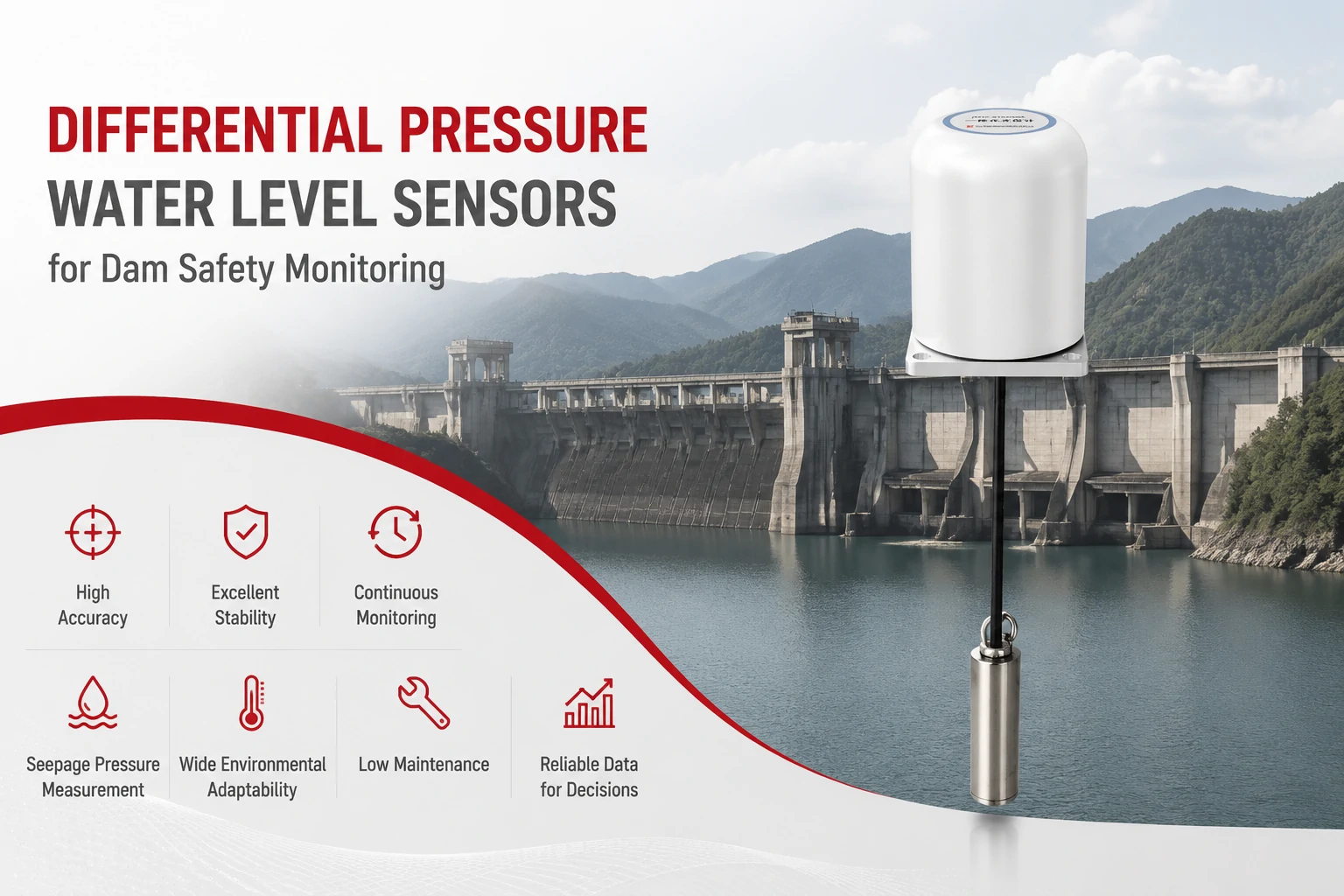
Key Takeaways The strongest fit is usually a confined, submerged, or s...
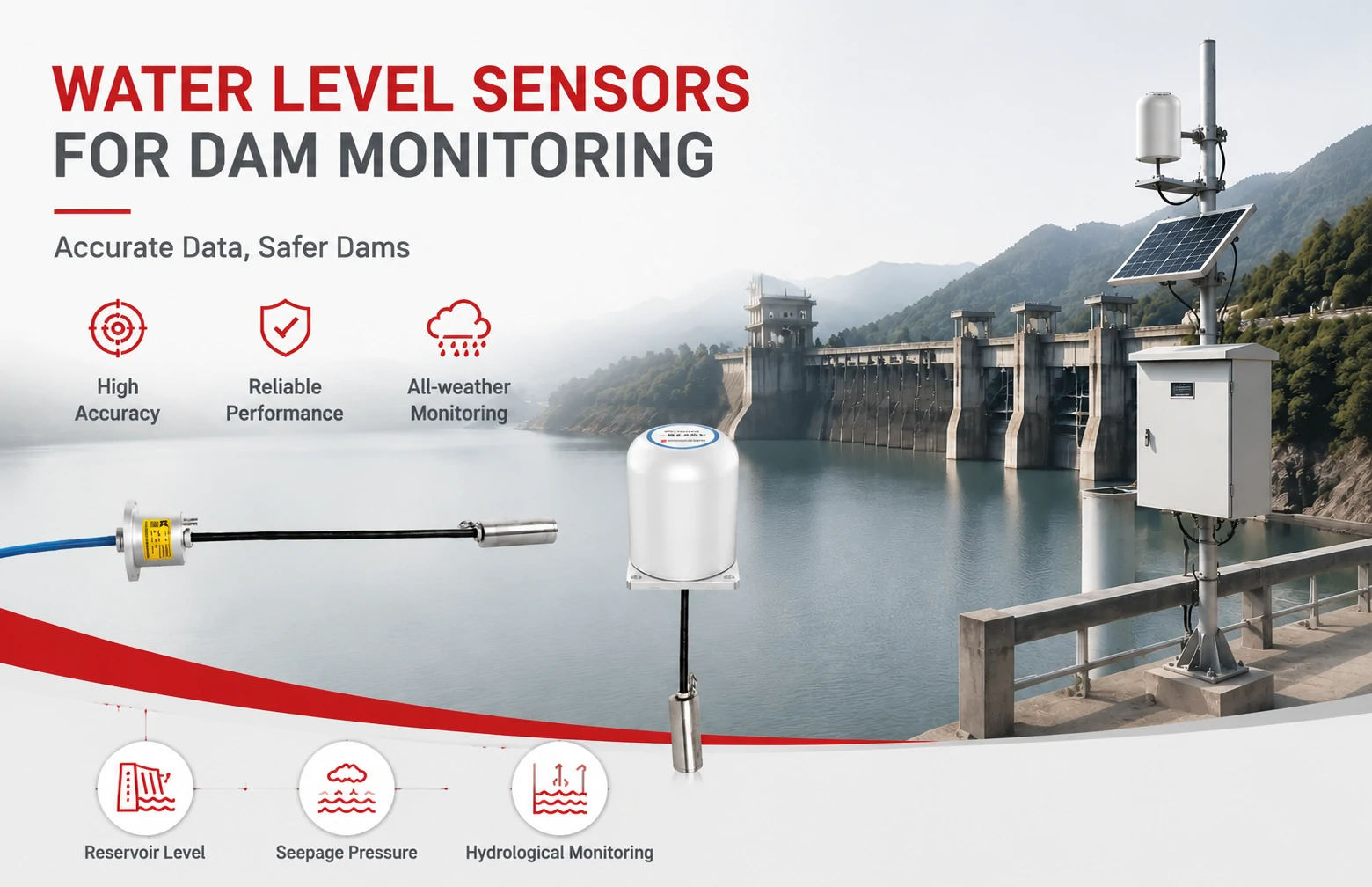
Kingmach Water Level Sensors for Dam Monitoring: A Buyer's Guide to Differential Pre...
Products
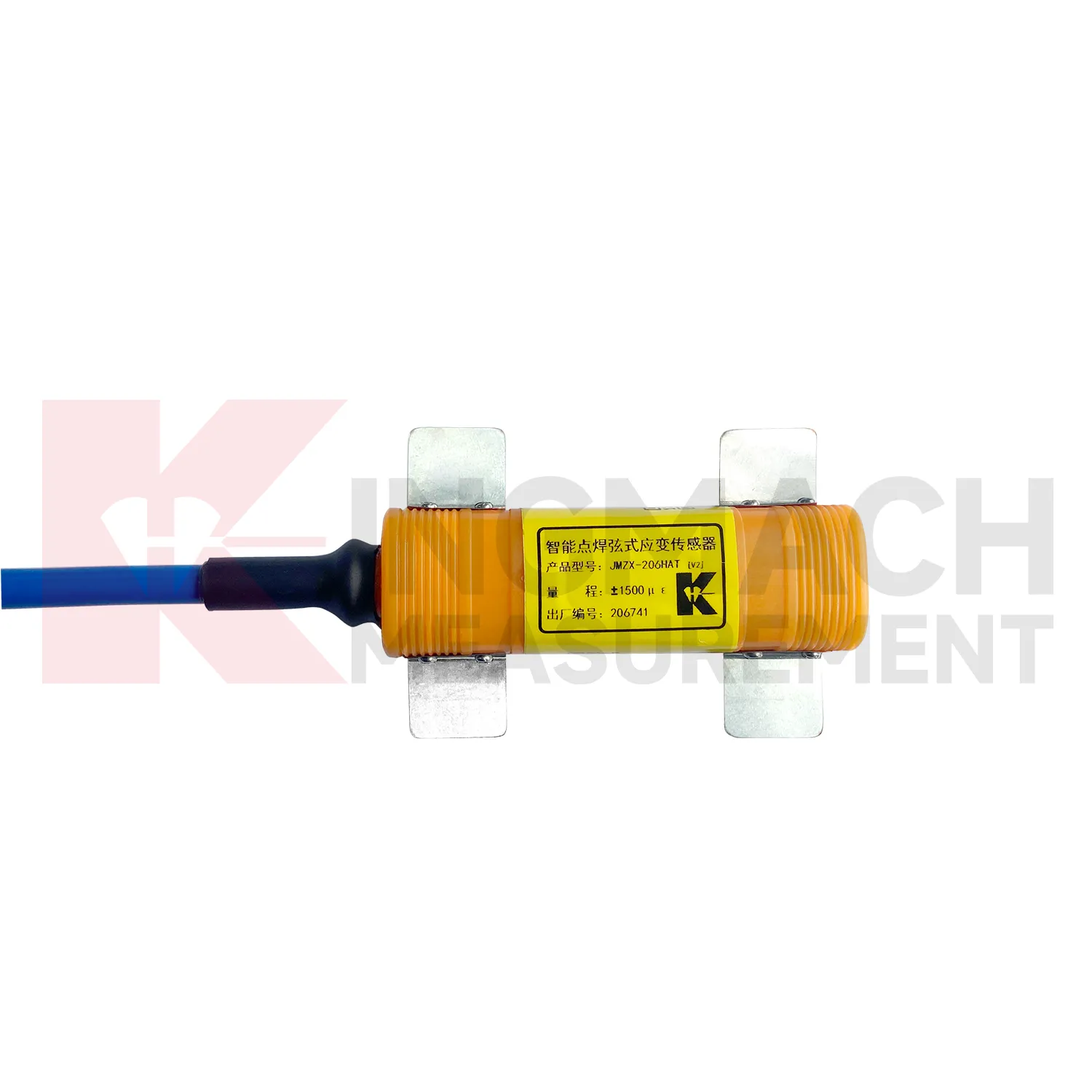
Smart vibrating wire strain gauge (surface welded model) JMZX-206HAT
View Details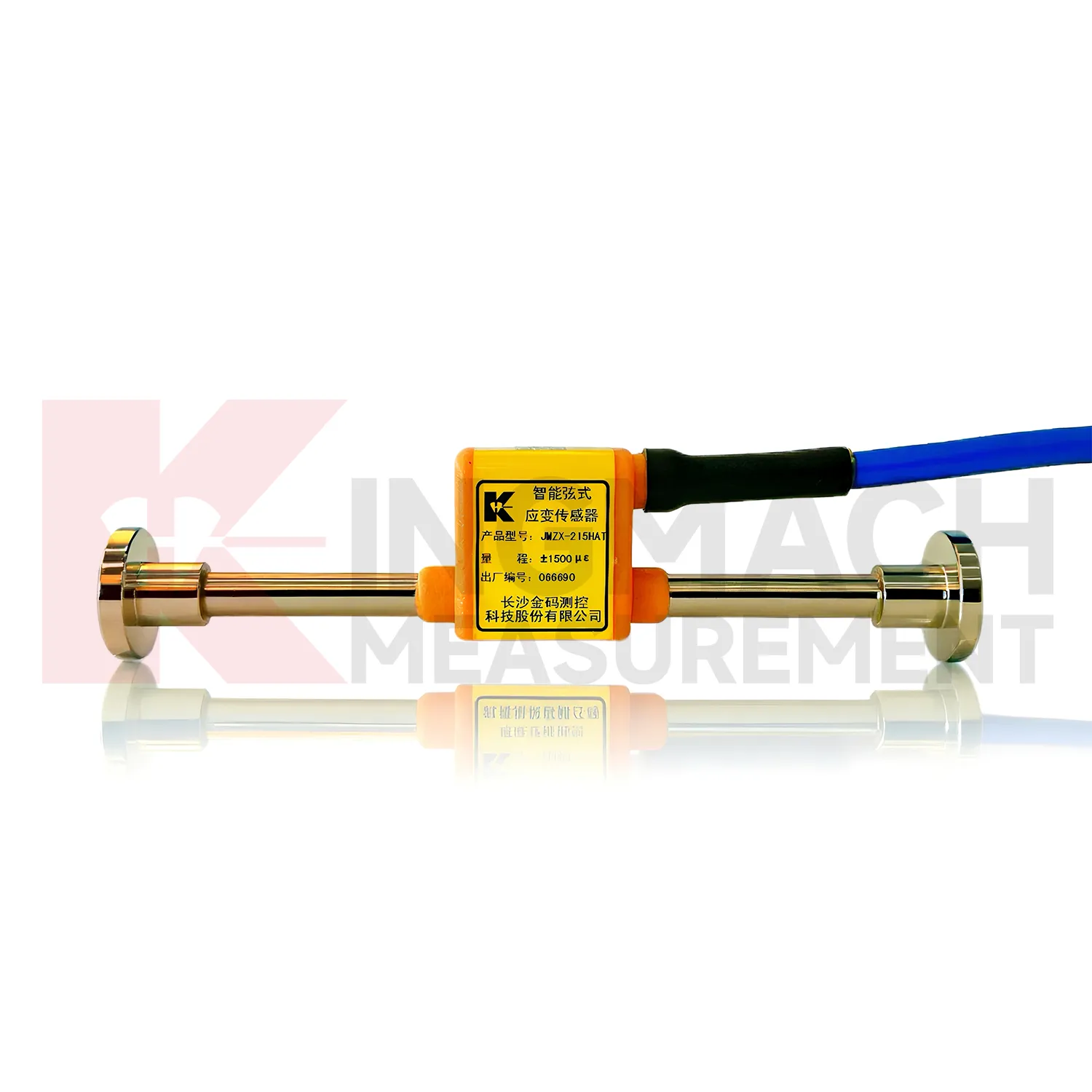
Smart vibrating wire strain gauge (embedment model) JMZX-215HA/215HAT/HB
View Details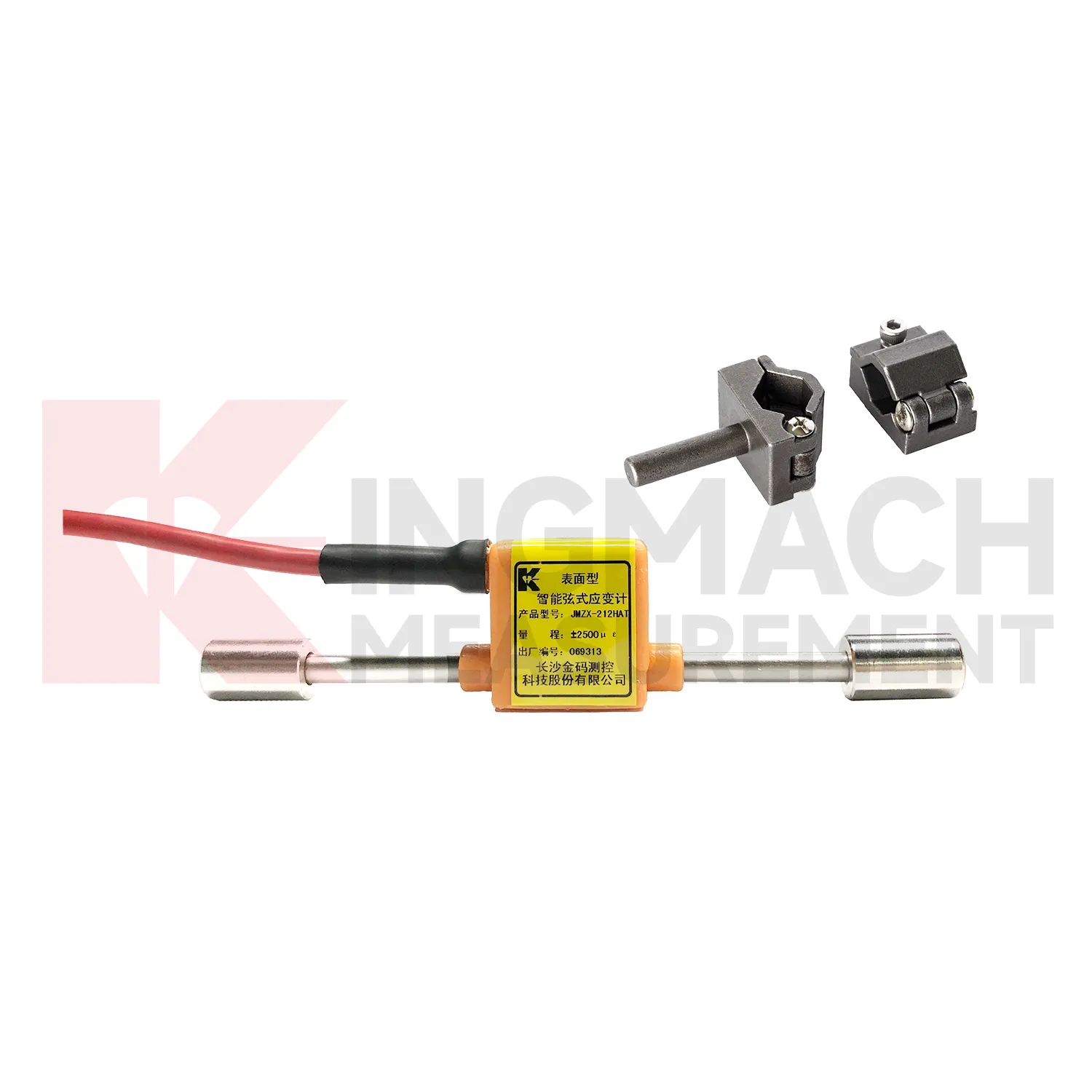
Smart vibrating wire strain gauge (surface model) JMZX-212HAT/HB
View DetailsFAQ
We offer tee rosettes (0\u00b0/90\u00b0) for cases where principal stress directions are known, and three-element rectangular (0\u00b0/45\u00b0/90\u00b0) or delta (0\u00b0/60\u00b0/120\u00b0) rosettes when those directions need to be computed. The choice depends on your expected stress field and the material\u2019s compliance. Most rosettes share a common backing to simplify installation.
Yes. While 120 \u03a9 and 350 \u03a9 are widely used, we can produce gauges with other resistances. The decision often involves matching the gauge to the instrumentation\u2019s input impedance or minimizing self-heating effects on low-conductivity materials. Let us know your measuring equipment and test material, and we can suggest a practical value.
Every batch undergoes visual inspection after etching and a resistance check. Gauge factor is verified on a sample basis from each production run, with a typical tolerance within \u00b11%. If you need tighter tolerance or individual calibration data, that can be arranged before shipment.
For permanent field installations, two-component epoxy adhesives are common because they resist moisture and temperature cycling better than cyanoacrylates. Surface preparation\u2014degreasing, abrading, and neutralizing\u2014is the step that really determines bond durability. We can provide step-by-step guidance based on the substrate material.
Share your product type, target capacity, and application requirements. Our team can review the details and recommend a practical next step.
If you are interested in our products or want to become our partner.
Please leave your contact information, our team will contact you as soon as possible.
Mail: [email protected]
Contact Us: +8613808434127
Address: No. 188 Tongzipo West Rd, Changsha, Hunan, China