
 EN
EN
 ar
ar bg
bg hr
hr cs
cs da
da nl
nl fi
fi fr
fr de
de el
el hi
hi it
it ko
ko no
no pl
pl pt
pt ro
ro ru
ru es
es sv
sv tl
tl iw
iw id
id lv
lv lt
lt sr
sr sk
sk sl
sl uk
uk vi
vi et
et hu
hu th
th tr
tr fa
fa ms
ms hy
hy ka
ka ur
ur bn
bn mn
mn ta
ta kk
kk uz
uz ku
ku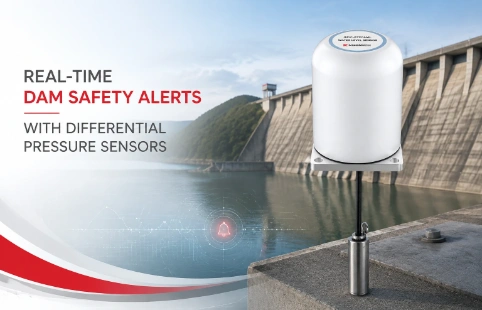
Real-Time Dam Safety Alerts with Differential Pressure Water Level Sensors
Key Takeaways An alert chain needs more than a sensor: define field in...

Wireless Temperature Data Logger: A Closer Look at the Specs That Matter
A wireless temperature data logger cuts the cable, but then you need to figure out range, battery life, and how it talks to your existing gear. If you manage cold storage, monitor lab environments, or run field tests, the leap to wireless can streamline data collection—provided the logger fits your sensors and software. Kingmach focuses on measurement instruments for geotechnical and industrial monitoring, offering loggers that accept common thermocouple or RTD inputs. Before you settle on a model, it helps to examine transmission distance, sampling intervals, and how alerts reach you. Wireless doesn’t mean one-size-fits-all; some setups use dedicated gateways, others push data to cloud platforms via Wi-Fi or cellular. The key is matching the logger’s radio frequency and protocol to your site layout. This page unpacks typical technical parameters and compatibility points to guide a more informed selection.
Technical Detail
A wireless temperature data logger typically records from one or more sensor channels and transmits readings to a receiver or cloud. When comparing units, check supported sensor types: many industrial loggers work with Type K, T, or J thermocouples, and some also accept Pt100 RTDs. Input range and accuracy depend on the internal analog‑to‑digital converter; 16‑bit resolution is common in mid‑range devices, yielding ±0.5°C accuracy after calibration. Transmission frequency matters: 2.4 GHz offers higher data throughput but shorter range, while sub‑1 GHz bands (e.g., 868/915 MHz) penetrate walls better and can reach 300–500 meters line‑of‑sight. Battery life is tied to sampling rate and transmission interval—a logger set to report every minute will drain faster than one logging every 15 minutes. Many units store data locally as a backup, with onboard memory for thousands of points. Kingmach supplies loggers that support common industrial protocols like Modbus or simple CSV export via USB. For compatibility, check whether the receiver software can export to your existing monitoring platform; some brands use proprietary cloud dashboards, while others allow direct data push via MQTT or HTTP. Physical housing is another factor: IP65‑rated enclosures are typical for damp or dusty environments. Kingmach’s manufacturing background means they can adjust channel counts, sensor inputs, and even form factor for project‑specific needs. If your application involves geotechnical monitoring, you may also need a logger that integrates with other instruments like vibrating wire sensors; Kingmach’s in‑house expertise often extends to such mixed‑sensor setups.
News
Key Takeaways An alert chain needs more than a sensor: define field in...
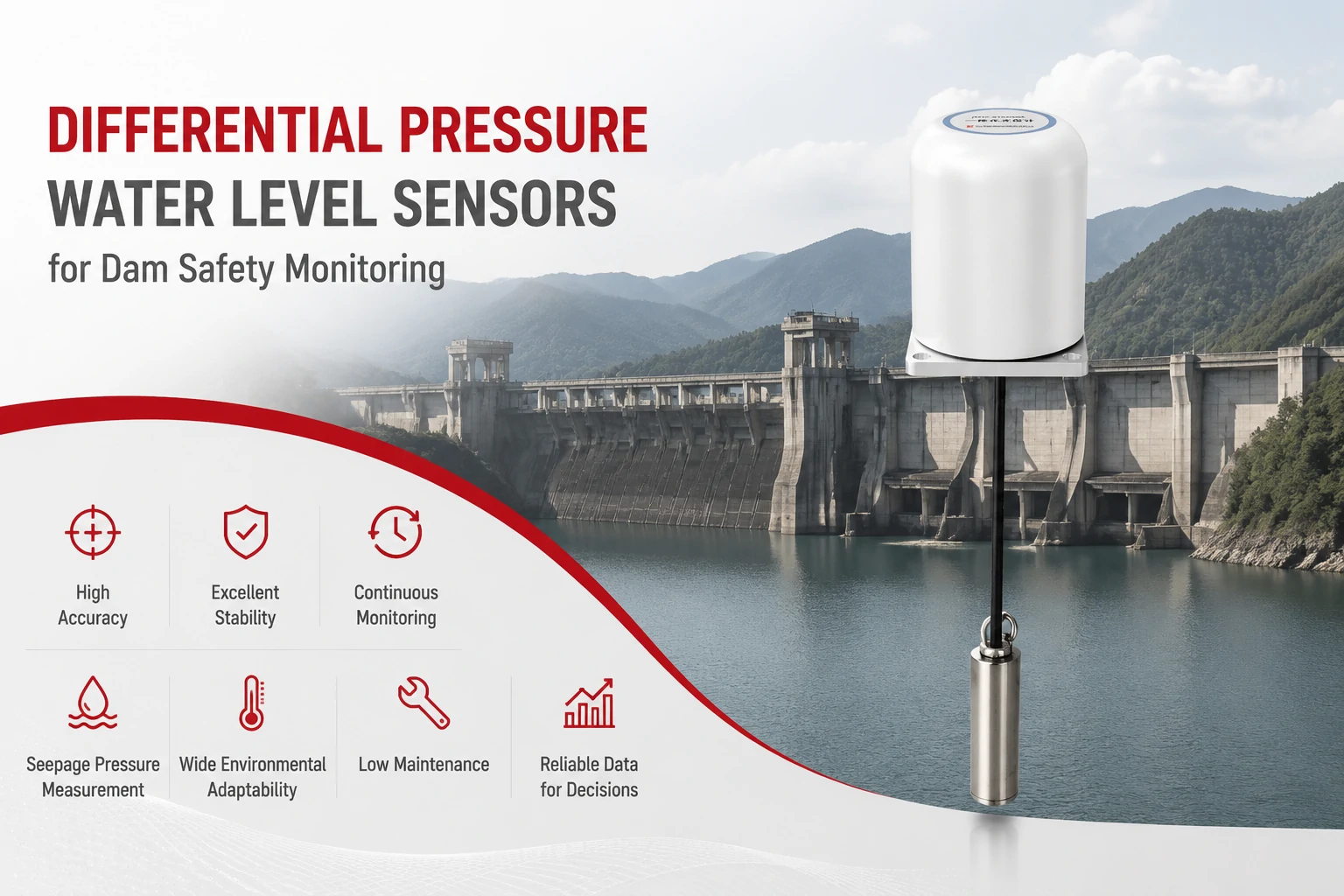
Key Takeaways The strongest fit is usually a confined, submerged, or s...
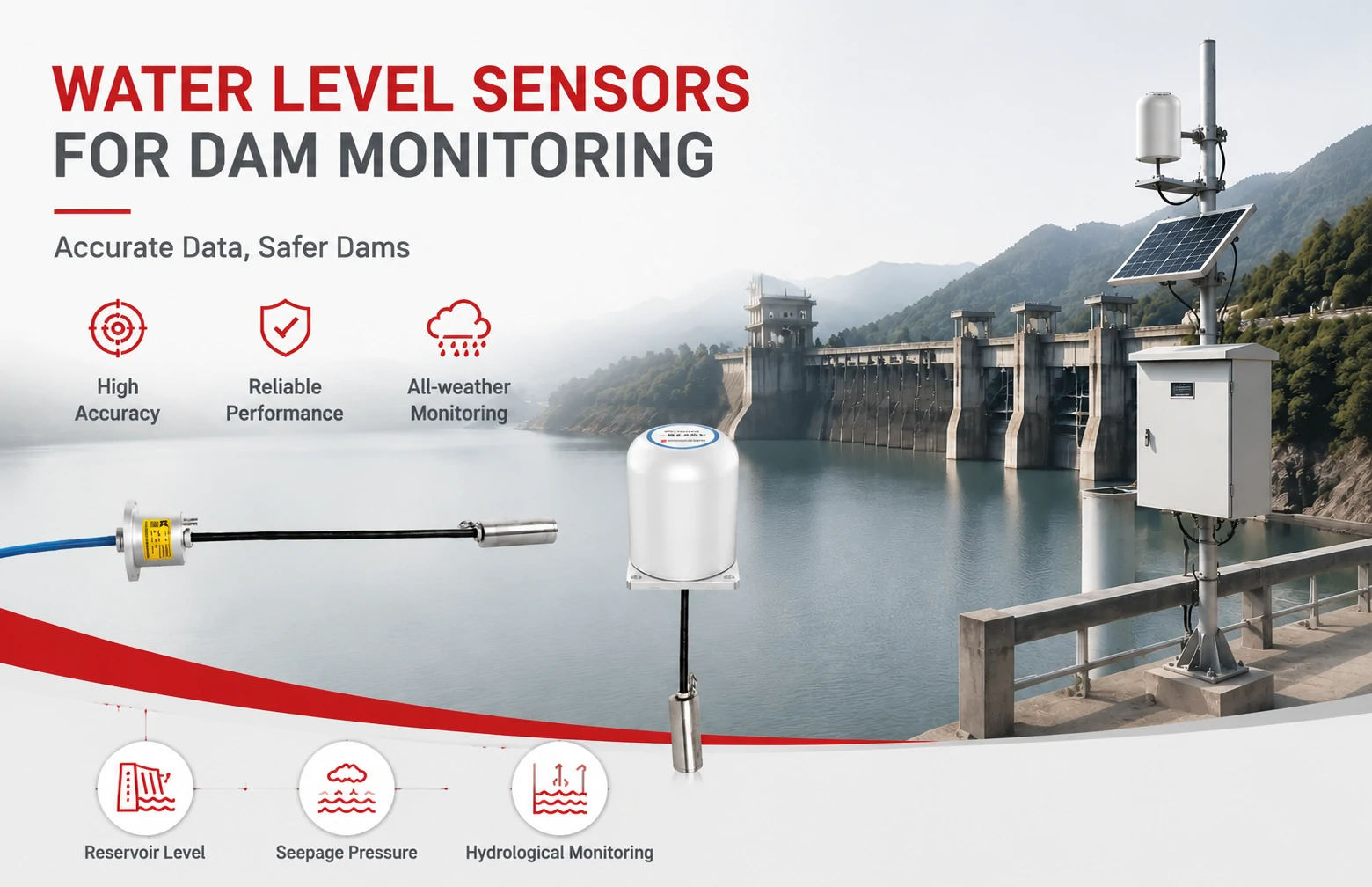
Kingmach Water Level Sensors for Dam Monitoring: A Buyer's Guide to Differential Pre...
Products
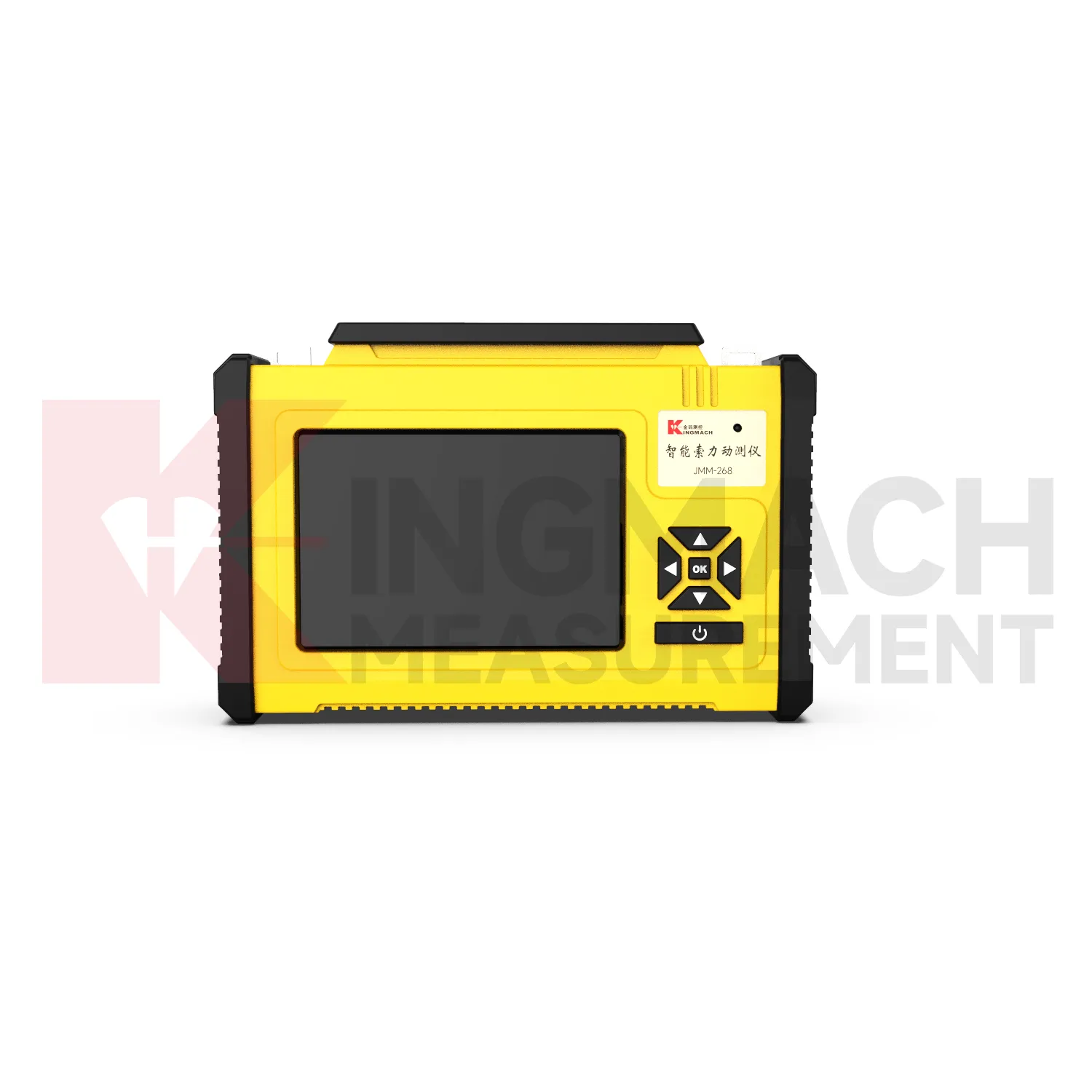
Cable force measuring instrument JMM-268L-1、2
View Details
FAQ
It depends on the radio band and obstructions. Sub‑1 GHz loggers often cover 300–500 meters outdoors with clear line‑of‑sight. 2.4 GHz models are more limited, perhaps 50–100 meters indoors, but offer faster data rates. Walls, metal racks, and machinery reduce range; a site survey helps.
Most industrial loggers accept thermocouples (Type K, J, T) or RTDs like Pt100. Some have universal inputs that auto‑detect the sensor. Verify the logger’s cold‑junction compensation for thermocouples and the excitation current for RTDs to get accurate readings.
Battery life varies with sampling and transmission frequency. A logger recording every 15 minutes and transmitting once an hour might run on two AA lithium cells for over a year. Real‑time streaming drains batteries much faster. Models with external power or energy‑harvesting options are available for intensive logging.
Often yes, if the logger outputs standard protocols. Many use Modbus over RS‑485 or TCP, or push data via MQTT to platforms like AWS IoT. Some brands require their own cloud portal. Ask about CSV export or API access before you buy.
Factory calibration typically holds for a year or two, after which drift can occur. Recalibration involves comparing the logger against a reference thermometer in a stable bath or dry‑block. Some suppliers offer recalibration services; if you need ISO 17025 certificates, confirm they’re included.
Share your product type, target capacity, and application requirements. Our team can review the details and recommend a practical next step.
If you are interested in our products or want to become our partner.
Please leave your contact information, our team will contact you as soon as possible.
Mail: [email protected]
Contact Us: +8613808434127
Address: No. 188 Tongzipo West Rd, Changsha, Hunan, China