
 EN
EN
 ar
ar bg
bg hr
hr cs
cs da
da nl
nl fi
fi fr
fr de
de el
el hi
hi it
it ko
ko no
no pl
pl pt
pt ro
ro ru
ru es
es sv
sv tl
tl iw
iw id
id lv
lv lt
lt sr
sr sk
sk sl
sl uk
uk vi
vi et
et hu
hu th
th tr
tr fa
fa ms
ms hy
hy ka
ka ur
ur bn
bn mn
mn ta
ta kk
kk uz
uz ku
ku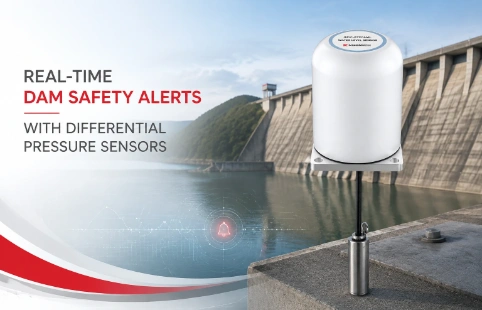
Real-Time Dam Safety Alerts with Differential Pressure Water Level Sensors
Key Takeaways An alert chain needs more than a sensor: define field in...

Total Earth Pressure Cell for Soil Stress Monitoring
Soil pressure measurements don't usually come to mind until a retaining wall starts to tilt or settlement appears where it shouldn't. That's where a total earth pressure cell finds its purpose. Kingmach, a focused manufacturer of geotechnical instruments, supplies these cells to engineers and contractors who need a direct reading of total stress in the ground. Rather than listing generic advantages, it's more helpful to consider the real applications: embankment monitoring during staged construction, tunnel lining stress, or backfill pressure behind bridge abutments. The cell sits in the soil and gets buried, often for years, so ruggedness and stability matter more than marketing words. Kingmach offers customization for specific pressure ranges, sizes, and output types to match different data loggers. Their global distribution and technical support help when installation questions arise, especially in less conventional ground conditions.
Technical Detail
A total earth pressure cell measures the combined stress from soil, water, and any overlying structure at a single plane. In practice, you place the cell inside the fill or cast it into concrete, and it sends a signal proportional to the pressure acting on its diaphragm. Kingmach's cells are built with stainless steel housings to resist corrosion in wet environments, and the diaphragm is often a thin, hardened alloy designed to flex under load without permanent deformation. Most models use a fluid-filled inner cavity that transmits pressure to a sensing element; vibrating wire sensors are common because they resist signal degradation over long cables and offer good long-term stability. If the project requires a different output, strain gauge-based versions are also available. Kingmach can adjust the pressure range from tens of kilopascals up to several megapascals, depending on whether the job is a shallow utility trench or a deep mine stope. Temperature compensation is built into the design, typically through a thermally matched fluid or a secondary temperature sensor. Installation accessories like soil pads, mortar blocks, and junction boxes are included to make the process less guesswork. The cells are shipped with calibration sheets that show the specific sensitivity and zero offset for that unit, so you can plug the numbers directly into your data acquisition system. Because no two sites are the same, Kingmach also takes custom orders for non-standard dimensions or mounting brackets, working off sketches from the project engineer.
News
Key Takeaways An alert chain needs more than a sensor: define field in...
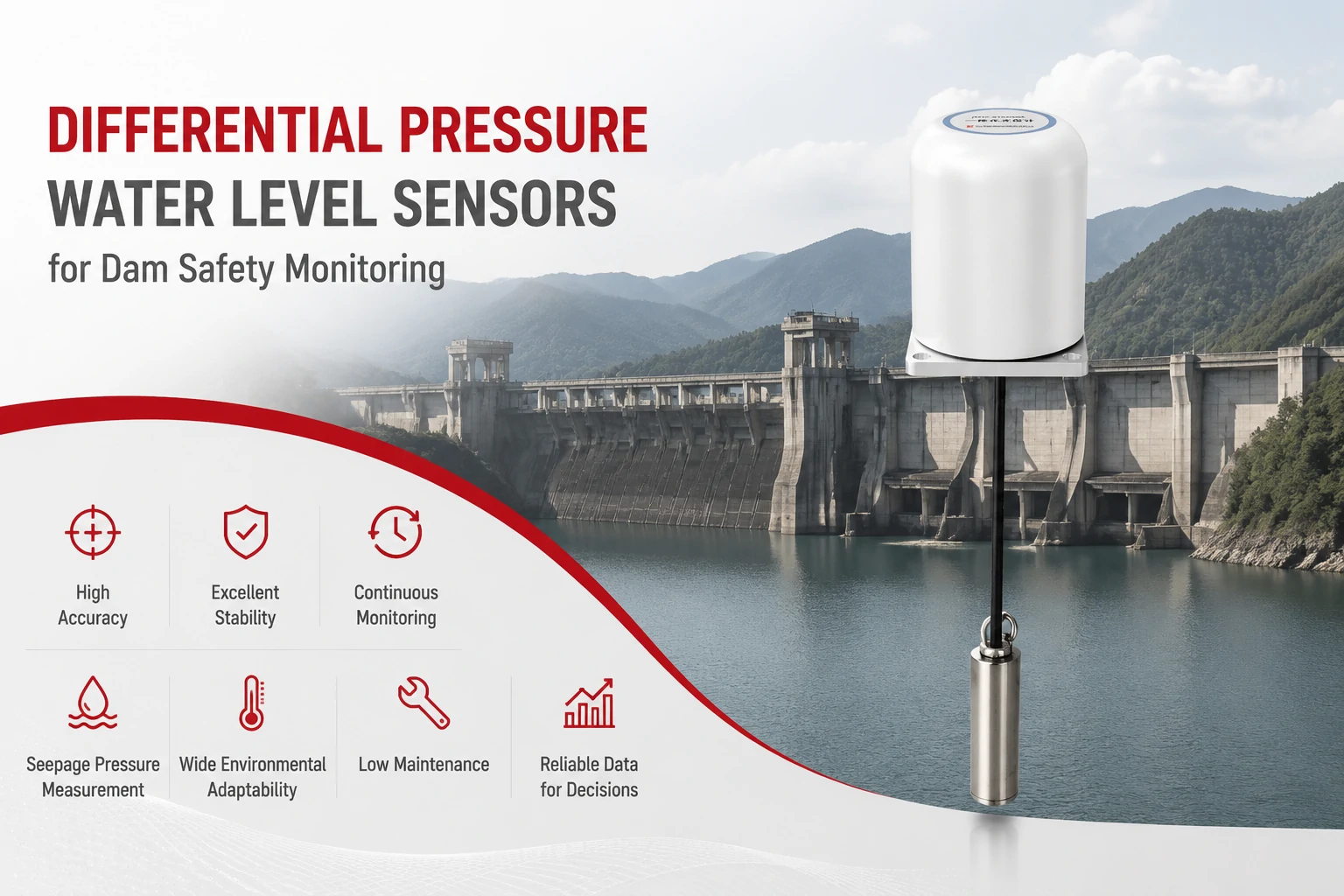
Key Takeaways The strongest fit is usually a confined, submerged, or s...
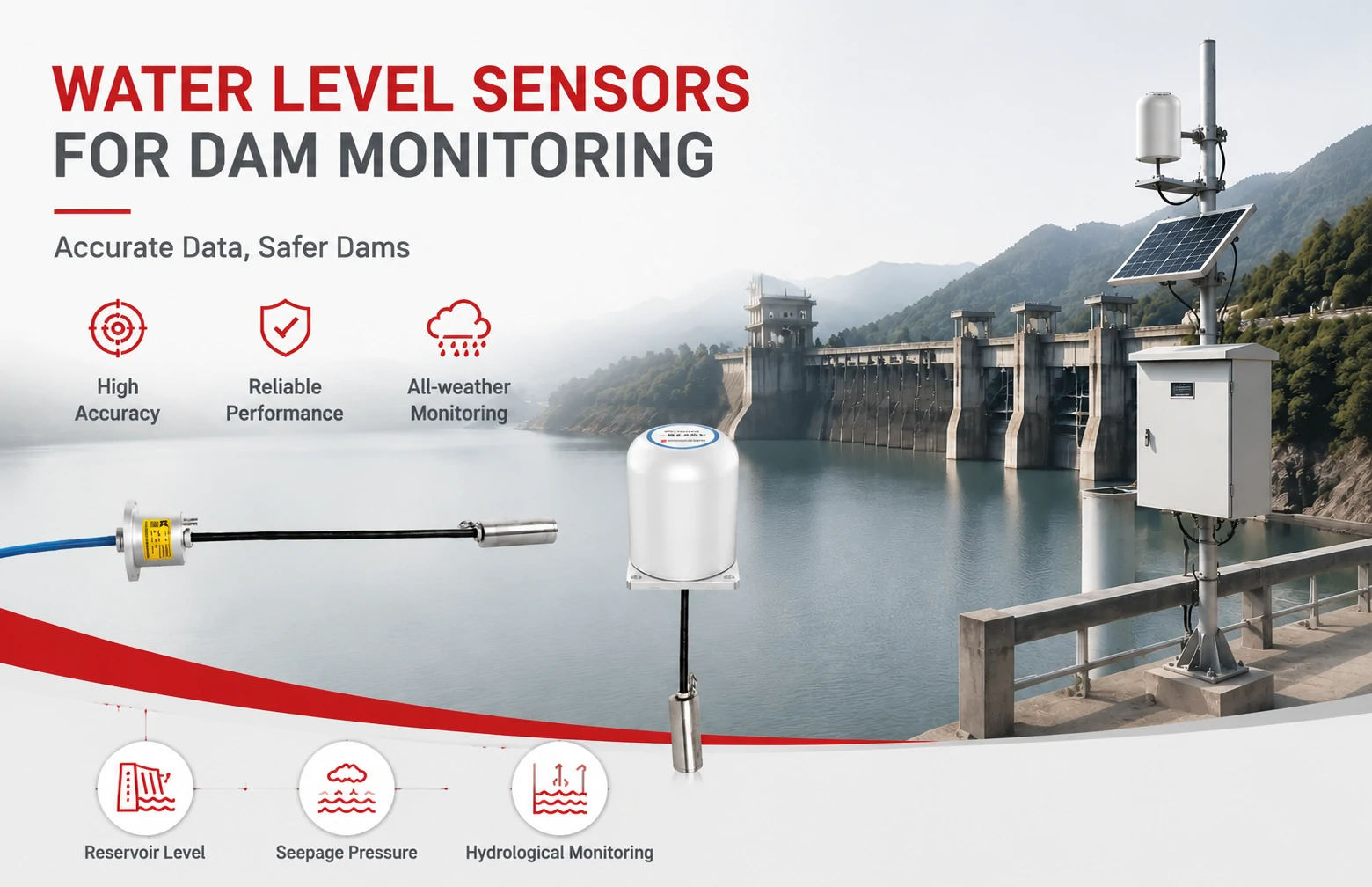
Kingmach Water Level Sensors for Dam Monitoring: A Buyer's Guide to Differential Pre...
Products
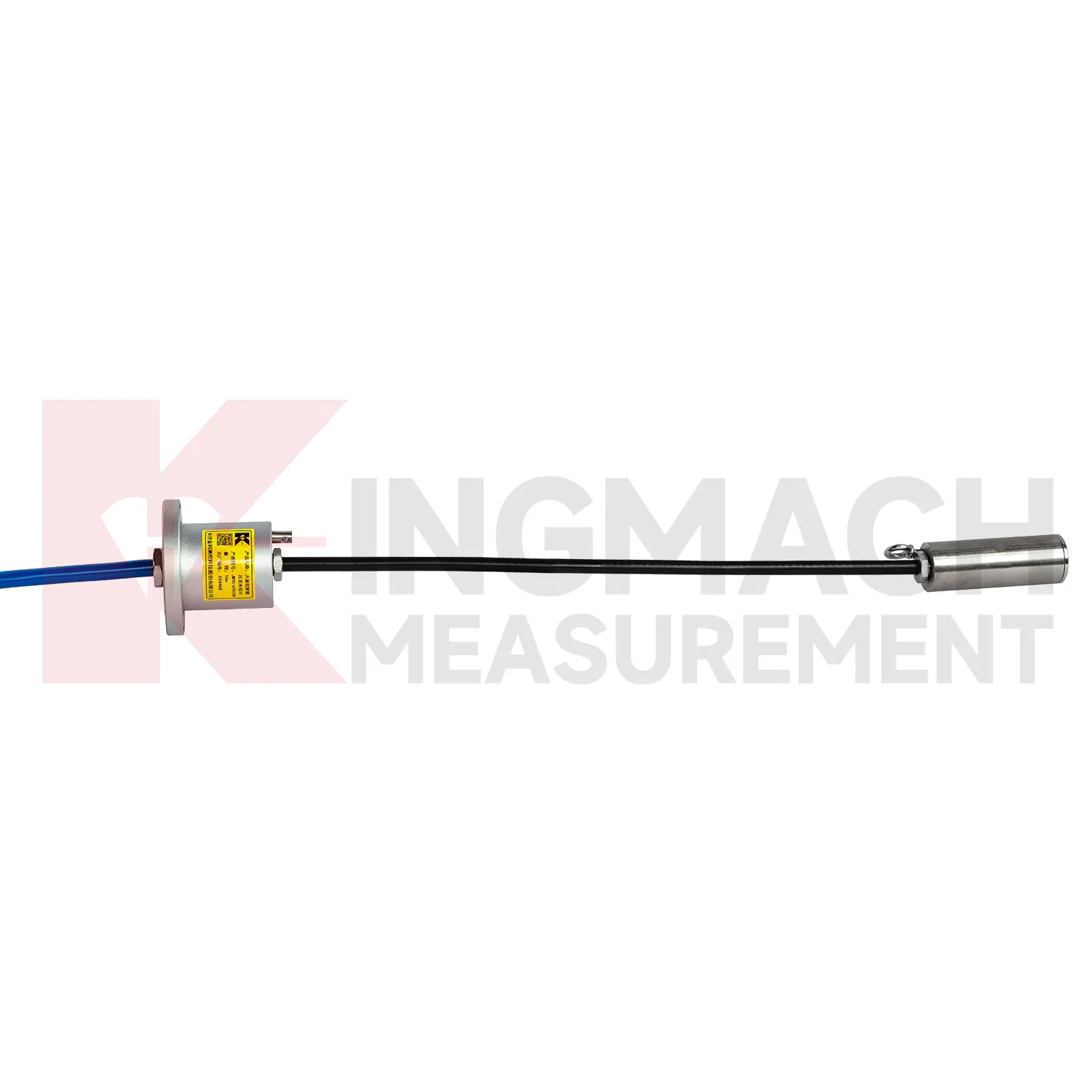
Wide-Range Smart Differential Pressure Water Level Meter JMYC-67XXAD
View Details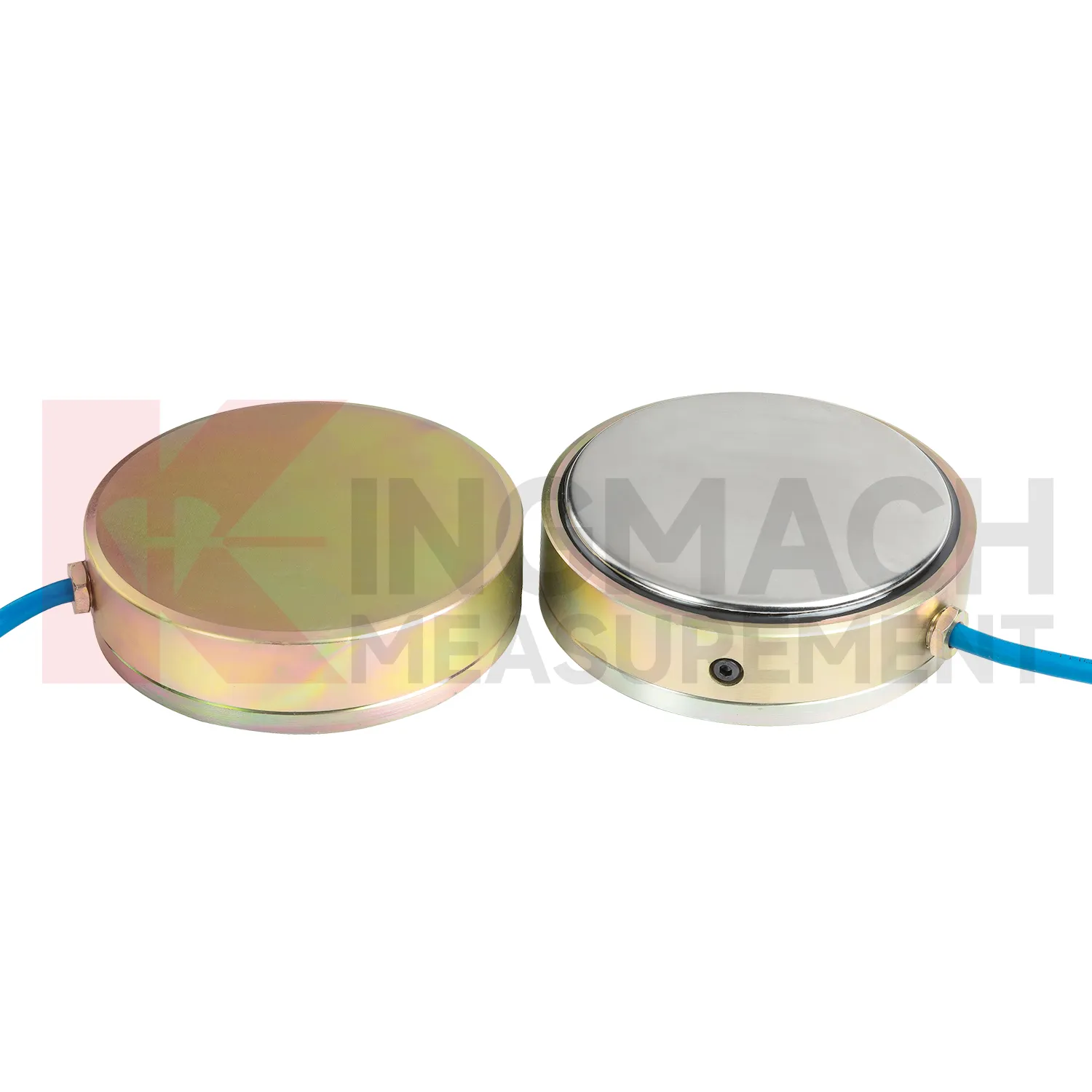
Large Earth Pressure Cell ( VW & Smart Type) JMZX-51XXAT/ ATM
View Details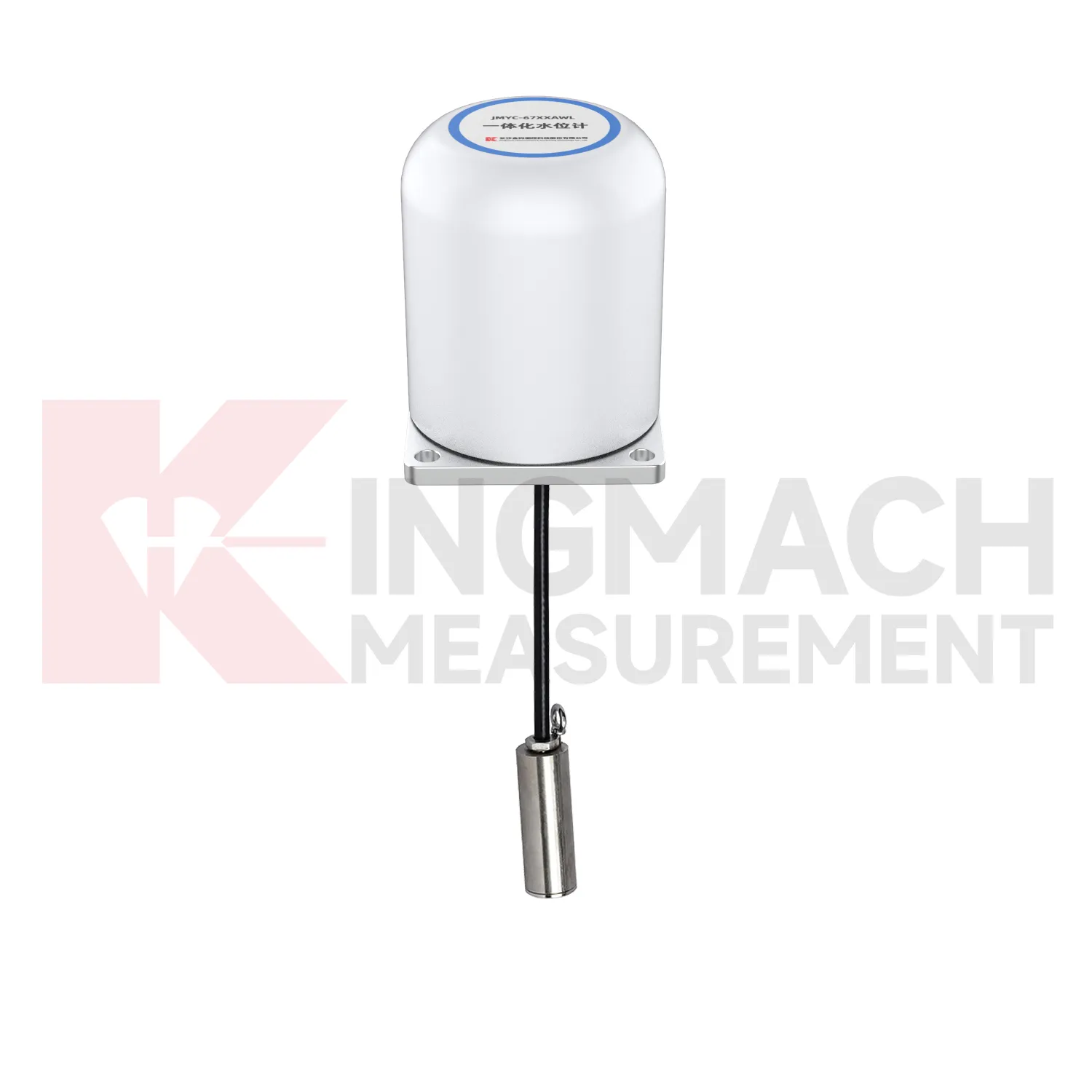
Integrated Wide-Range Differential Pressure Water Level Meter JMYC-67XXAWL
View DetailsFAQ
A total earth pressure cell measures the combined stress from soil particles and water in the pores. A pore pressure sensor, like a piezometer, measures only the water pressure. To get effective soil stress, you often use both readings together, subtracting the pore pressure from the total pressure.
Most Kingmach total earth pressure cells use a vibrating wire output, which is a frequency signal that travels well over long cables. Some models can be made with a millivolt or 4-20 mA output if your datalogger requires that. You can specify the output type when ordering.
Yes. Kingmach regularly builds cells with non-standard ranges, whether you need a very low range for shallow fills or a high range for deep mining applications. The diaphragm thickness and material are adjusted to match the requirement, and calibration is done accordingly.
In soft soil, it's common to use a soil pad or a small sand pocket around the cell to make sure the load is evenly distributed and no point loads develop. The cell should lie flat and be bedded carefully to avoid trapped air. Many engineers also place a filter fabric around the assembly to prevent fine particles from migrating into the gap.
Once buried, a total earth pressure cell is meant to stay in place, so very little maintenance is possible. Before installation, you should check the zero reading and verify the cable integrity. After that, periodic checks of the reading against expected trends are the main thing. If you have temperature sensors built in, you can also correct for thermal effects.
Share your product type, target capacity, and application requirements. Our team can review the details and recommend a practical next step.
If you are interested in our products or want to become our partner.
Please leave your contact information, our team will contact you as soon as possible.
Mail: [email protected]
Contact Us: +8613808434127
Address: No. 188 Tongzipo West Rd, Changsha, Hunan, China