
 EN
EN
 ar
ar bg
bg hr
hr cs
cs da
da nl
nl fi
fi fr
fr de
de el
el hi
hi it
it ko
ko no
no pl
pl pt
pt ro
ro ru
ru es
es sv
sv tl
tl iw
iw id
id lv
lv lt
lt sr
sr sk
sk sl
sl uk
uk vi
vi et
et hu
hu th
th tr
tr fa
fa ms
ms hy
hy ka
ka ur
ur bn
bn mn
mn ta
ta kk
kk uz
uz ku
ku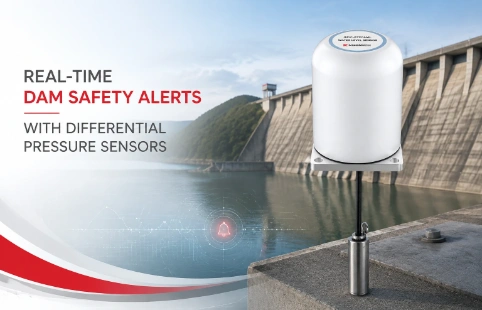
Real-Time Dam Safety Alerts with Differential Pressure Water Level Sensors
Key Takeaways An alert chain needs more than a sensor: define field in...

Vibration Measurement Sensors That Work in the Real World
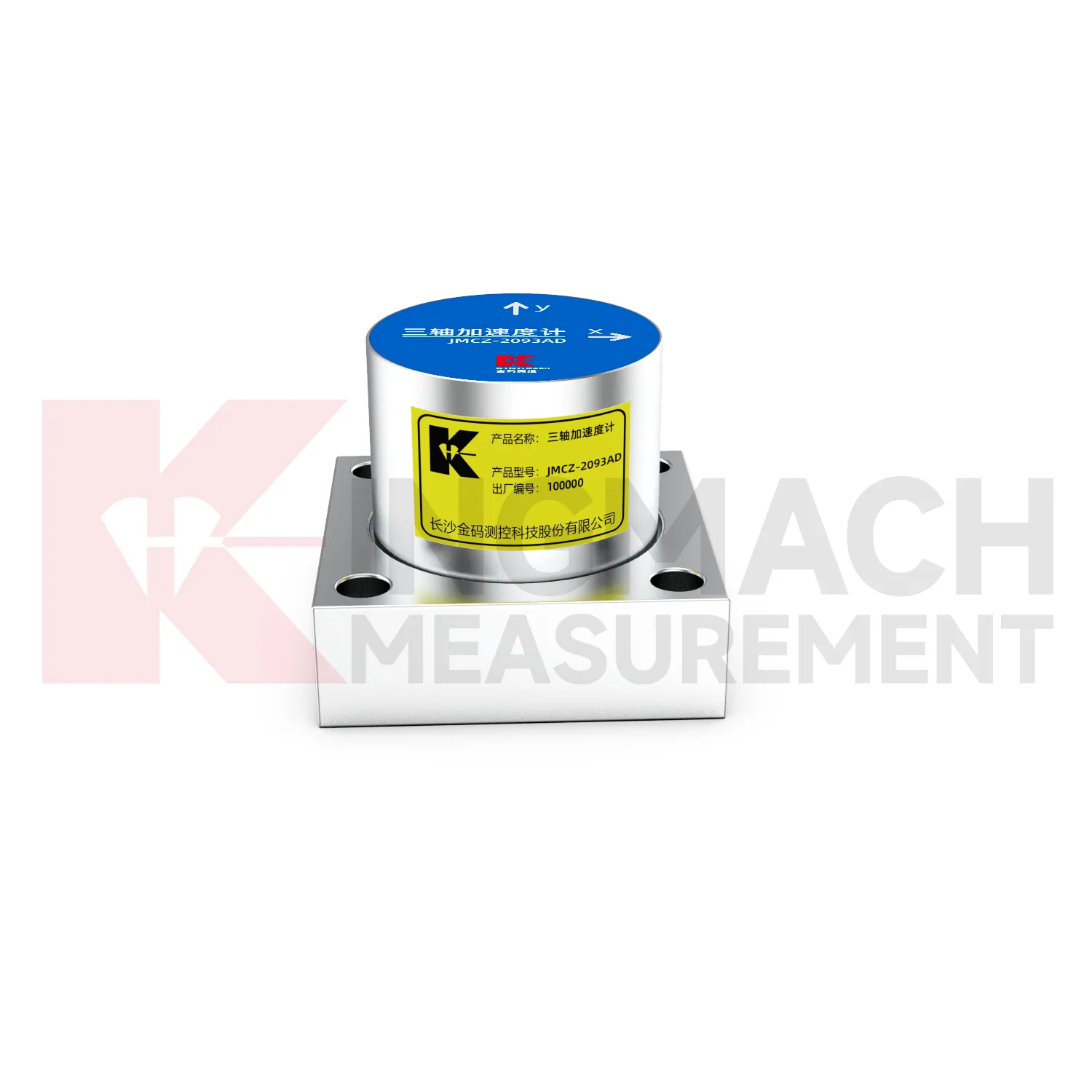
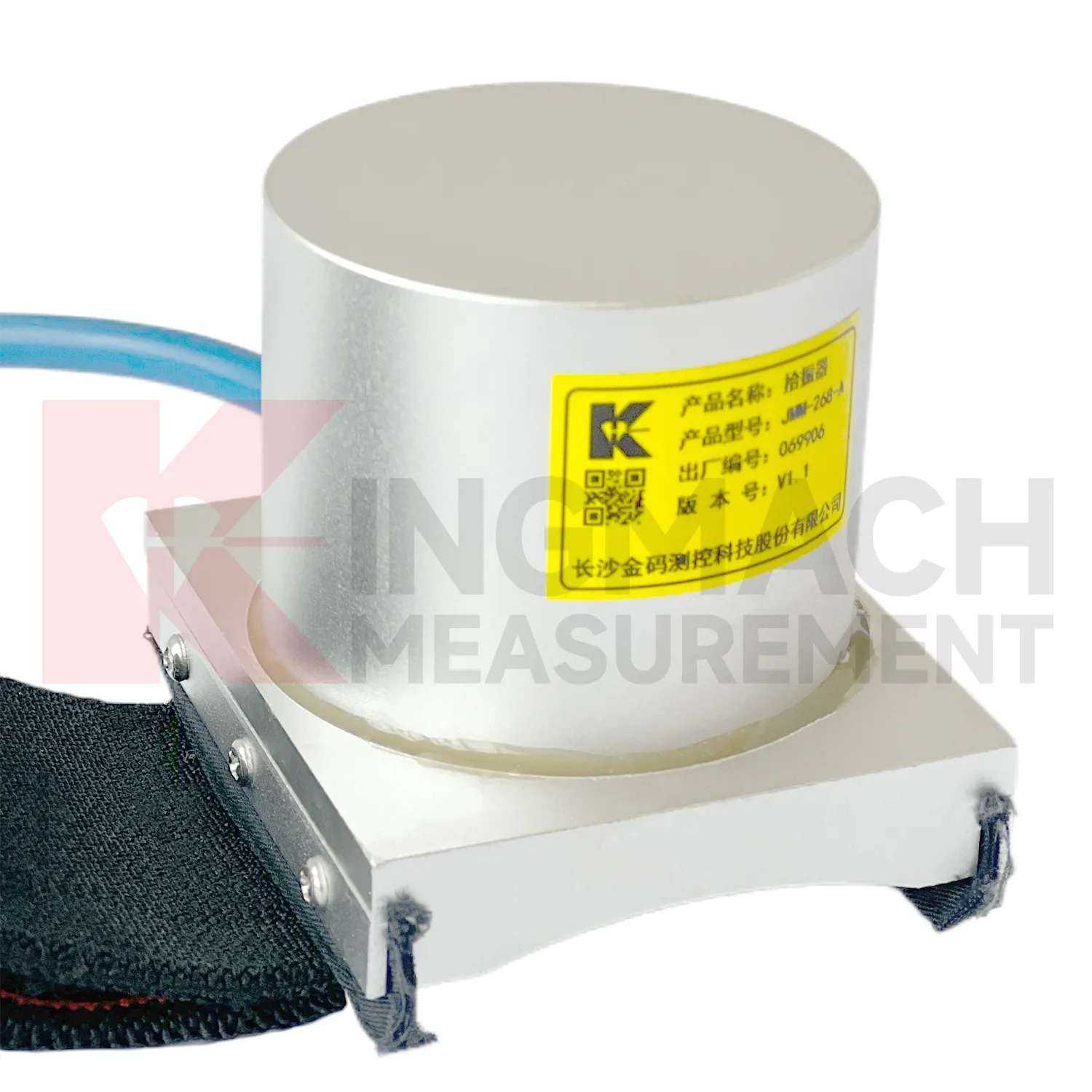
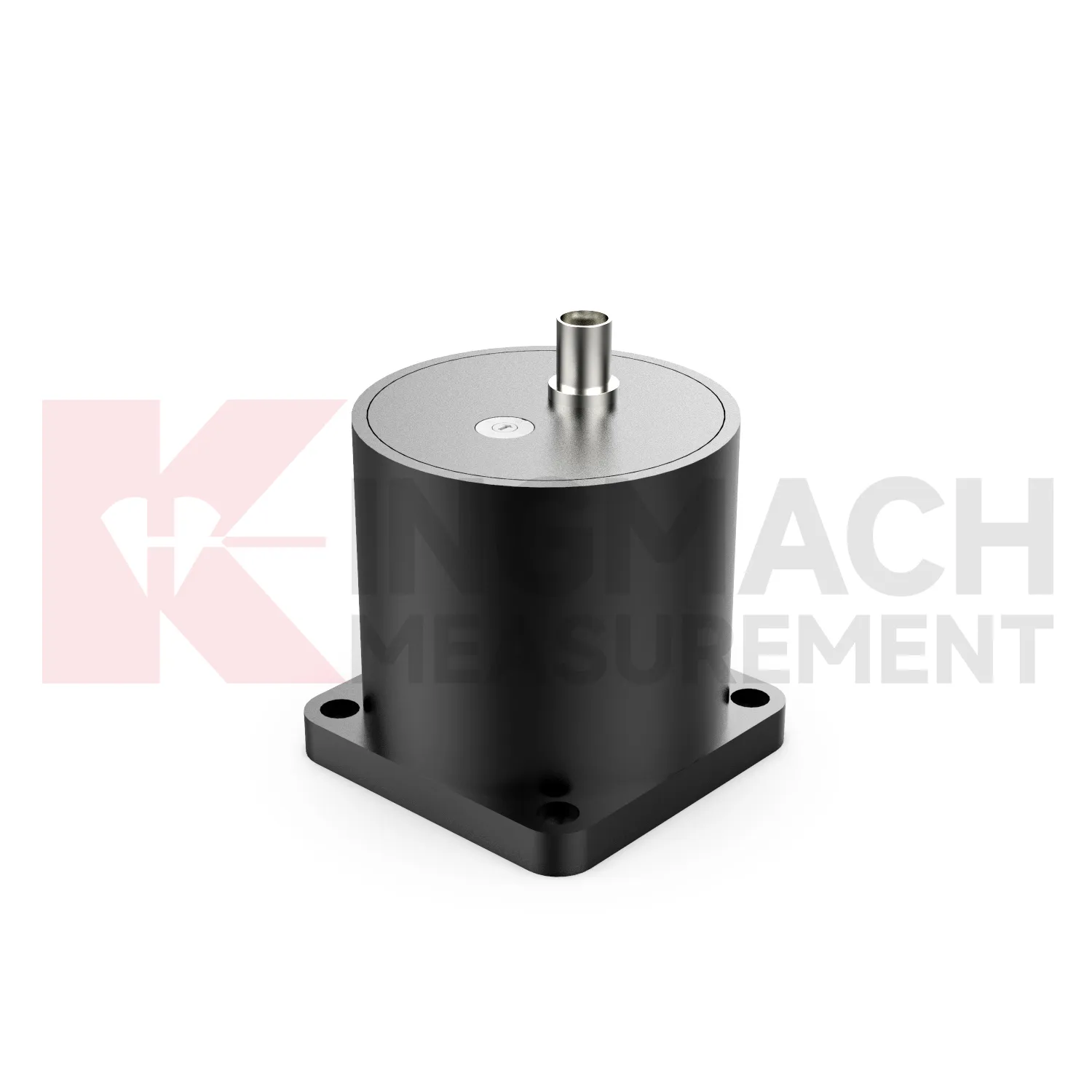
Engineers working on dams, tunnels, and tall structures know that vibration isn't just a number—it's a signal that something might be changing. A good vibration measurement sensor picks up those early signs before they turn into problems. At Kingmach Measurement & Monitoring Technology, we focus on geotechnical instruments that do exactly that. Our vibration sensors are built for the rough conditions of construction sites and long-term monitoring projects. We carry a wide range of options, and if a standard model doesn't fit your job, we can customize one. The goal is to give you data you can actually use, without fussing over complicated setups or fragile hardware. Over the years, our products have been shipped to project sites around the world, backed by technical support when you need it.
Technical Detail
Choosing a vibration measurement sensor often comes down to how well it holds up in the field. Kingmach designs its sensors with that in mind. The housings are rugged, the connections are secure, and the output signals are stable enough for data loggers and PLCs. Many of our models cover a broad frequency range, so one sensor can capture both low-frequency ground movements and higher-frequency machinery vibrations—useful on mixed-use sites. Sensitivity is another area where we pay attention. Higher sensitivity means you can detect smaller changes, which matters when monitoring delicate structures or early-stage soil shifts. We also offer different mounting styles, from surface pads to borehole probes, to match installation needs. Since every project has its own requirements, our team can adjust cable lengths, connector types, and even full-scale ranges. That flexibility has helped us support monitoring networks on bridges, mines, and historical buildings. With a solid global distribution network, we try to make sure you can get the right vibration measurement sensor without long lead times. And if something isn't working, our after-sales engineers are available to help troubleshoot.
News
Key Takeaways An alert chain needs more than a sensor: define field in...
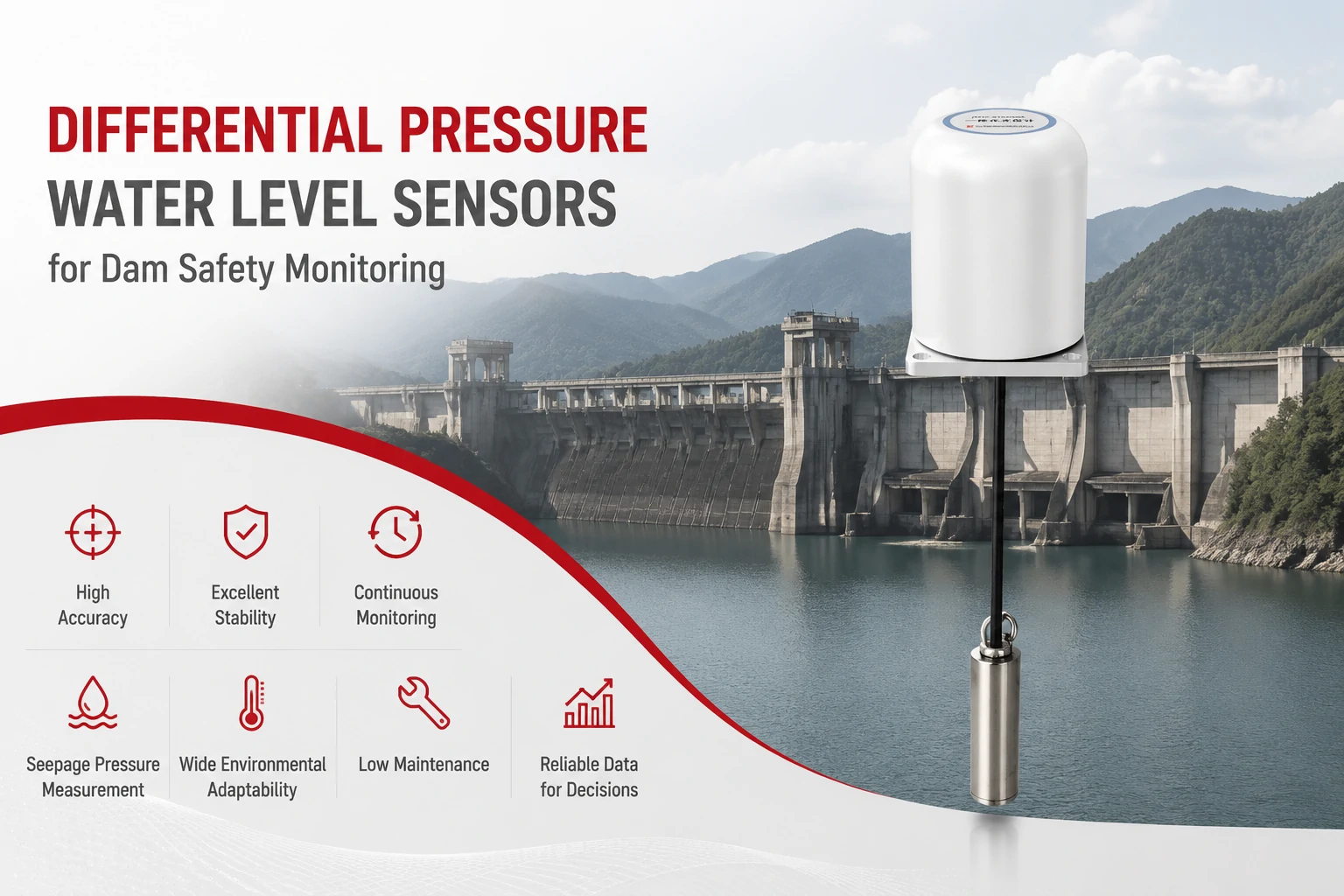
Key Takeaways The strongest fit is usually a confined, submerged, or s...
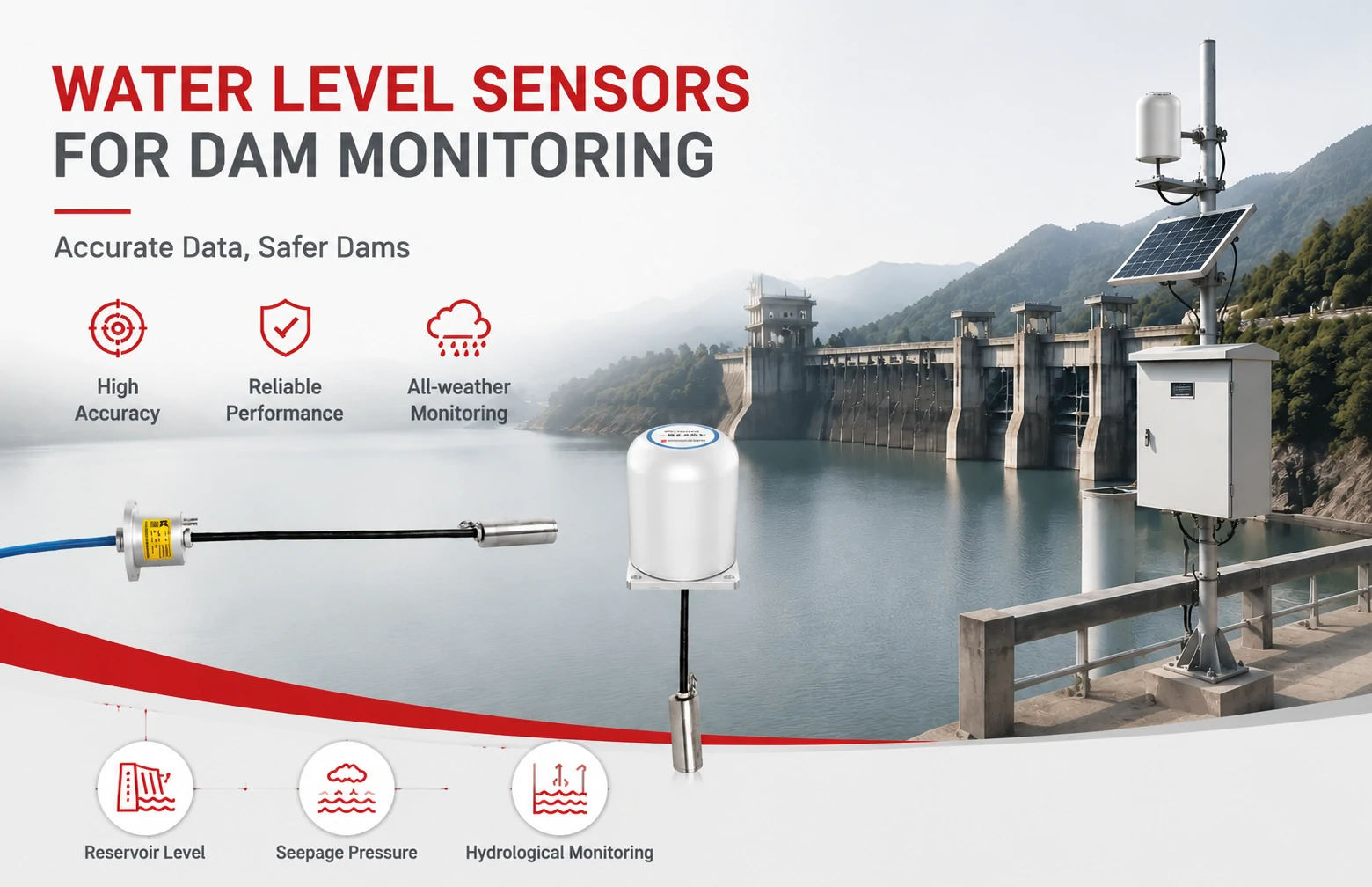
Kingmach Water Level Sensors for Dam Monitoring: A Buyer's Guide to Differential Pre...
Products
FAQ
A velocity sensor gives you a direct reading of how fast a point is moving, which is often preferred for building and ground monitoring because limits are commonly set in velocity units. An acceleration sensor measures the rate of change of velocity, which can then be integrated to get velocity. Accelerometers are typically smaller and can measure higher frequencies. Kingmach offers both types, so you can choose based on what your monitoring standard requires.
It depends on the vibration levels and frequencies you expect. A bridge might see higher frequencies from traffic, while a tunnel could have lower-frequency ground movements. Many of our sensors have a wide enough bandwidth to handle both, but you'll want to check the sensitivity and range specifications. If you're unsure, our technical support can look at your project details and recommend which model fits.
No, they work with standard loggers that accept voltage or current output. Most of our vibration measurement sensors output a 4-20 mA or 0-5 V signal, which is common in industrial monitoring. Just match the input channel on your existing equipment. We can also adjust the output if needed.
We can modify cable lengths, connectors, mounting hardware, and measurement ranges. For bigger orders, we've changed housing materials and even the sensing element configuration. Tell us what you need, and we'll give you a feasibility and cost estimate.
With proper installation, several years. Our housings are rated IP65 or higher, so they resist dust and water. The main wear factors are extreme temperatures and constant high vibration, but even then, we see them performing reliably for the design life of typical monitoring projects. Regular calibration checks help too.
Share your product type, target capacity, and application requirements. Our team can review the details and recommend a practical next step.
If you are interested in our products or want to become our partner.
Please leave your contact information, our team will contact you as soon as possible.
Mail: [email protected]
Contact Us: +8613808434127
Address: No. 188 Tongzipo West Rd, Changsha, Hunan, China