
 EN
EN
 ar
ar bg
bg hr
hr cs
cs da
da nl
nl fi
fi fr
fr de
de el
el hi
hi it
it ko
ko no
no pl
pl pt
pt ro
ro ru
ru es
es sv
sv tl
tl iw
iw id
id lv
lv lt
lt sr
sr sk
sk sl
sl uk
uk vi
vi et
et hu
hu th
th tr
tr fa
fa ms
ms hy
hy ka
ka ur
ur bn
bn mn
mn ta
ta kk
kk uz
uz ku
ku
Smart Single-Point /Bedrock Displacement Meter
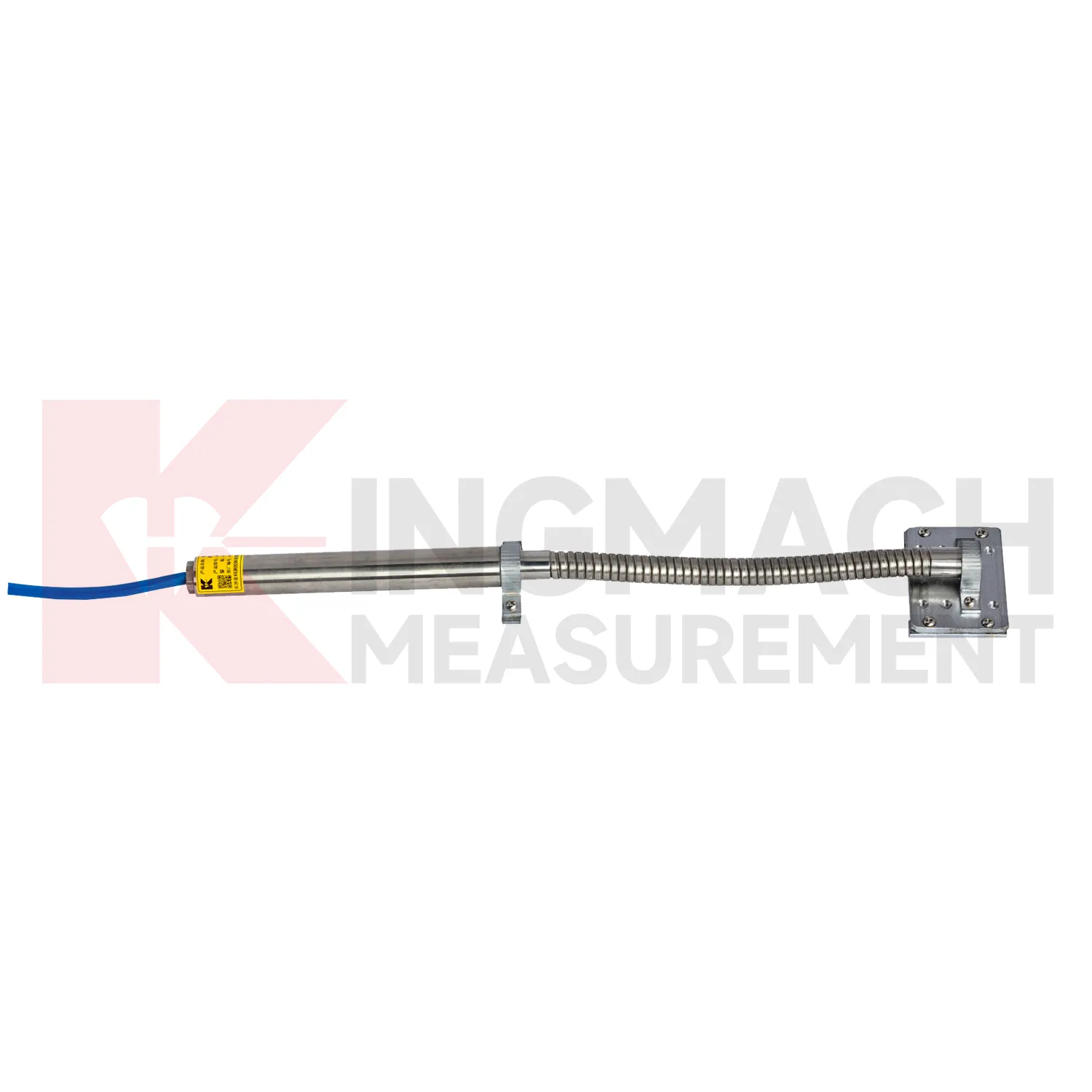
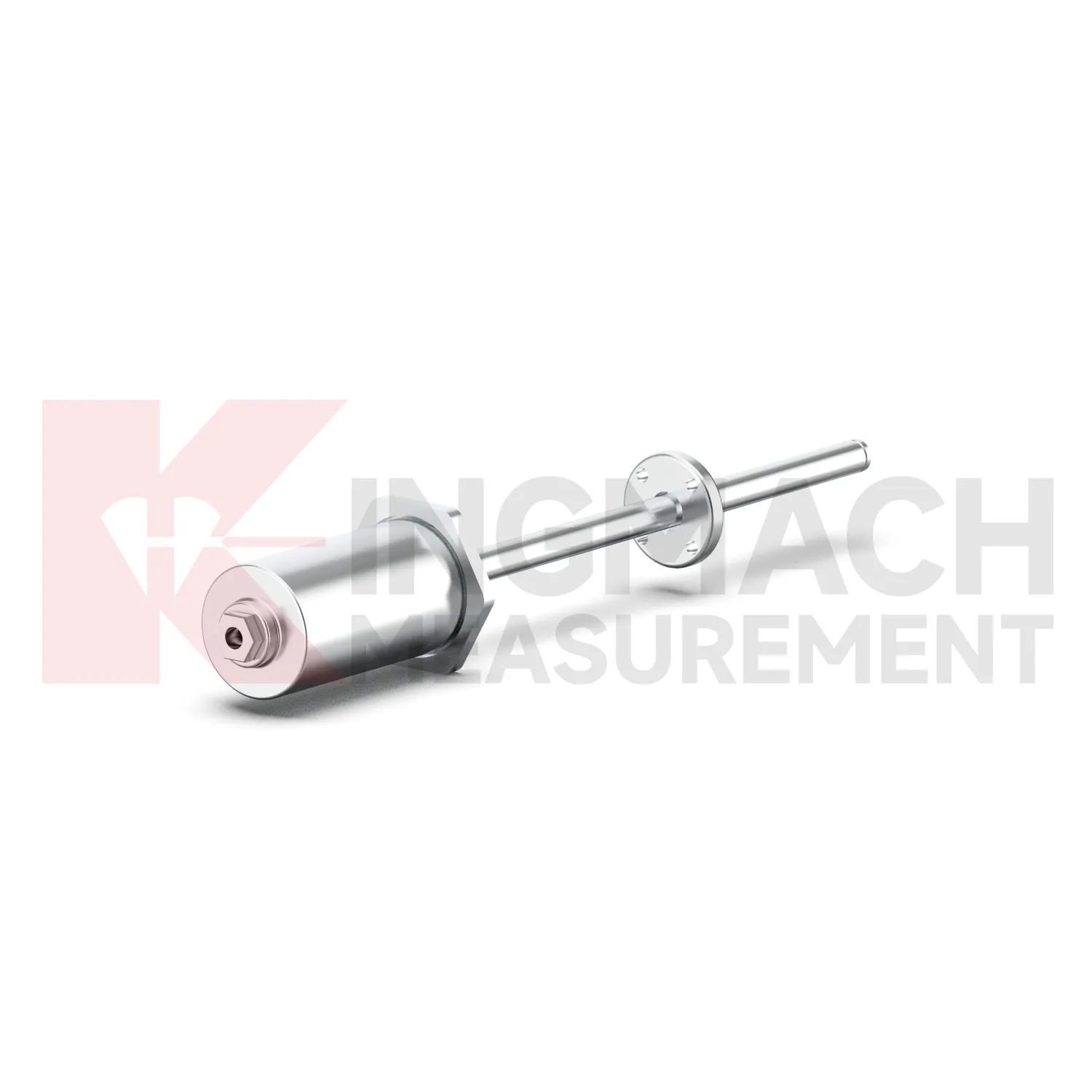
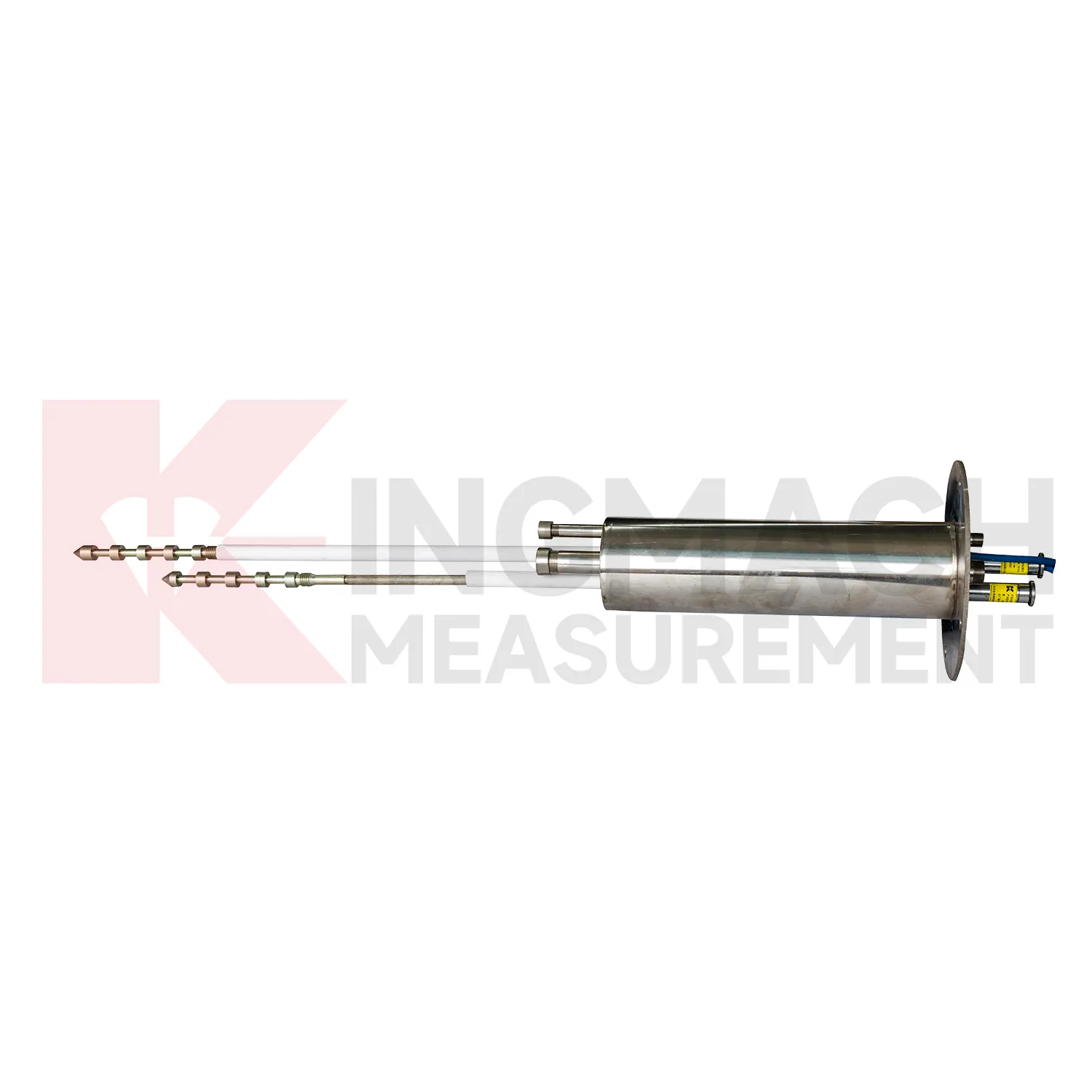
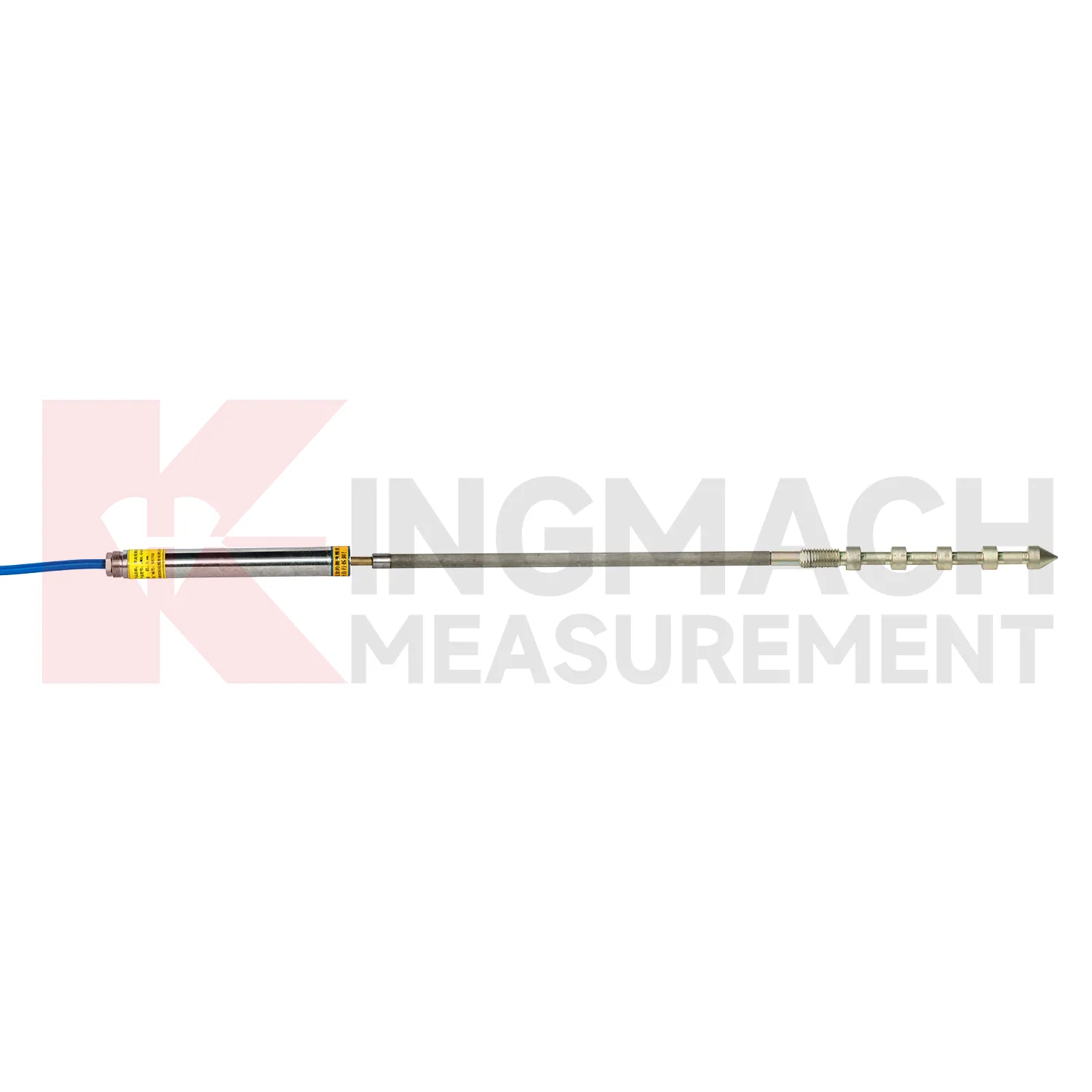
Kingmach Smart Single-Point /Bedrock Displacement Meter include the JMDL-31XXAT Smart Multipoint Displacement Meter for tunnels, rock slopes, foundation pits, and surrounding rock layers. The product uses displacement gauges, PVC measuring rod protective tubes, anchor heads, and multipoint installation kits that support three to five monitoring points. Installation is performed by drilling and grouting, with anchor heads fixed at different depths so each layer can be observed separately. Listed models include 50 mm, 100 mm, and 200 mm ranges, all with 0.01 mm resolution. The sensing principle uses an LC oscillation circuit: as the measuring rod moves inside the coil, magnetic reluctance and inductance change, causing the output frequency to change in a linear relationship with displacement. Because the rod and coil work without contact, the structure is less vulnerable to mechanical damage during installation. The built-in memory stores model, serial number, calibration coefficients, and up to 600 measurement records for later traceability. During project setup, the measuring point should be matched with the expected travel direction, available mounting space, cable route, and required acquisition interval. This prevents a short-range joint instrument from being used on a long-travel point, or an exposed sensor from being placed where an embedded anchor is needed. It also helps the monitoring team set a baseline that can be defended during acceptance and later maintenance review.
Application of Smart Single-Point /Bedrock Displacement Meter
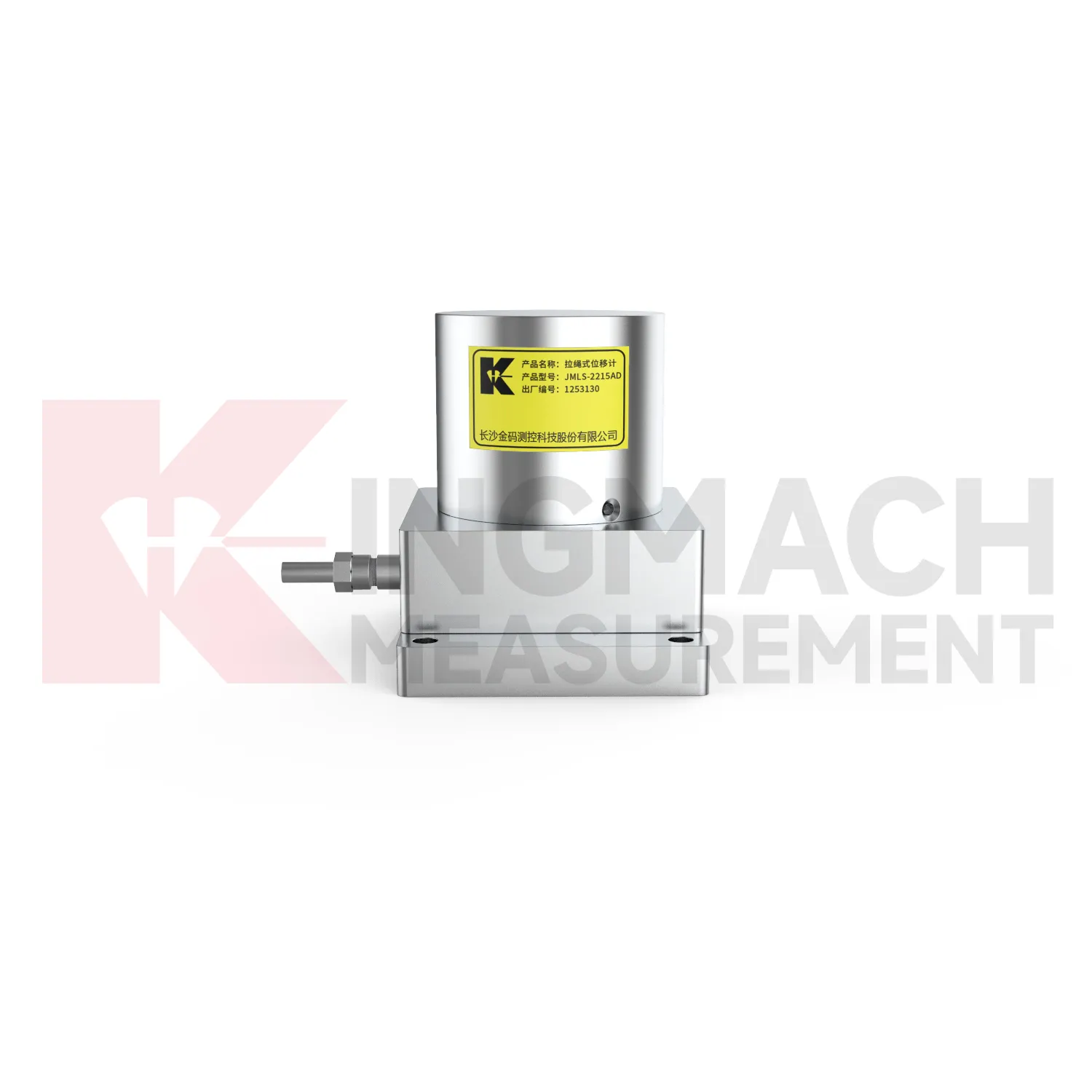
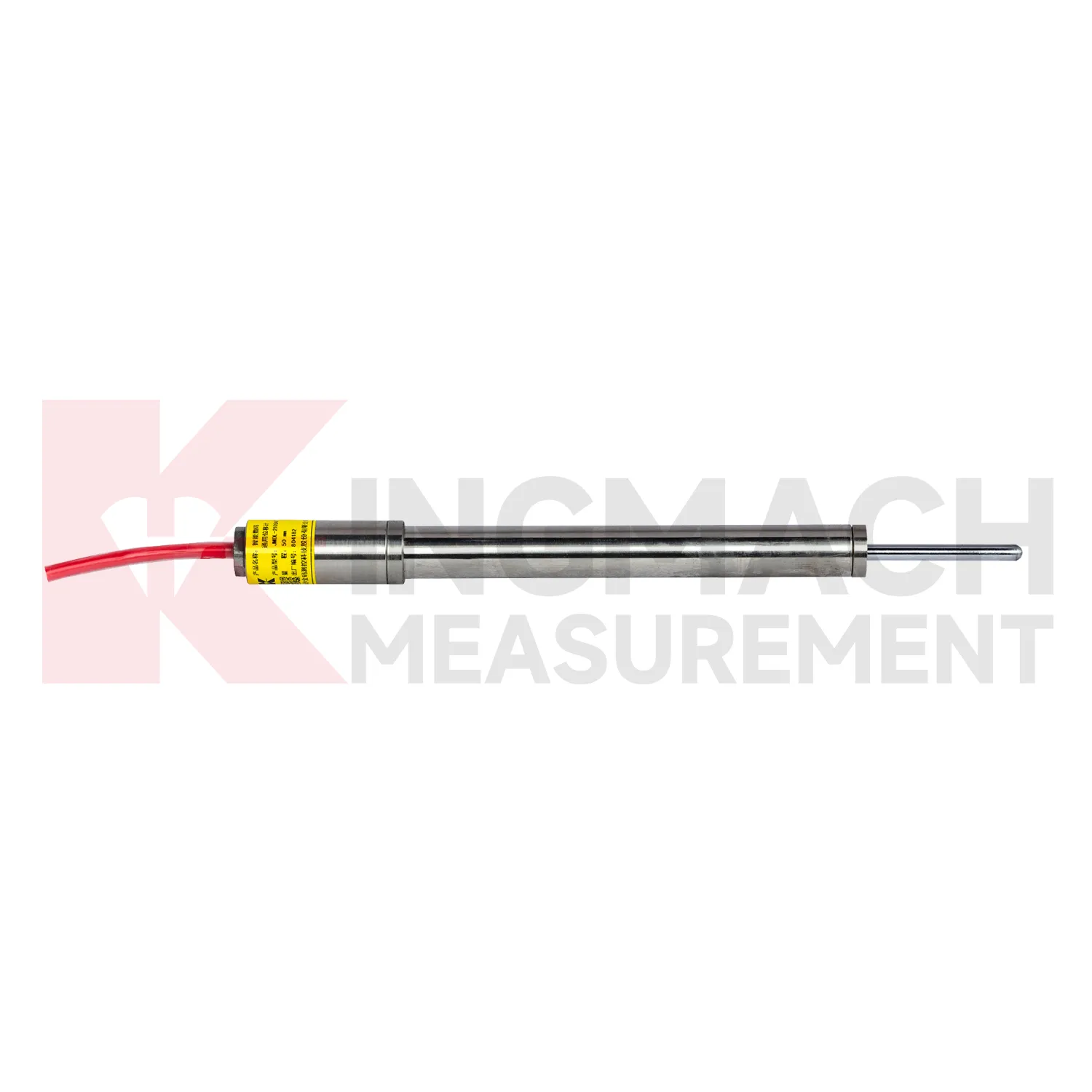
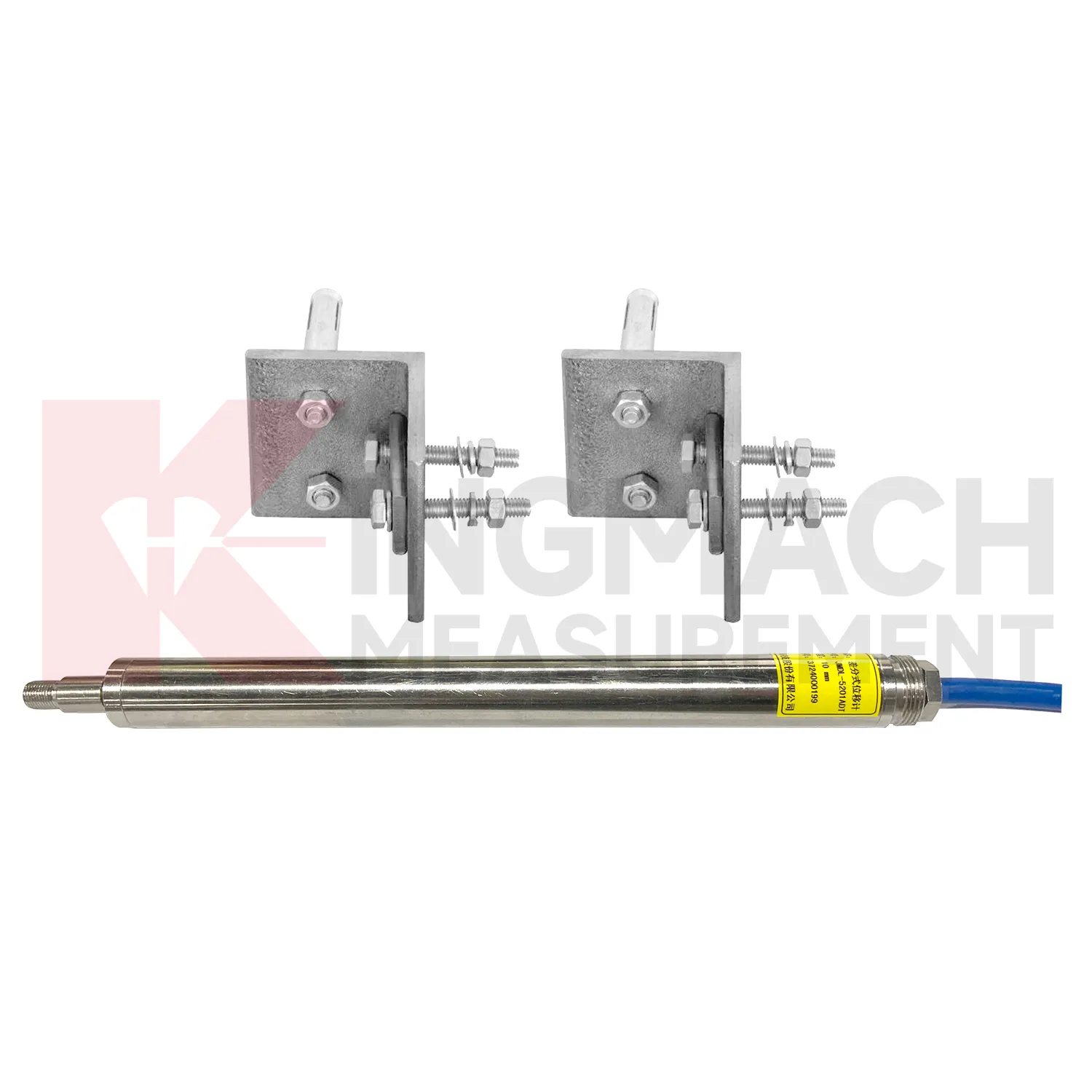
In dam and hydropower projects, Smart Single-Point /Bedrock Displacement Meter can track joint opening, bedrock deformation, gate position, dam body movement, tunnel portal movement, and displacement between monitoring points. The pain point is long service life under water level fluctuation, seepage, temperature change, and difficult access. Kingmach JMDL-32XXAT single-point bedrock meters are designed for dam bedrock deformation and provide 50 mm, 100 mm, and 200 mm ranges with 0.01 mm resolution. JMDL-52XXADT differential meters can monitor relative movement in concrete joints with RS485 digital output and plus or minus 0.1%FS accuracy. JMCW-21XXADT magnetostrictive meters provide 0 to 1000 mm absolute position measurement for gates, equipment stroke, or structural movement. JMLS-22XXADT wire rope sensors support up to 2000 mm for larger displacement paths. Combined with water level, seepage, strain, and temperature monitoring, displacement data helps dam managers understand deformation behavior across operating cycles. During operation, the monitoring team should keep the baseline, temperature, inspection notes, and nearby sensor behavior in the same review file. This makes it easier to tell whether a movement trend comes from normal service, a repair event, changing load, water influence, or developing structural risk. Clear records also help owners decide when a field inspection is needed instead of waiting for visible damage.
The future of Smart Single-Point /Bedrock Displacement Meter
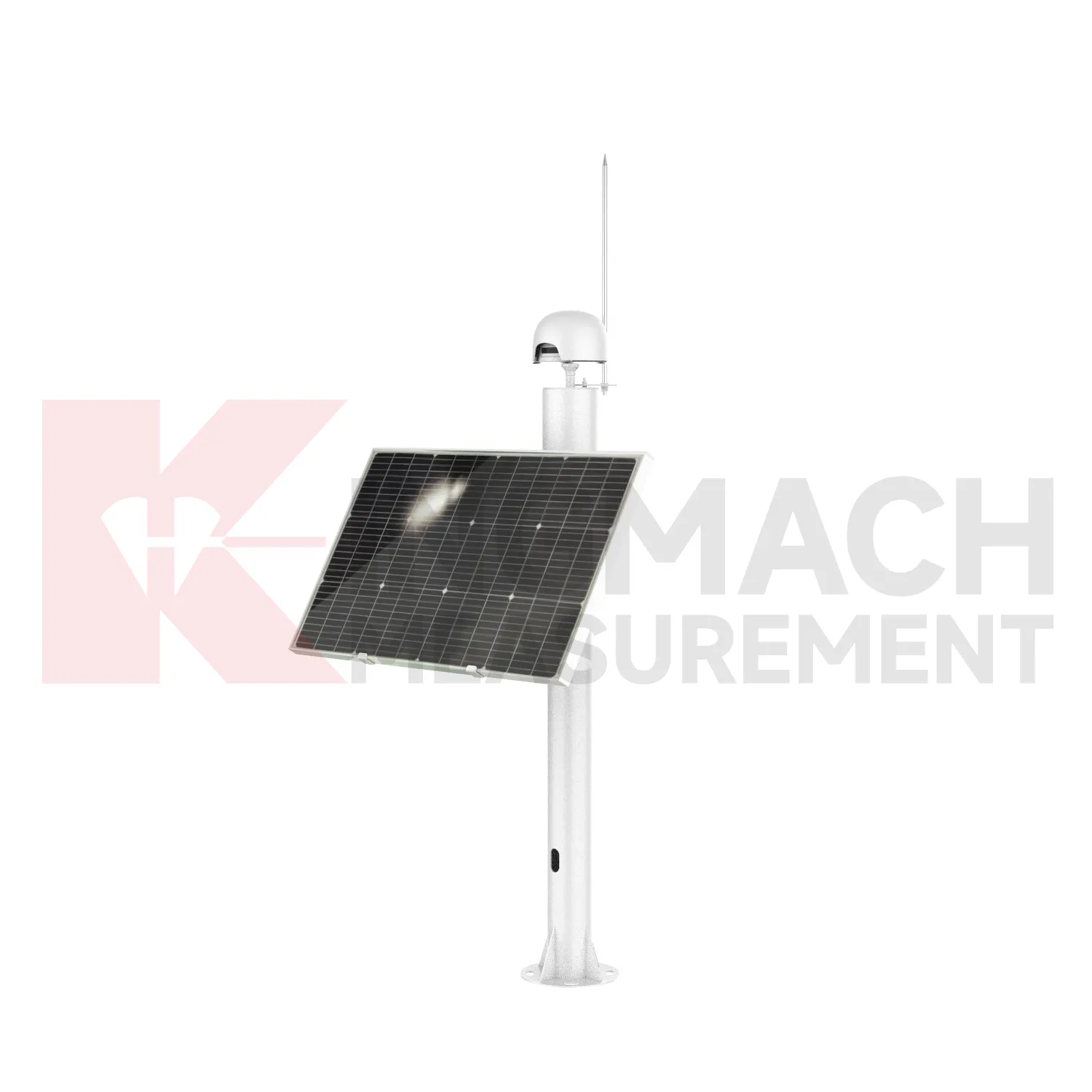
Wireless and low-power networks will change how Smart Single-Point /Bedrock Displacement Meter are deployed on difficult sites. Many displacement points are located on slopes, dam shoulders, tunnel portals, remote rail subgrades, or temporary construction zones where cabling is expensive and easy to damage. Kingmach displacement products already support automatic acquisition in several forms, and future field layouts can combine wired RS485 points, LoRa or 4G gateways, solar power, and compact edge devices. The engineering task will be to preserve reliable baselines while reducing field maintenance. Sensors with built-in memory and stored calibration data help because the point can retain key identity information even when a gateway is replaced. Remote power planning, connector sealing, lightning protection, and clear channel naming will become as important as the sensor range itself. For remote terrain, the biggest gain will be fewer unnecessary site visits: teams can review battery status, data gaps, and movement direction before sending technicians into a hazardous or hard-to-access location.
Care & Maintenance of Smart Single-Point /Bedrock Displacement Meter
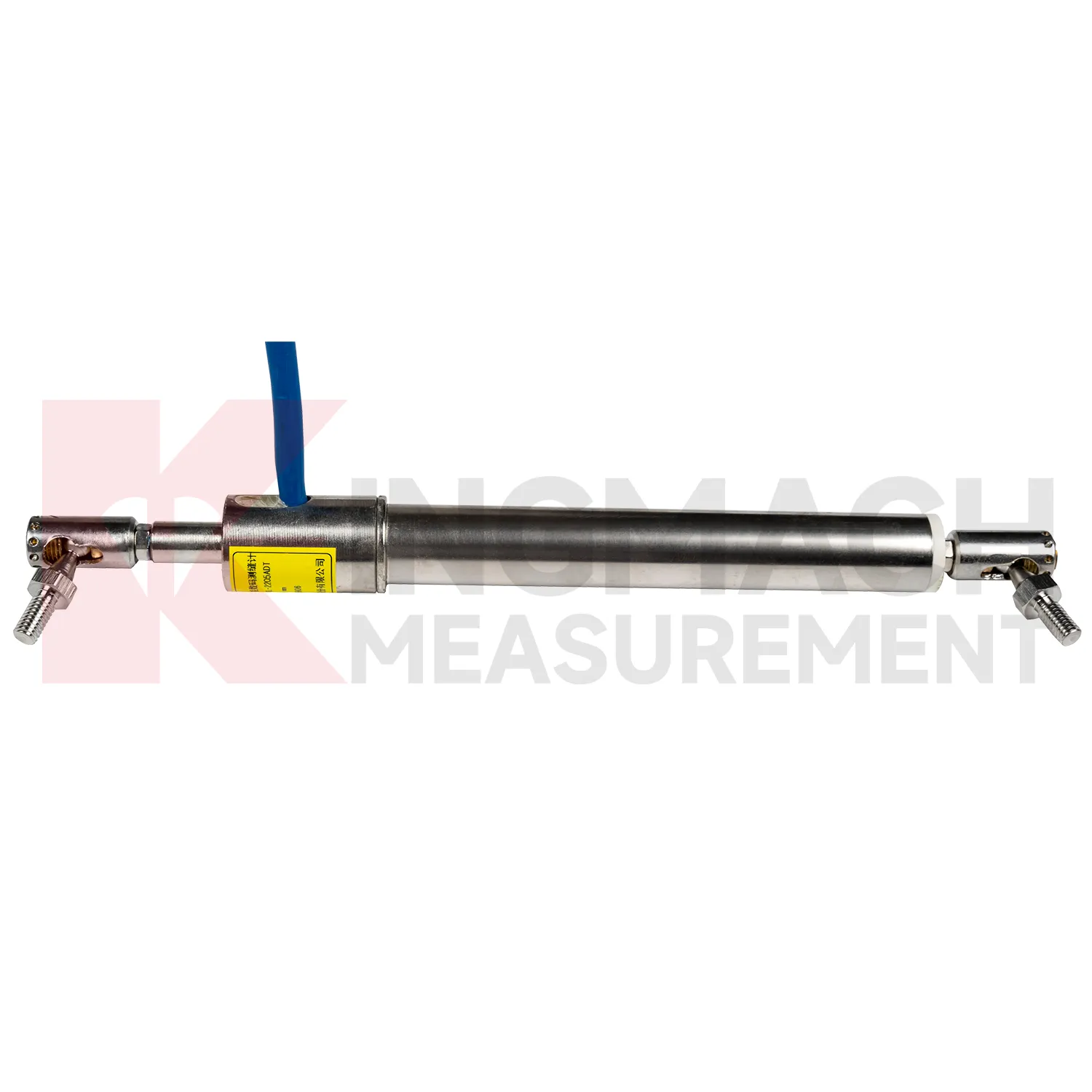
For automated Smart Single-Point /Bedrock Displacement Meter, maintenance must include the whole data chain. A sensor can be accurate while the monitoring record is wrong because of channel swaps, wrong units, missed zero values, loose terminals, damaged power supply, or unstable communication. Kingmach displacement products may connect to comprehensive testers, bus modules, automatic acquisition systems, RS485 networks, and monitoring platforms. During commissioning, verify each channel by moving the sensor slightly or checking a known displacement point, then record direction, units, baseline, range, and warning values. During service, check whether data gaps match power failures, communication faults, storms, or cabinet maintenance. Keep spare connectors and labels for field work. When replacing a sensor, do not simply reuse the old zero value; record the replacement time, new model, serial number, range, calibration coefficient, and first stable reading. Keep the installation photo, point number, zero value, and expected movement direction with the commissioning record for later review. If a reading changes after maintenance work, inspect the base, anchor, cable, and cabinet before assuming the structure itself has moved.
Kingmach Smart Single-Point /Bedrock Displacement Meter
Smart Single-Point /Bedrock Displacement Meter are often the quiet part of a monitoring system, but they decide whether deformation is understood as a trend or discovered as damage. Kingmach displacement products can be placed at expansion joints, cracks, foundation pits, slope faces, tunnel surrounding rock, dam bedrock, railway subgrades, high-formwork supports, and equipment stroke positions. Many models support digital transmission, anti-interference performance, waterproof sealing, and connection to automatic acquisition systems. The JMDL-21XXAT general-purpose meter records relative displacement and expansion joint movement with 50 mm or 100 mm ranges and 0.01 mm resolution. The JMDL-31XXAT multipoint meter can be installed by drilling and grouting, with anchor heads at different depths. When readings are reviewed with settlement, tilt, rainfall, pore pressure, or construction logs, engineers can see whether movement is seasonal, load-related, excavation-driven, or moving toward a control limit. The point should be named on the drawing, linked with its cable route, and checked against the expected movement direction before the first automatic reading is accepted. For daily review, the reading should be compared with nearby points, recent weather, site operations, and any loading event that could explain the movement.
FAQ
Q: How should Smart Single-Point /Bedrock Displacement Meter be maintained?
A: Inspect brackets, anchors, measuring rods, cable routes, connectors, waterproof seals, cabinet wiring, grounding, and channel labels at planned intervals.
Q: What signs suggest a data problem rather than real movement?
A: Flat lines, sudden jumps after cabinet work, repeated communication gaps, impossible readings, or disagreement with nearby points may indicate sensor, cable, power, or channel issues.
Q: Can temperature affect displacement data?
A: Yes. Some products include low temperature sensitivity, differential measurement, or temperature records, but temperature should still be reviewed with the movement trend.
Q: Should zero values be reset often?
A: No. Resetting without a field reason can hide structural movement. Record the event, reason, and new baseline if a reset is required.
Q: What makes a displacement record useful during handover?
A: A useful record includes model, range, serial number, calibration coefficient, baseline, installation photo, point location, latest trend, warning level, and maintenance notes.
Reviews
Matthew Garcia
Instrumentation cables are durable and perform well even in harsh environments. Will definitely order again.
Daniel Brown
Excellent environmental monitoring sensors. The data is consistent, and the system integrates smoothly with our existing setup.
Latest Inquiries
To protect the privacy of our buyers, only public service email domains like Gmail, Yahoo, and MSN will be displayed. Additionally, only a limited portion of the inquiry content will be shown.
Mia***@gmail.comNetherlands
Dear team, we are interested in your readouts & data loggers compatible with multiple sensors. Do yo...
Evelyn***@gmail.comSouth Africa
Hi, we are a contractor working on tunnel construction and need settlement sensors and displacement ...
Related product categories
- Flexible Displacement Meter
- Multi-point Displacement Meter
- Single-point Displacement Meter
- Smart General-Purpose Displacement Meter
- Smart Flexible Displacement Meter
- Magnetostrictive Displacement Meter
- Smart Formwork Displacement / Steel Wire Displacement Meter
- Smart Multipoint Displacement Meter
- Smart Single-Point /Bedrock Displacement Meter
- Omnidirectional Displacement Meter
- displacement transducer
- displacement transducers