
 EN
EN
 ar
ar bg
bg hr
hr cs
cs da
da nl
nl fi
fi fr
fr de
de el
el hi
hi it
it ko
ko no
no pl
pl pt
pt ro
ro ru
ru es
es sv
sv tl
tl iw
iw id
id lv
lv lt
lt sr
sr sk
sk sl
sl uk
uk vi
vi et
et hu
hu th
th tr
tr fa
fa ms
ms hy
hy ka
ka ur
ur bn
bn mn
mn ta
ta kk
kk uz
uz ku
ku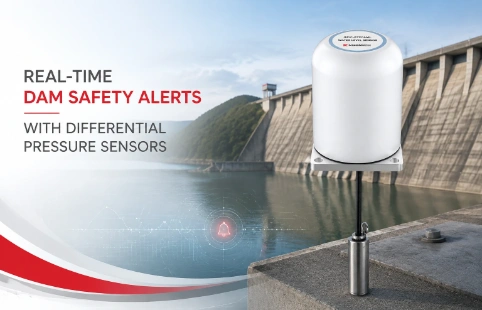
Real-Time Dam Safety Alerts with Differential Pressure Water Level Sensors
Key Takeaways An alert chain needs more than a sensor: define field in...

Cable Displacement Sensors for Geotechnical Monitoring
Cable displacement sensors translate physical movement into electrical signals using a spring-loaded drum and rotary encoder. In the field, they track crack opening, joint movement, and settlement in concrete dams, tunnels, and retaining walls. At Kingmach, we’ve built these sensors for over a decade, focusing on designs that handle wet, dusty conditions without drift. Our range covers single-axis and multi-point versions, with outputs from 4-20 mA to RS485. Engineers often ask about long-term stability—our units use steel wire ropes and potted electronics to minimize corrosion. Installation is straightforward: mount the sensor to a fixed point, attach the wire to the moving part, and tension it. That’s it. We’ve shipped to projects in 30+ countries, with customization for odd mounting brackets or extended ranges up to 10 meters. Here’s a closer look at the technical details that make these sensors reliable.
Technical Detail
A cable displacement sensor works by winding a flexible steel wire around a precision drum coupled to an encoder. As the wire extends or retracts, the encoder outputs a proportional signal—typically 0-5V, 4-20mA, or digital pulses. Kingmach’s version uses a brushless potentiometer or optical encoder to extend life beyond 10 million cycles. The body is IP67-rated aluminum or stainless steel, sealed against moisture and dust. In a landslide monitoring setup, you embed one end in a stable anchor and attach the wire to a surface point; as the slope creeps, the sensor tracks sub-millimeter shifts. Multipoint systems daisy-chain several units on a single cable, cutting wiring costs. We often customize the measuring range from 50mm up to 10,000mm, and the wire material—for high-corrosion environments, we switch from stainless steel to Teflon-coated cable. Output options include RS485 Modbus for direct PLC integration. Our quality checks run each unit through a 100-hour burn-in test, but we don’t claim zero defects—just that we catch issues before shipping. Compared to rod-type transducers, cable sensors tolerate misalignment and off-axis movement, so installation is less fussy. We stock standard 200mm and 500mm models; specials ship in about two weeks. Support engineers review your installation drawings before you order.
News
Key Takeaways An alert chain needs more than a sensor: define field in...
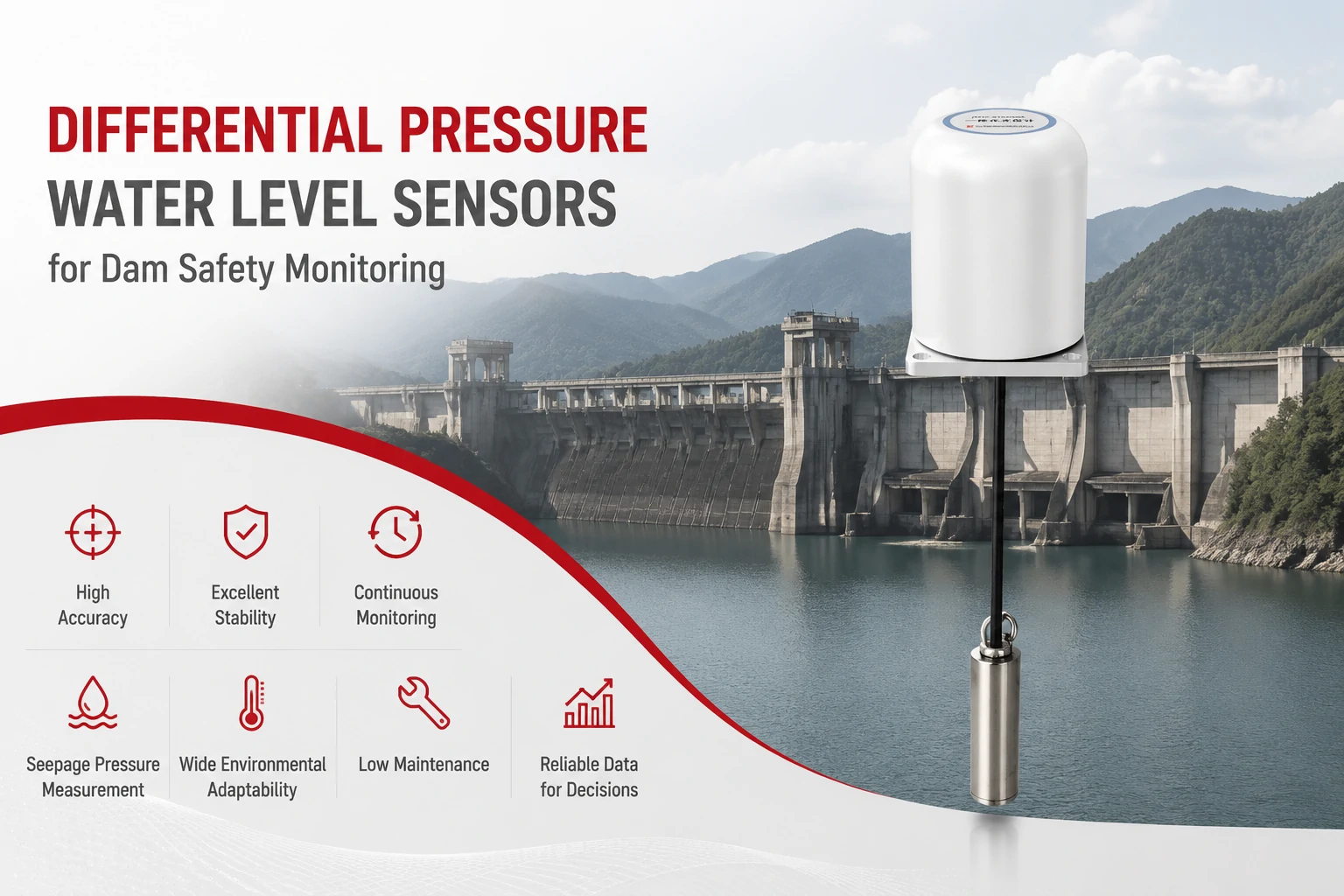
Key Takeaways The strongest fit is usually a confined, submerged, or s...
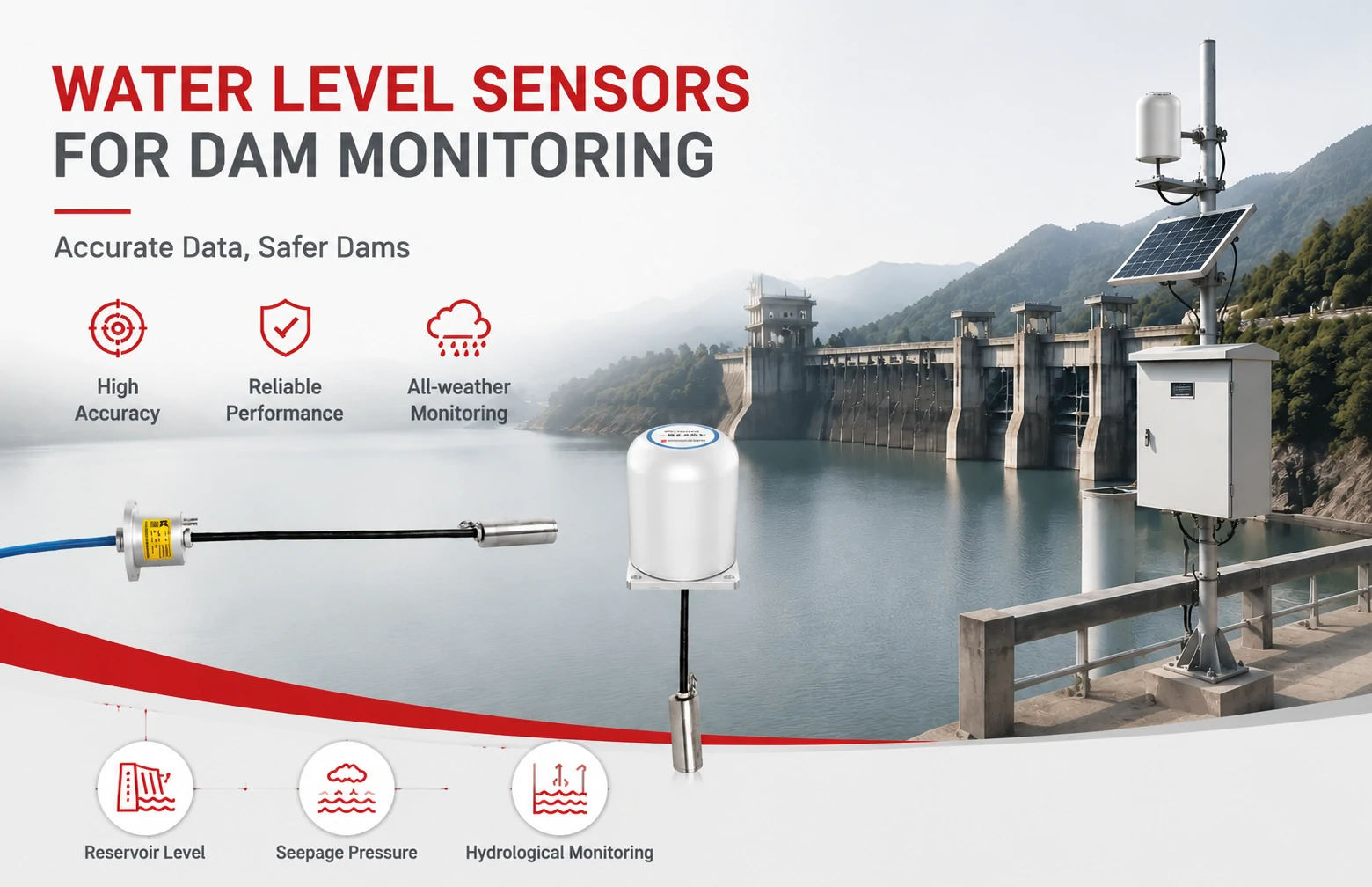
Kingmach Water Level Sensors for Dam Monitoring: A Buyer's Guide to Differential Pre...
Products
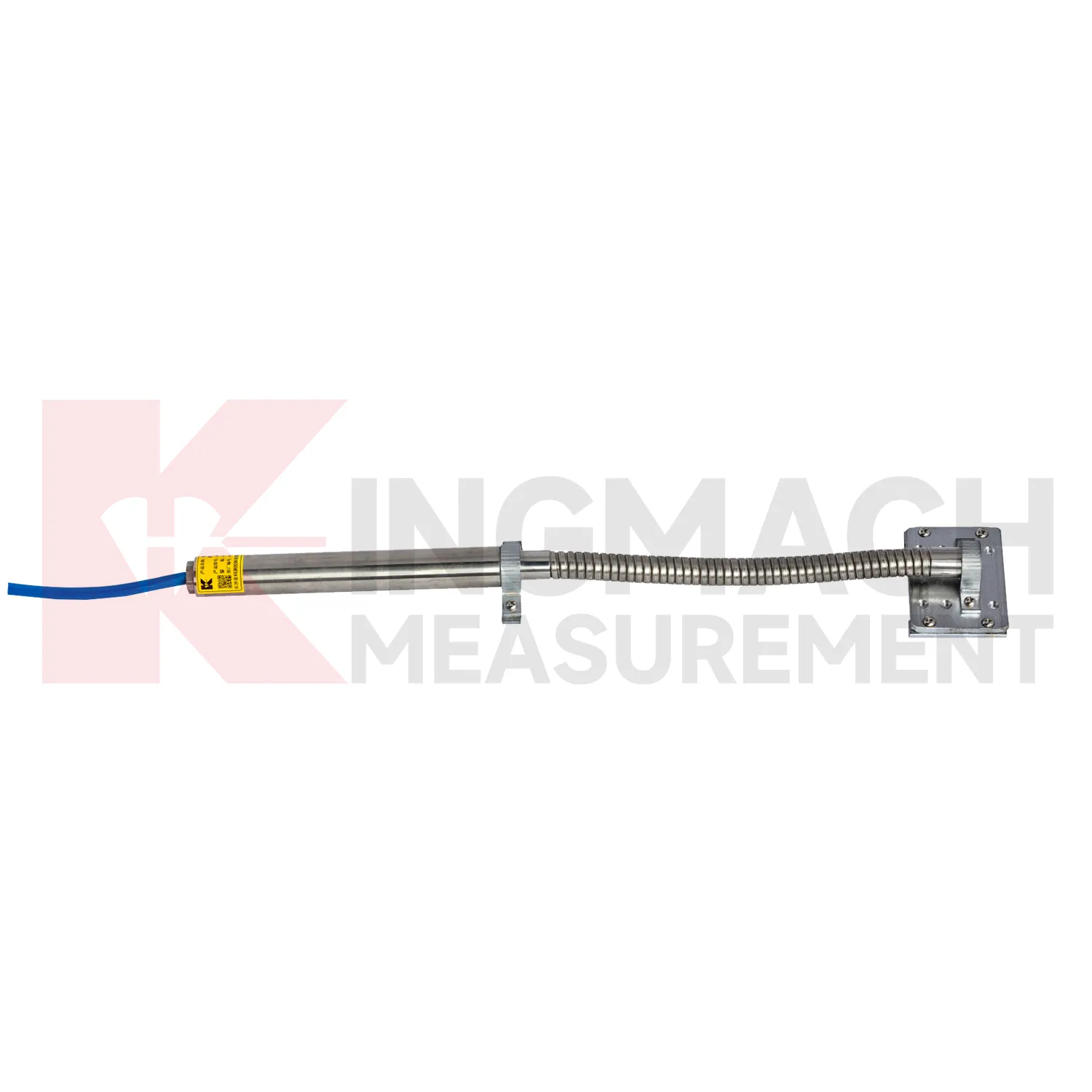
Smart Flexible Displacement Meter JMDL-24XXAT
View Details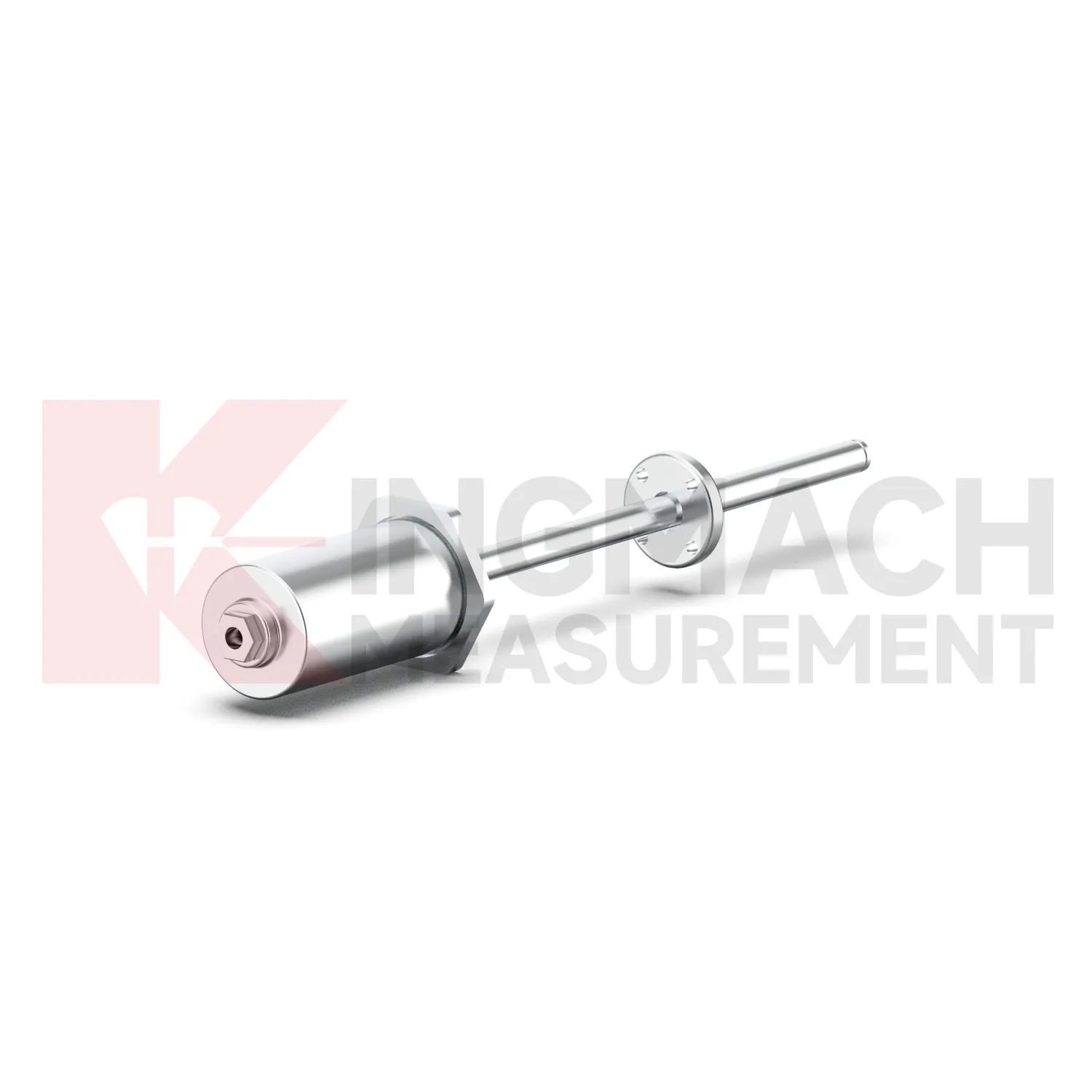
Magnetostrictive Displacement Meter JMCW-21XXADT
View DetailsFAQ
Cable sensors handle off-axis movement and misalignment better. If the measurement point moves in a non-linear path or the mounting points are not perfectly aligned, a cable sensor is less likely to bind or give false readings. Rod-type transducers are more rigid and suit straight-line measurements with stable alignment.
With an IP67 body and sealed cable gland, they manage temporary submersion and high humidity. For continuous underwater use, we add double O-ring seals and a hydrophobic vent. Let us know the depth and duration so we can confirm compatibility.
The wire is made of high-tensile stainless steel, usually rated for 10–20 kg pull. In a snap, the internal spring retracts the remaining wire, and the sensor likely goes to a fault state (e.g., reading drops to zero or hold). Our designs include a guide ring to contain a broken wire and prevent damage to the drum. Replacement wires are field-installable.
We don’t make the sensor itself wireless, but we pair it with a separate LoRa or NB-IoT node. The sensor output (e.g., 4-20mA or RS485) feeds directly into the node. It’s a modular approach—cheaper to replace parts and easier to maintain than a fully integrated wireless sensor.
We recommend a yearly check against a known displacement standard, especially on critical structures. The encoder-based models drift very little (<0.01%/°C), so many projects go 2–3 years without significant deviation. Always test after the wire is replaced or if the unit has taken a physical hit.
Share your product type, target capacity, and application requirements. Our team can review the details and recommend a practical next step.
If you are interested in our products or want to become our partner.
Please leave your contact information, our team will contact you as soon as possible.
Mail: [email protected]
Contact Us: +8613808434127
Address: No. 188 Tongzipo West Rd, Changsha, Hunan, China